✨ VS Analyses · VacuumSpain comparison technology. Explanation created with AI from verified technical data.
Introduction
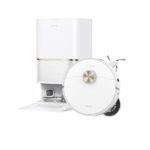
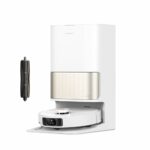
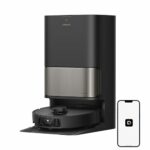
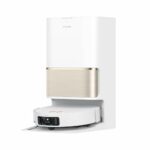
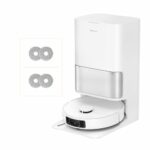
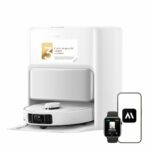
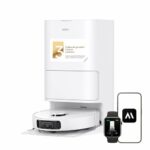
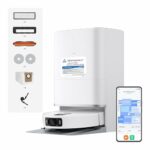
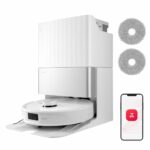
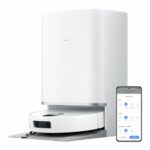
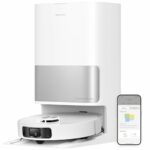
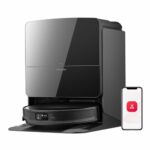
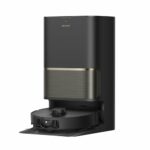
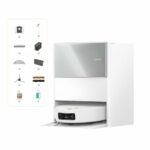
Dreame has built a solid reputation in the robotic vacuum market, and these three models showcase the brand's evolution in cleaning technology. The L10s Ultra Gen 3 arrived in November 2025 as the latest iteration of the L10s series, whilst the L40 Ultra launched in 2024 and the L40s Pro Ultra followed in 2025. All three feature multifunction bases with mop washing and drying capabilities, making them suitable for households that demand both vacuuming and mopping performance.
The L10s Ultra Gen 3 represents Dreame's effort to deliver powerful suction in a slightly more compact package. The L40 Ultra and L40s Pro Ultra, meanwhile, sit in a higher tier with enhanced artificial intelligence features and more sophisticated obstacle detection. For homes with mixed flooring, pets, or complex layouts, understanding these differences becomes essential when choosing which model deserves a place in your cleaning routine.
Suction Power and Brushing
The Dreame L10s Ultra Gen 3 delivers 25,000 Pa of suction, the highest figure among these three robots. This raw power translates into effective debris pickup on hard floors and carpets, particularly useful in homes with fine dust or larger particles. The L40 Ultra, despite its advanced features elsewhere, offers 11,000 Pa, which is considerably less. The L40s Pro Ultra sits in the middle with 19,000 Pa, providing a balance between suction strength and other intelligent functions.
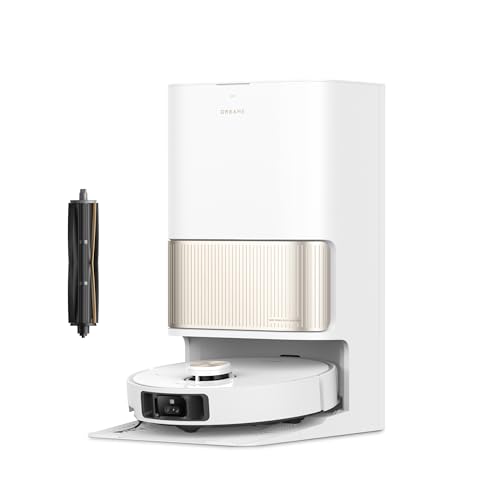
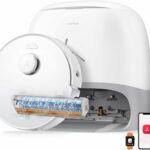
Brush design differs notably. The L10s Ultra Gen 3 uses a simplified main brush, which may require more frequent maintenance if you have long hair or pets. The L40 Ultra incorporates TriCut 3.0, combining bristles with cutting blades to reduce hair tangles. The L40s Pro Ultra takes a different approach with a dual brush system, which can help prevent hair from wrapping around a single roller.
The L40 Ultra and L40s Pro Ultra can lift their main brushes when mopping, preventing wet carpets and keeping the brush cleaner during floor washing. The L10s Ultra Gen 3 lacks this feature, so you'll need to manage carpet zones more carefully in the app. All three models have extendable side brushes for better corner coverage, but only the L40 models can raise their side brushes during mopping and feature anti-tangle technology on the side brush itself.
Mopping Performance
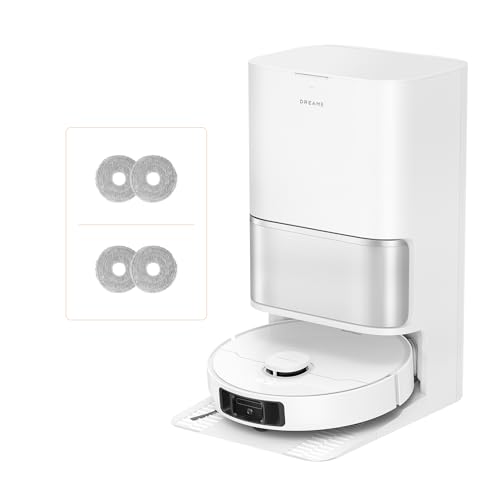
All three robots use dual rotating mopads that extend to reach edges, supported by Roboswing technology to nudge mops slightly under furniture edges. Each model lifts its mops 10.5 mm when encountering carpets or rugs, enough clearance for low-pile surfaces. The multifunction bases wash mops with hot water and dry them with warm air, helping to prevent unpleasant odours and bacterial growth.
The L40 Ultra and L40s Pro Ultra can automatically detach their mops at the base, allowing the robot to vacuum without dragging damp pads across the floor. This proves handy when you want a pure vacuuming session without manually removing the mops. The L10s Ultra Gen 3 does not offer this convenience, so you'll need to remove the mops yourself if you prefer vacuuming alone.
Dirt detection sets the L40 models apart. Both the L40 Ultra and L40s Pro Ultra can identify dirty areas on the floor and soiled mops, prompting the robot to make additional cleaning passes or return to the base for mop washing. The L10s Ultra Gen 3 follows a more traditional cleaning pattern without this adaptive behaviour. In practice, this means the L40 models can handle unexpected spills or muddy paw prints more effectively, whilst the L10s Ultra Gen 3 relies on scheduled routines and manual intervention.
Navigation and Intelligence
Each model uses a LiDAR turret for mapping and navigation, ensuring accurate room layouts and efficient cleaning paths. The L10s Ultra Gen 3 includes a frontal 3D laser sensor to avoid obstacles, along with recognition for pets, but it lacks a camera. This setup works well for basic obstacle avoidance, though it cannot visually identify specific objects or monitor your home remotely.
The L40 Ultra and L40s Pro Ultra integrate dual AI cameras, which significantly expand their capabilities. The L40 Ultra recognises up to 100 different obstacles, whilst the L40s Pro Ultra extends this to 180 objects. Both models detect curtains, preventing the robot from becoming tangled, and they feature LED lighting for night vision. Remote camera access allows you to check on your home through the robot's perspective, which can be reassuring if you want to monitor pets or verify that cleaning has finished.
AI-driven cleaning appears across all three robots through CleanGenius technology, but spot recognition works only on the L40 models. This means the L40 Ultra and L40s Pro Ultra can identify stains and adjust cleaning intensity accordingly, whilst the L10s Ultra Gen 3 applies uniform cleaning across all areas.
Battery Life and Coverage
All three models share a 5,200 mAh battery, but runtime varies due to different power demands. The L10s Ultra Gen 3 runs for 231 minutes, the longest among the trio, likely because its simplified sensors and lack of cameras reduce energy consumption. The L40 Ultra manages 194 minutes, whilst the L40s Pro Ultra achieves 220 minutes. For larger homes, the extra runtime of the L10s Ultra Gen 3 might reduce the number of recharging trips during a full clean.
Smart Features
Obstacle climbing differs slightly. The L10s Ultra Gen 3 and L40 Ultra handle obstacles up to 20 mm and 22 mm respectively, suitable for door thresholds and low transitions between rooms. The L40s Pro Ultra can manage simple stairs, a notable advantage if your home has split levels or sunken living areas.
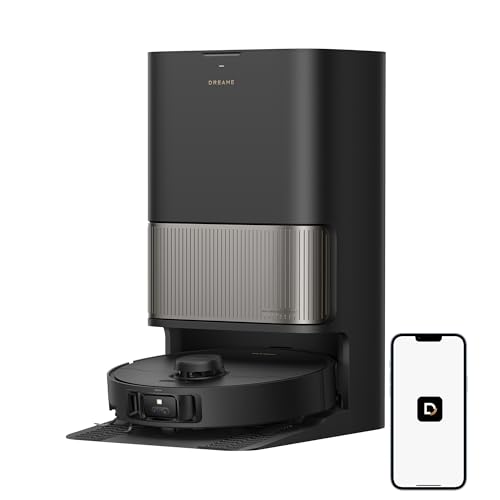
The L40 Ultra and L40s Pro Ultra include a built-in voice assistant, allowing you to control the robot without relying on Alexa or Google Home. The L10s Ultra Gen 3 works with external voice assistants but does not have its own onboard assistant. This difference matters if you prefer a standalone solution or if you don't use third-party smart home ecosystems.
Multifunction Base
Each robot benefits from a multifunction base that empties the dustbin, washes mops with hot water, and dries them with warm air. The L10s Ultra Gen 3 and L40s Pro Ultra feature third-generation self-cleaning for the washing tray, whilst the L40 Ultra uses a second-generation system. In practice, this means the newer models maintain cleaner base components with less manual intervention.
Dust bag capacity stands at 3.2 litres across all three, with 4.5 litres for clean water and 4 litres for dirty water. A detergent dispenser is included in each base, releasing cleaning solution during mop washing. None of the models come with built-in plumbing connections, but optional kits are available for purchase separately if you want to automate water refills and drainage. This accessory isn't a major deciding factor, but it can reduce maintenance frequency in busy households.
Size and Fit
The L10s Ultra Gen 3 measures 97 mm in height, making it the shortest of the three and better suited for slipping under low furniture like sofas or beds. The L40 Ultra and L40s Pro Ultra both stand at 103.8 mm, which may prevent them from accessing tighter spaces. All three share a 350 mm diameter, typical for robots in this category.
Base dimensions are nearly identical, with widths of 340 mm and depths around 456–457 mm. Heights range from 590 mm on the L10s Ultra Gen 3 to 590.5 mm on the L40 models, a negligible difference. You'll need similar floor space for any of these bases, so the choice comes down to features rather than footprint.
Real-World Use
The Dreame L10s Ultra Gen 3 suits homes where powerful suction and extended battery life take priority. Its lower profile helps it reach under furniture that the taller L40 models cannot access. The simplified brush system requires more attention if you have pets with long hair, and the absence of camera-based intelligence means you'll rely on LiDAR mapping and manual zone management. For straightforward layouts without excessive clutter, this model delivers strong vacuuming performance and reliable mopping through its multifunction base.
The L40 Ultra excels in homes with varied obstacles and users who value visual monitoring. Dual cameras and recognition of up to 100 objects reduce the risk of the robot getting stuck or dragging items across the floor. Automatic mop removal and dirt detection make it more adaptable to changing conditions, such as spills or muddy footprints. The lower suction compared to the L10s Ultra Gen 3 may be less noticeable on hard floors, but it could struggle with deeply embedded dirt in carpets. The built-in voice assistant and remote camera access add convenience if you prefer controlling the robot without external smart home devices.
The L40s Pro Ultra combines many of the L40 Ultra's intelligent features with higher suction and the ability to climb simple stairs. Recognising 180 obstacles provides even greater confidence in cluttered environments, and the third-generation base self-cleaning matches the L10s Ultra Gen 3 for reduced maintenance. This model appeals to households with split-level floors or those who want the most comprehensive object recognition available among these three robots.
Conclusion: Which One to Choose?
Choose the Dreame L10s Ultra Gen 3 if you prioritise maximum suction power and the longest battery life. Its lower height makes it ideal for homes with low-clearance furniture, and the simplified design keeps costs down whilst still offering hot water mop washing and warm air drying. This model works well for users who don't need camera-based monitoring or automatic mop removal, and who are comfortable managing carpet zones manually.
Choose the Dreame L40 Ultra if visual intelligence and remote monitoring matter to you. The dual cameras, LED night vision, and recognition of 100 obstacles make it suitable for homes with pets, children's toys, or complex layouts. Automatic mop removal and dirt detection add flexibility, allowing the robot to adapt to unexpected messes. The built-in voice assistant simplifies control if you prefer not to rely on third-party ecosystems. This model suits medium-sized homes where suction power is adequate but advanced AI features provide peace of mind.
Choose the Dreame L40s Pro Ultra if you need the most advanced obstacle recognition and the ability to handle simple stairs. With detection of 180 objects, this robot navigates cluttered spaces with greater confidence than the L40 Ultra. The higher suction compared to the L40 Ultra improves performance on carpets and embedded dirt, whilst retaining all the intelligent features such as dual cameras, dirt detection, and automatic mop removal. This model fits homes with split-level floors, extensive furniture, or users who want the best balance of power and intelligence among these three options.