✨ VS Analyses · VacuumSpain comparison technology. Explanation created with AI from verified technical data.
```html
Introduction
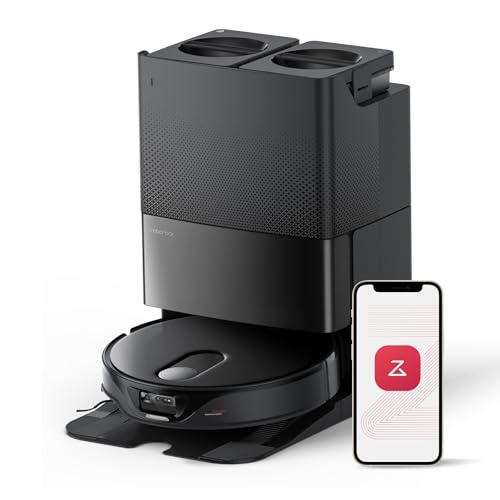
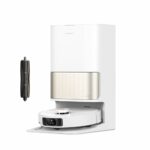
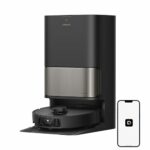
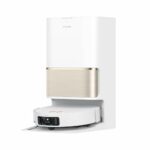
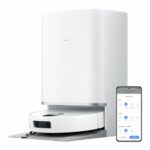
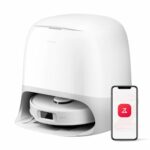
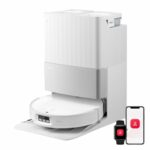
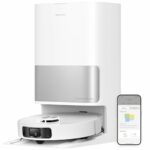
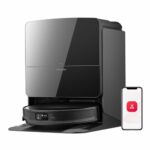
In the competitive robot vacuum market of 2024, two models stand out for offering advanced technology and autonomous cleaning functions: the Dreame L10s Ultra Gen 2 and the Roborock Qrevo Slim. Both robot vacuums belong to the mid-to-high range of their respective brands and promise a complete cleaning experience with vacuuming and mopping capabilities.
This robot vacuum comparison analyses in detail the technical specifications, smart functions and key differences between the Dreame robot vacuum and the Roborock robot vacuum to help you decide which is better according to your specific needs. Both the Dreame L10s Ultra Gen 2 and the Roborock Qrevo Slim integrate multifunctional cleaning bases and intelligent navigation systems, but present important differences that may tip the balance depending on the type of home and user expectations.
Power and Suction
In terms of suction power, the Roborock Qrevo Slim leads this category with 11000 Pa compared to the 10000 Pa Turbo Force of the Dreame L10s Ultra Gen 2. This difference of 1000 Pa can translate into better capacity to pick up embedded dirt in carpets or heavier debris, although both models offer more than sufficient power for most homes.
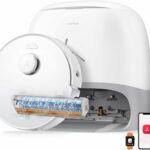
A significant difference is found in the type of main brush. The Dreame L10s Ultra Gen 2 incorporates a simple silicone brush, whilst the Roborock Qrevo Slim opts for a dual silicone brush system. This dual design of the Roborock allows for broader and more efficient coverage in a single pass, especially on hard floors, improving the capacity to sweep fine particles and dust.
Both robot vacuums feature anti-tangle technology in their silicone brushes, which is especially useful in homes with pets or people with long hair, minimising necessary maintenance.
Mopping
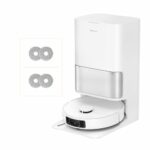
In the mopping section, both models integrate mop systems that allow combining vacuuming and mopping in a single pass. Both the Dreame L10s Ultra Gen 2 and the Roborock Qrevo Slim include cleaning bases that wash the mops automatically after each session, ensuring that clean mops are always used during mopping.
The Roborock Qrevo Slim incorporates an additional advantage in this aspect: it features self-cleaning of the washing tray through the 1.0 watertight system, which keeps the base itself more hygienic and reduces the need for manual cleaning by the user. The Dreame L10s Ultra Gen 2 does not have this function, which means that the washing tray will require periodic manual cleaning.
Both robot vacuums allow adjusting the mopping intensity according to the type of floor and level of dirt, offering versatility for different surfaces in the home.
Navigation System
The two models analysed in this robot vacuum comparison incorporate intelligent cleaning systems based on artificial intelligence. The Dreame L10s Ultra Gen 2 uses CleanGenius 2.0 technology, whilst the Roborock Qrevo Slim employs SmartPlan 1.0. Both systems allow mapping the home, creating customised cleaning zones and establishing automatic routines.
These robot vacuums are capable of detecting the type of surface and automatically adjusting suction power and water flow as needed, optimising both cleaning efficiency and energy consumption. However, neither of the two models includes AI stain recognition, so they will not automatically intensify cleaning in especially dirty areas.
The intelligent navigation of both allows avoiding obstacles, creating detailed maps of multiple floors and scheduling cleaning by specific rooms through their respective mobile applications.
Autonomy and Battery
Both robot vacuums feature 5200 mAh batteries, but present notable differences in autonomy. The Dreame L10s Ultra Gen 2 offers up to 240 minutes of continuous operation, widely surpassing the 180 minutes of the Roborock Qrevo Slim. This difference of an additional hour makes the Dreame the best option for large homes or for users who prefer complete cleaning without interruptions.
With 240 minutes of autonomy, the Dreame robot vacuum can cover approximately between 250 and 300 square metres on a single charge, whilst the Roborock Qrevo Slim reaches around 180-220 square metres. Both models return automatically to the base when the battery runs out and can resume cleaning where they left off once recharged.
Smart Functions
In terms of obstacle-climbing capability, both the Dreame L10s Ultra Gen 2 and the Roborock Qrevo Slim can overcome height differences of up to 20 mm. This feature allows them to move seamlessly over medium-thickness carpets, door thresholds and small floor irregularities, guaranteeing continuous cleaning between different rooms.
Neither of the two models includes a robotic arm nor its own voice assistant, so in this section they are on equal footing. Both are compatible with external voice assistants such as Alexa or Google Assistant through their mobile applications.
Multifunctional Cleaning Base
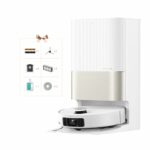
Both robot vacuums include multifunctional cleaning bases that automate much of the maintenance. These bases perform automatic dust emptying, mop washing and refilling of the robot's water tank.
The Dreame L10s Ultra Gen 2 stands out for its larger dust bag capacity of 300 ml compared to the 220 ml of the Roborock Qrevo Slim, which translates into fewer bag changes over time. As for water tanks, the Dreame also has an advantage with 80 ml compared to the 72 ml of the Roborock, although this difference is less significant in daily use.
As mentioned earlier, the main advantage of the Roborock Qrevo Slim in this section is its 1.0 watertight washing tray self-cleaning system, which keeps the base more hygienic without manual intervention. Neither of the two models includes an integrated detergent tank, ultraviolet disinfection nor direct connection to water pipes and drainage as standard.
Dimensions
The Roborock Qrevo Slim lives up to its name with a height of just 82 mm, making it one of the lowest robot vacuums on the market. This feature allows it to access under furniture, sofas and beds where the Dreame L10s Ultra Gen 2, with its 97 mm height, cannot reach. This difference of 15 mm can be decisive in homes with low furniture.
In terms of diameter, both models are practically identical: 350 mm for the Dreame compared to 353 mm for the Roborock. This similarity means that both will have comparable capabilities to navigate between furniture and access tight spaces.
The compact design of the Roborock Qrevo Slim makes it the most versatile option for homes with low furniture, whilst the Dreame maintains standard dimensions that are sufficient for most homes.
Conclusion: Which to Choose?
After analysing this robot vacuum comparison, the choice between the Dreame L10s Ultra Gen 2 and the Roborock Qrevo Slim will depend on your specific priorities.
Choose the Dreame L10s Ultra Gen 2 if you're looking for:
- Greater autonomy for large homes (240 minutes compared to 180)
- Greater dust storage capacity (300 ml compared to 220 ml)
- A robot vacuum with excellent value for money
- Slightly larger water tanks for extended mopping sessions
The Roborock Qrevo Slim is ideal for:
- Homes with low furniture where the 82 mm height makes the difference
- Users who value maximum suction power (11000 Pa)
- Those who prefer the dual silicone brush system for greater efficiency
- People seeking lower maintenance thanks to the washing tray self-cleaning
- Medium-sized homes where 180 minutes of autonomy is sufficient
In conclusion, the best robot vacuum 2025 between these two models will be the Dreame L10s Ultra Gen 2 for those who prioritise autonomy and capacity, whilst the Roborock Qrevo Slim will stand out for users who need an ultra-slim robot with maximum suction power and lower base maintenance.
```