✨ VS Analyses · VacuumSpain comparison technology. Explanation created with AI from verified technical data.
Introduction
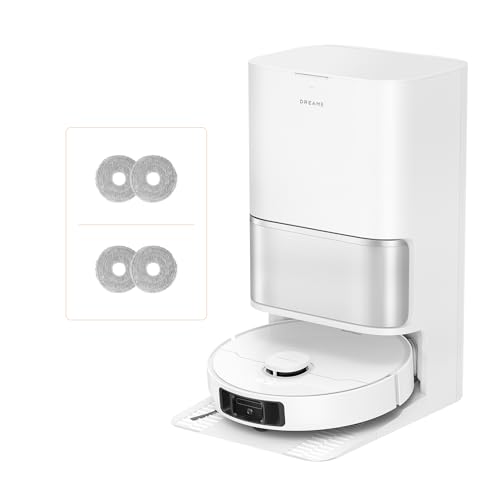
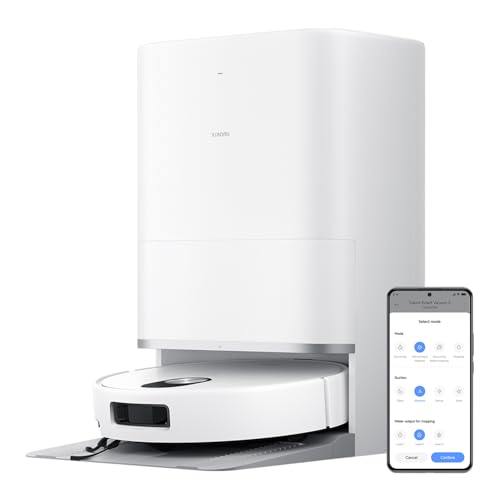
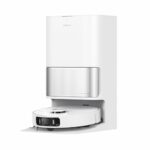
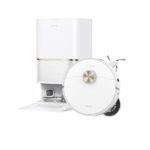
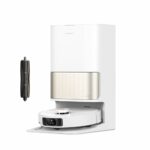
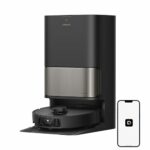
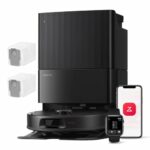
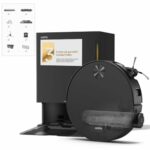
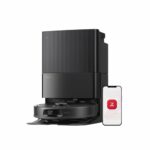
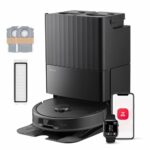
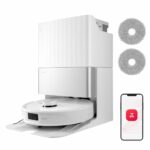
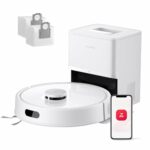
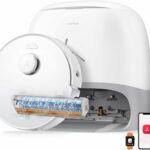
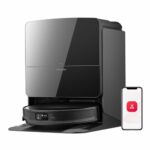
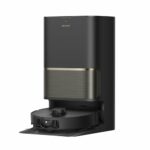
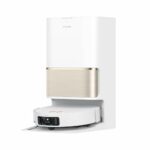
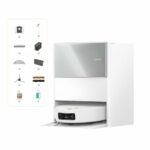
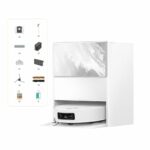
Dreame has launched two consecutive generations of its L10s Ultra series that now compete with the Xiaomi Robot Vacuum 5, a model arriving on the market in 2025 with interesting propositions. The Dreame L10s Ultra Gen 2 appeared in 2024 as a complete robot with a multifunctional base, whilst the Gen 3 landed in November 2025 with significant improvements in power and some design details. Xiaomi, a manufacturer that shares technology with Dreame in many cases, presents its Robot Vacuum 5 as an alternative with its own characteristics worth analysing.
All three units are designed for users seeking total autonomy in cleaning, with bases that wash and dry the mops automatically. The choice between them will depend on the size of the home, the presence of pets and the available budget.
Power and Suction
The most striking difference between these models lies in suction power. The Dreame L10s Ultra Gen 2 offers 10,000 Pa, a decent figure for most homes but clearly surpassed by its competitors. The Gen 3 multiplies that power by 2.5, reaching 25,000 Pa, making it one of the most powerful robots on the market. The Xiaomi Robot Vacuum 5 sits at an intermediate point with 20,000 Pa, sufficient for medium-pile carpets and floors with ingrained dirt.
Regarding the brushing system, both Dreame generations mount the SimpliCut brush, designed to reduce hair tangles. The Xiaomi opts for the TriCut 3.0, which combines bristles with blades to cut long hairs. This difference can be especially noticeable in homes with long-haired pets.
The extendable side brush appears in the Gen 3 and the Xiaomi, allowing better sweeping of corners by projecting outwards. The Gen 2 lacks this function. Additionally, only the Xiaomi incorporates anti-tangle technology in the side brush, a useful detail to avoid frequent maintenance.
Mopping
All three robots use a dual rotating mop system, the current standard for effective mopping. All include mop extension to better reach edges, although the Dreame models add the Roboswing system, which performs a lateral movement to get the mop under furniture and overhangs. The Xiaomi does not specify this swinging function.
Mop lifting marks a practical difference. The Xiaomi Robot Vacuum 5 raises them up to 15 mm, whilst both Dreame models stay at 10.5 mm. Those additional 4.5 mm can prove decisive for passing over medium-pile carpets without wetting them.
All three bases wash the mops with hot water, guaranteeing better hygiene than cold water systems. Drying is also performed with hot air in all cases, essential to prevent bad odours and bacteria. However, the Gen 3 incorporates third-generation tray self-cleaning, an improvement that reduces manual maintenance. The Gen 2 and the Xiaomi do not include this function.
None of the three models automatically removes the mops at the base when only vacuuming is desired, nor do they detect dirt on the mops or floor to re-clean particularly dirty areas.
Navigation System
The Dreame L10s Ultra Gen 2 and Gen 3 use a traditional LiDAR turret to map the home. The Xiaomi Robot Vacuum 5 mounts a retractable LiDAR, which hides when not in use, reducing the robot's total height to 88 mm compared to the 97 mm of the Dreame models. This difference of nearly 1 cm can be determining for accessing under low furniture.
All three units feature a front 3D laser sensor to avoid obstacles, but none incorporates a camera with artificial intelligence. In practice, this means they recognise objects through sensors but without advanced visual identification.
Both Dreame models recognise pets, a useful function for adjusting routes and avoiding areas where animals rest. The Xiaomi does not include this specific recognition. None detect curtains or offer remote camera access, functions reserved for higher ranges.
All integrate intelligent cleaning with AI (CleanGenius in the Dreame models), which optimises routes and adjusts parameters according to the type of floor detected.
Autonomy and Battery
Battery capacity is identical in all three robots: 5,200 mAh. However, declared autonomy varies significantly. The Dreame L10s Ultra Gen 2 reaches 240 minutes, the Gen 3 drops slightly to 231 minutes (probably due to the higher consumption of its more powerful motor), and the Xiaomi stays at 140 minutes.
This difference is considerable. For homes over 150 m², the Xiaomi's autonomy may fall short if the entire surface needs mopping in one go, whilst the Dreame models complete more extensive cleaning sessions without needing intermediate recharges.
Smart Functions
All three models overcome obstacles up to 20 mm in height, sufficient to pass over thick carpets and small level changes. None incorporates a robotic arm or its own voice assistant, although all are compatible with Alexa and Google Home for external voice control.
Multifunctional Cleaning Base
All three bases perform auto-emptying of the dust bin, mop washing with hot water and drying with hot air. The main difference lies in the self-cleaning of the washing tray: the Gen 3 incorporates the third generation of this system, the Xiaomi also includes it, but the Gen 2 does not have it. This means that with the Gen 2, the tray will need manual cleaning more frequently.
Both Dreame models have a detergent tank that is added during mop washing, improving hygiene. The Xiaomi Robot Vacuum 5 does not have this tank, limiting itself to washing with water only.
The dust bag capacity is larger in the Dreame models (3.2 litres) than in the Xiaomi (2.5 litres). As for water tanks, the Dreame models carry 4.5 litres of clean water and 4 litres of dirty water, whilst the Xiaomi reduces to 4 and 3.8 litres respectively. These differences are small but can translate into greater autonomy between emptying and refilling.
Both Dreame models offer an optional plumbing connection kit purchased separately, allowing complete automation of water filling and emptying. The Xiaomi does not have this option.
Dimensions
The diameter is identical in all three: 350 mm. Height marks the difference: 97 mm in both Dreame models compared to 88 mm in the Xiaomi. Those 9 mm less allow the Xiaomi to slip under furniture where the Dreame models cannot enter, something to consider if you have very low sofas or beds.
The bases have similar sizes. The Dreame models measure 340 mm wide, 590-590.5 mm high and 456.7-457 mm deep. The Xiaomi is slightly wider (360 mm) and deeper (470 mm), but somewhat lower (572 mm). In practice, all require similar space.
Real-World User Experience
For large homes, the Dreame L10s Ultra Gen 2 offers the greatest autonomy (240 minutes), sufficient to complete cleaning sessions of over 200 m² without recharging. The Gen 3 slightly reduces that autonomy but compensates with exceptional suction power, ideal if there are carpets or pets that shed a lot of hair. The Xiaomi, with 140 minutes, is more oriented towards medium-sized flats.
If you live with pets, the Xiaomi's TriCut 3.0 brush and its anti-tangle side brush reduce maintenance. However, the Dreame models recognise pets and adjust routes, as well as having a detergent tank that improves mopping hygiene. The 25,000 Pa power of the Gen 3 makes a difference on carpets with ingrained animal hair.
For passing under low furniture, the Xiaomi Robot Vacuum 5 is the best option with its 88 mm height. The Dreame models, at 97 mm, may be left out of certain areas.
Regarding maintenance, the Gen 3 and the Xiaomi simplify the task thanks to tray self-cleaning. The Gen 2 requires more frequent manual cleaning. The absence of a detergent tank in the Xiaomi can also be noticed in the freshness of mopping over the long term.
Conclusion: Which One to Choose?
Choose the Dreame L10s Ultra Gen 2 if you're looking for the greatest possible autonomy (240 minutes), you have a large home and don't need maximum suction power. It's a balanced option with a complete base and detergent tank, although you'll need to clean the tray manually.
Choose the Dreame L10s Ultra Gen 3 if you want the maximum suction power on the market (25,000 Pa), you have demanding carpets or pets that shed a lot of hair. The third-generation tray self-cleaning and the extendable side brush make it the most complete of the three, although its price will be higher.
Choose the Xiaomi Robot Vacuum 5 if you need to pass under very low furniture (88 mm height), you value the anti-tangle brush and prefer superior mop lifting (15 mm). It's a solid alternative for medium-sized flats, although you sacrifice autonomy, pet recognition and a detergent tank.