✨ VS Analyses · VacuumSpain comparison technology. Explanation created with AI from verified technical data.
Introduction
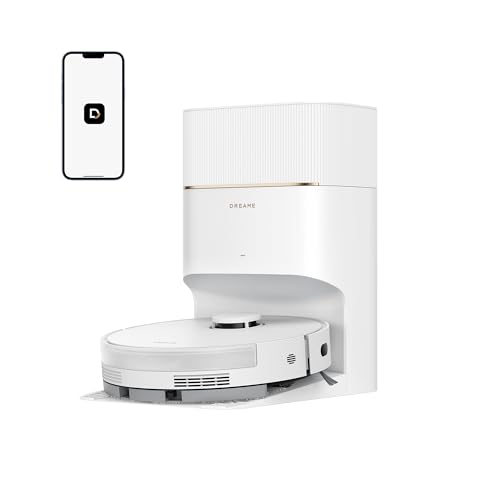
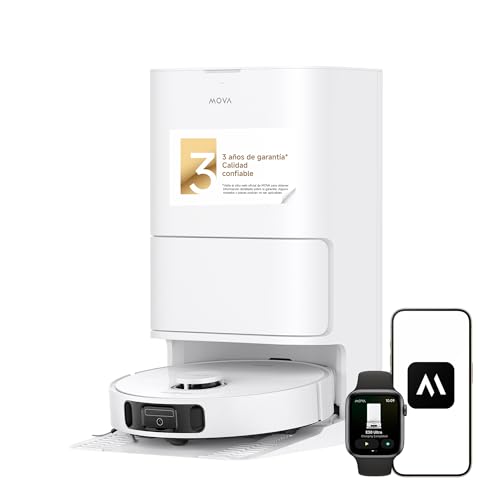
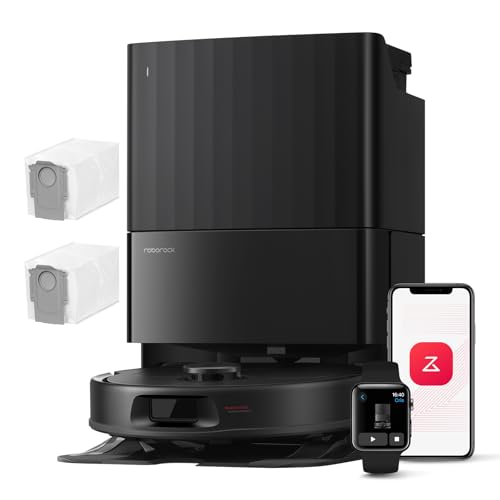
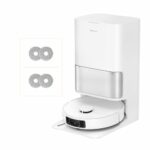
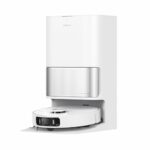
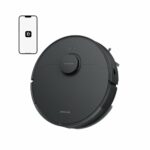
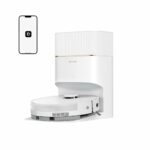
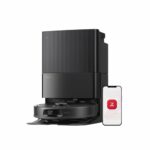
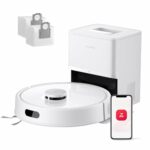
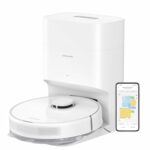
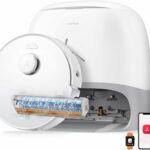
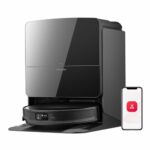
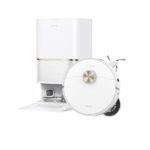
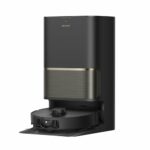
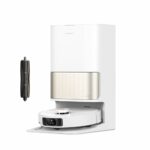
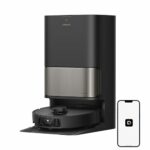
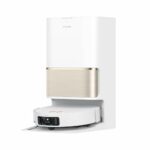
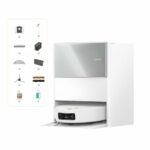
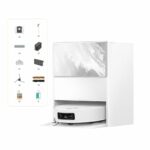
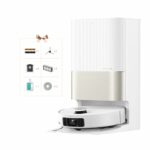
Choosing between the Dreame D20 Pro Plus, the Mova E30 Ultra and the Roborock QV 35A means comparing three distinct approaches to automated cleaning. The Dreame model stands out with its exceptional 13,000 Pa suction power and unique dual brush system, whilst the Mova E30 Ultra offers a complete multifunctional base with mop washing and drying capabilities. The Roborock QV 35A positions itself as a balanced option with proven navigation technology and a compact multifunctional base.
Each model targets different user profiles. The Dreame D20 Pro Plus suits those prioritising raw cleaning power and extended battery life. The Mova E30 Ultra appeals to users wanting minimal maintenance with its automated mop care system. The Roborock option works well for households seeking reliability from an established manufacturer with efficient space management.
Power and Suction
The suction performance creates the most striking divide in this comparison. The Dreame D20 Pro Plus delivers 13,000 Pa, nearly double the Mova E30 Ultra's 7,000 Pa and substantially ahead of the Roborock QV 35A's 8,000 Pa. This difference becomes particularly relevant when dealing with embedded dirt in carpets or textured flooring.
What sets the Dreame apart further is its dual brush main system. The Mova and Roborock both use single brush configurations. In practice, this dual arrangement can capture debris more effectively during each pass, though it may require slightly more maintenance to keep both brushes clear of tangled hair.
The Dreame also incorporates an extendable side brush, allowing it to reach deeper into corners and along skirting boards. Neither the Mova nor the Roborock offer this feature. For edge cleaning, this gives the Dreame a tangible advantage in rooms with complex layouts or furniture placement.
Regarding anti-tangle technology, both the Dreame and Roborock include side brush designs that resist hair entanglement. The Mova E30 Ultra lacks this specification, which might mean more frequent manual cleaning of the side brush for households with long-haired occupants or pets.
Mopping Performance
The mopping systems reveal fundamentally different philosophies. The Dreame D20 Pro Plus uses a static mop design without any washing or drying capabilities at the base. You'll need to manually clean and maintain the mop pad, which means more hands-on involvement but also a simpler, more compact base station.
The Mova E30 Ultra and Roborock QV 35A both feature dual rotating mops that lift during operation—10.5 mm on the Mova and 10 mm on the Roborock. This lifting prevents wet mops from dragging across carpets or rugs. More significantly, both models wash their mops with cold water during cleaning cycles and dry them with cold air afterwards, maintaining hygiene and preventing odours without manual intervention.
Neither the Mova nor the Roborock can detect dirt on floors or mops to trigger re-cleaning, and none of the three models automatically detach mops when switching to vacuum-only mode. The water tank configuration also differs: the Mova carries 4.5 litres of clean water and 4 litres of dirty water, whilst the Roborock manages 4 litres clean and 3.5 litres dirty. The Dreame doesn't specify water tank capacities for its base, reflecting its simpler mopping approach.
For those who mop regularly, the multifunctional bases on the Mova and Roborock reduce maintenance considerably. The Dreame requires a more traditional approach but avoids the complexity and footprint of automated mop care systems.
Navigation Systems
All three models rely on LiDAR tower navigation for mapping and route planning, providing accurate room recognition and efficient cleaning patterns. Each includes obstacle avoidance technology, though the implementation varies.
Both the Dreame D20 Pro Plus and Mova E30 Ultra feature 3D laser sensors at the front for enhanced obstacle detection. The Roborock QV 35A doesn't include this additional sensor layer, relying instead on its proven navigation algorithms and traditional obstacle detection methods.
The Mova E30 Ultra distinguishes itself with pet recognition capabilities and CleanGenius AI for intelligent cleaning decisions. The Roborock counters with SmartPlan AI, optimising cleaning routes based on room analysis. The Dreame doesn't specify AI-driven cleaning intelligence, focusing instead on raw power and mechanical efficiency.
None of these models include front-facing cameras, LED lighting for night vision, or remote camera access. They handle navigation through laser mapping rather than visual processing, which works reliably but doesn't offer the object recognition granularity of camera-equipped premium models.
Battery and Autonomy
Battery capacity sits at 5,200 mAh across all three models, but runtime differs substantially. The Dreame D20 Pro Plus achieves 285 minutes of operation, making it particularly suitable for larger properties or extended cleaning sessions without returning to charge. The Roborock QV 35A manages 180 minutes, which still covers most typical homes comfortably. The Mova E30 Ultra doesn't specify autonomy, though its identical battery capacity suggests comparable performance to the Roborock.
This extended runtime on the Dreame proves especially valuable when combined with its 500 ml dust container—the largest of the three. The Mova carries 300 ml and the Roborock 330 ml. For homes with multiple rooms or heavy shedding pets, the Dreame's capacity means fewer interruptions mid-clean.
The Dreame also features a 350 ml water tank onboard, whilst the Roborock includes just 80 ml. The Mova doesn't list an onboard water reservoir, relying instead on its base station's larger tanks to support the rotating mop system during cleaning cycles.
Smart Features
All three models can climb obstacles up to 20 mm high, handling standard door thresholds and minor floor transitions without difficulty. This capability matters for homes with varied flooring levels or thick rugs.
Each robot integrates with external voice assistants like Alexa and Google Home, allowing voice control for starting, stopping or scheduling cleaning tasks. None include proprietary voice assistants or robotic arms for advanced object manipulation.
Multifunctional Base Station
The base stations create perhaps the clearest functional divide in this robot aspirator comparison. The Dreame D20 Pro Plus offers auto-emptying of the dust container into a generous 5-litre bag but doesn't wash or dry mops. This keeps the base compact: 298 mm wide, 452 mm tall and 440 mm deep.
The Mova E30 Ultra provides the full multifunctional experience—auto-emptying into a 3.2-litre bag, washing mops with cold water and drying them with cold air. The base measures 340 mm wide, 590.5 mm tall and 456.7 mm deep, requiring more vertical space but offering complete automation.
The Roborock QV 35A sits between the two, with a 2.7-litre dust bag, mop washing and drying capabilities, and dimensions of 340 mm wide, 521 mm tall and 487 mm deep. It delivers multifunctionality in a slightly more compact form than the Mova.
None of the bases include tray self-cleaning, UV disinfection, detergent dispensers or plumbing connection options. They represent practical, effective solutions without venturing into ultra-premium territory.
Physical Dimensions
The robots themselves measure remarkably similar. The Dreame spans 350 mm diameter and stands 96.8 mm tall. The Mova matches the 350 mm diameter with a 97 mm height. The Roborock measures 353 mm across and 96.5 mm high.
These minimal differences mean all three navigate under standard furniture with similar clearance. The slight diameter advantage of the Dreame and Mova might help in tighter spaces, though the variation proves negligible in real-world use.
Base footprint becomes more relevant when planning installation. The Dreame's narrower base fits more easily into tight alcoves or beside furniture. The Mova and Roborock require additional width and—particularly in the Mova's case—height clearance. Measure your intended base location before choosing, especially if working with limited floor space or low shelving.
Real-World Usage Scenarios
For larger homes, the Dreame D20 Pro Plus makes considerable sense. The 285-minute runtime and 500 ml dust capacity allow it to cover extensive floor areas without intervention. The powerful 13,000 Pa suction tackles embedded dirt effectively, though you'll need to manually maintain the static mop after wet cleaning sessions.
Households with pets benefit differently from each model. The Dreame's anti-tangle side brush and substantial dust container handle shedding well, whilst the Roborock's similar anti-tangle design offers reliability from an established manufacturer. The Mova's pet recognition technology adds a layer of intelligence, potentially avoiding pet bowls or toys more effectively, though it lacks the side brush anti-tangle feature.
When mopping matters most, the Mova E30 Ultra and Roborock QV 35A deliver superior convenience. Their rotating mops, automatic washing and drying reduce maintenance dramatically compared to the Dreame's manual approach. The Mova's larger water tanks support longer mopping sessions, whilst the Roborock's more compact base might suit space-conscious homes.
For mixed flooring with carpets and hard surfaces, the mop-lifting on the Mova and Roborock prevents wet pads from soaking rugs. The Dreame's static mop doesn't lift, making it better suited to predominantly hard floor environments or homes where you'll manually remove the mop before tackling carpeted areas.
Conclusion: Which to Choose?
Choose the Dreame D20 Pro Plus if you prioritise maximum suction power and extended battery life. It suits larger properties where runtime matters, homes with significant carpet coverage requiring deep cleaning, and users comfortable with manual mop maintenance in exchange for a more compact base station. The extendable side brush and generous dust bag capacity make it particularly effective for thorough edge cleaning and extended operation.
Choose the Mova E30 Ultra if you want comprehensive automation with minimal hands-on maintenance. The multifunctional base handles mop washing and drying, whilst pet recognition adds intelligence for animal-friendly households. The larger water tanks support extended mopping sessions, making it ideal for homes with predominantly hard floors and users who value convenience over raw suction power.
Choose the Roborock QV 35A if you seek proven reliability from an established manufacturer with balanced performance. It offers multifunctional base capabilities in a relatively compact footprint, SmartPlan AI for efficient cleaning, and the brand reputation Roborock has built in the robot vacuum market. This model works well for medium-sized homes wanting automated mop care without the larger base dimensions of the Mova.
Ultimately, the best robot aspirator depends on your specific priorities: the Dreame excels in power and capacity, the Mova in complete automation and pet-friendly features, and the Roborock in trusted performance with practical multifunctionality.