✨ VS Analyses · VacuumSpain comparison technology. Explanation created with AI from verified technical data.
Introduction
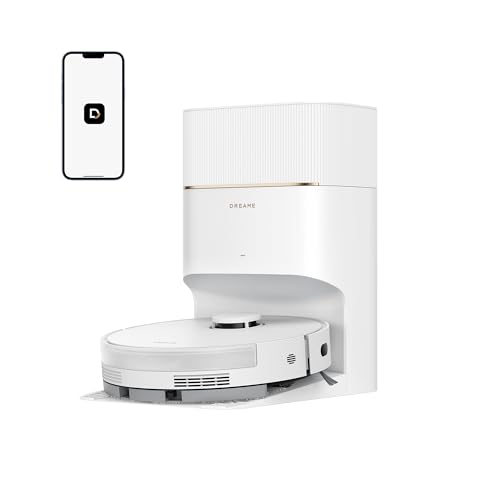
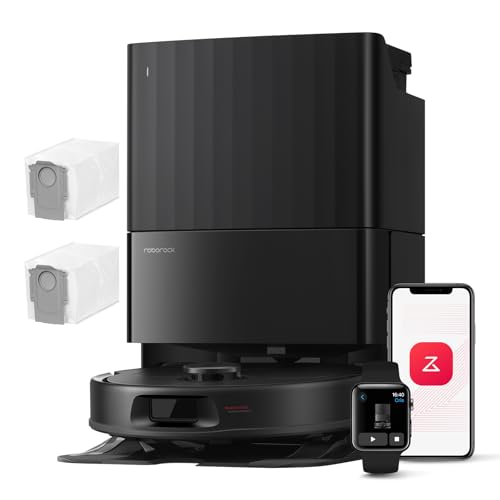
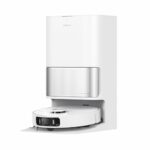
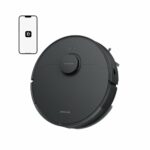
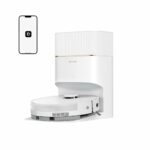
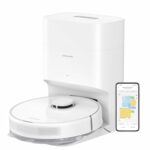
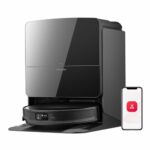
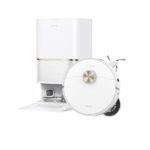
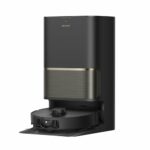
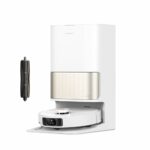
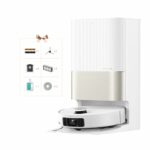
When choosing between these three robots from leading manufacturers, the differences become quite significant once you look beyond the surface. The Dreame D20 Pro Plus arrives in 2025 with a dual-brush system and impressive suction power, positioning itself as a high-performance option with a more compact base. The Dreame L10s Ultra Gen 2, launched in 2024, takes a different approach with its full multifunctional base that handles mop washing and drying, making it a more autonomous solution. The Roborock QV 35A, also from 2025, sits somewhere between these two with its multifunctional base but more modest specifications.
These models cater to different needs. The D20 Pro Plus suits those prioritising raw cleaning power and battery life without requiring automatic mop maintenance. The L10s Ultra Gen 2 targets users wanting minimal intervention with comprehensive mopping capabilities. The Roborock appeals to those seeking brand reliability with balanced features.
Power and Suction
The Dreame D20 Pro Plus dominates this category with 13,000 Pa of suction power, a substantial leap over the L10s Ultra Gen 2's 10,000 Pa and the Roborock QV 35A's 8,000 Pa. This difference becomes noticeable when dealing with embedded dirt in carpets or pet hair.
What sets the D20 Pro Plus apart further is its dual-brush system. This configuration provides more thorough coverage compared to the single brushes found in the other two models. In practical terms, this means fewer passes needed to achieve clean floors, particularly useful in high-traffic areas.
The D20 Pro Plus also features an extendable side brush, allowing it to reach deeper into corners and along skirting boards. Neither the L10s Ultra Gen 2 nor the QV 35A offer this functionality, which can make a genuine difference in edge cleaning performance. Worth noting is that the D20 Pro Plus and QV 35A both incorporate anti-tangle technology in their side brushes, whilst the L10s Ultra Gen 2 doesn't specify this feature.
None of these models elevate their main or side brushes during mopping, so you'll need to consider this if you frequently switch between vacuuming and mopping modes.
Mopping
The mopping systems reveal stark contrasts. The Dreame D20 Pro Plus employs a static mop design, which means the mop pad doesn't rotate or actively scrub. This is the most basic approach and relies purely on the robot's movement to clean floors.
The Dreame L10s Ultra Gen 2 and Roborock QV 35A both use dual rotating mops, which actively scrub the floor as they move. This creates a more effective cleaning action, especially for sticky spills or dried-on marks. The L10s Ultra Gen 2 adds an interesting feature with its Roboswing movement, allowing the mop to extend and reach closer to edges and under furniture lips.
Mop elevation separates the models significantly. The D20 Pro Plus cannot lift its mop at all, meaning it drags the pad over carpets or rugs during vacuuming sessions. The L10s Ultra Gen 2 lifts its mops 10.5 mm, whilst the QV 35A manages 10 mm. This might seem a small difference, but it prevents cross-contamination and protects carpets from unwanted moisture.
All three use cold water for mopping, which handles most everyday cleaning tasks adequately but won't tackle grease as effectively as hot water systems found in premium models.
Navigation System
Each robot uses LiDAR navigation with obstacle avoidance capabilities, providing reliable room mapping and efficient cleaning paths. However, the implementation differs slightly.
The Dreame D20 Pro Plus and L10s Ultra Gen 2 both incorporate 3D laser sensors at the front, enhancing their ability to detect and navigate around obstacles with precision. The Roborock QV 35A doesn't include this additional sensor, relying solely on its LiDAR turret.
An interesting distinction appears in pet recognition. The L10s Ultra Gen 2 specifically identifies pets, potentially adjusting its behaviour around animals. Neither the D20 Pro Plus nor the QV 35A offer this capability, which might matter in homes with nervous pets or those that like to follow the robot around.
The L10s Ultra Gen 2 features CleanGenius technology whilst the QV 35A uses SmartPlan for intelligent cleaning adaptation. The D20 Pro Plus doesn't specify similar AI-driven cleaning optimisation, focusing instead on raw power and coverage.
None of these models include cameras, LED lighting for night vision, or remote camera access, keeping privacy concerns minimal.
Battery and Autonomy
All three robots share identical 5,200 mAh battery capacity, but their runtime differs considerably. The Dreame D20 Pro Plus achieves 285 minutes of operation, the longest of the three. The L10s Ultra Gen 2 manages 240 minutes, whilst the Roborock QV 35A trails at 180 minutes.
This variation likely stems from different power consumption patterns. The D20 Pro Plus, despite its higher suction power, apparently manages energy more efficiently during standard cleaning. The QV 35A's shorter runtime might reflect the demands of its rotating mop system and other features.
For larger homes, these differences become meaningful. The D20 Pro Plus can cover more ground before returning to recharge, reducing total cleaning time for expansive properties.
Smart Features
All three models can climb obstacles up to 20 mm high, allowing them to traverse room transitions, thick rugs, and minor floor level changes without getting stuck. This specification matches across the board.
Each robot integrates with external voice assistants like Alexa and Google Home, enabling voice control for starting cleaning sessions, returning to base, or checking status. None feature proprietary voice assistants or robotic arms for advanced manipulation tasks.
Multifunctional Base
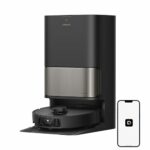
This category reveals the most dramatic differences between these robots. The Dreame D20 Pro Plus comes with a basic auto-emptying base that handles dust collection but nothing more. It features a generous 5L dust bag, the largest of the three, meaning less frequent replacements.
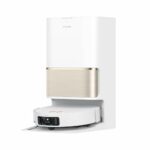
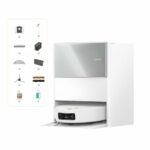
The Dreame L10s Ultra Gen 2 and Roborock QV 35A both feature full multifunctional bases that wash and dry mops automatically. The L10s Ultra Gen 2 washes mops with cold water and dries them using warm air, whilst the QV 35A also uses cold water washing and warm air drying. This automation transforms the mopping experience, as the robots return periodically during cleaning to refresh their mops, ensuring they're always working with clean pads rather than spreading dirty water around.
The L10s Ultra Gen 2 includes a detergent dispenser, automatically adding cleaning solution during mop washing. Neither the D20 Pro Plus nor the QV 35A offer this feature. Additionally, the L10s Ultra Gen 2 supports an optional connection kit for plumbing integration, though this requires separate purchase.
Regarding capacity, the L10s Ultra Gen 2 holds 4.5L of clean water and 4L of dirty water, whilst the QV 35A contains 4L clean and 3.5L dirty. The D20 Pro Plus naturally has no water tanks in its base. The L10s Ultra Gen 2's 3.2L dust bag and QV 35A's 2.7L bag are considerably smaller than the D20 Pro Plus's 5L capacity, reflecting the trade-off in base design priorities.
Dimensions
The robots themselves measure similarly. The D20 Pro Plus and L10s Ultra Gen 2 both have 350 mm diameters, whilst the QV 35A is fractionally wider at 353 mm. Heights range from 96.5 mm to 97 mm, with the QV 35A being the lowest at 96.5 mm and the L10s Ultra Gen 2 tallest at 97 mm. These millimetre differences rarely matter in real-world furniture clearance.
Base dimensions vary more significantly. The D20 Pro Plus base measures 298 mm wide, 452 mm tall, and 440 mm deep, making it the most compact. The L10s Ultra Gen 2's base spans 340 mm wide, 590.5 mm tall, and 456.7 mm deep, whilst the QV 35A measures 340 mm wide, 521 mm tall, and 487 mm deep.
The D20 Pro Plus's smaller base footprint suits tighter spaces or those wanting a less prominent charging station. The taller multifunctional bases of the other two models require more vertical clearance, something to consider if placing them under shelving or in cupboards.
Real-World Experience
For homes with pets, the D20 Pro Plus offers compelling advantages. Its superior 13,000 Pa suction and dual-brush system tackle pet hair more aggressively, whilst its anti-tangle side brush reduces maintenance. The larger onboard dust bin (500 ml versus 300-330 ml) means less frequent emptying during cleaning sessions, and the 5L base bag extends time between replacements.
The extended 285-minute battery life makes the D20 Pro Plus particularly suitable for larger properties. It can cover more area in a single session without interruption, important for homes exceeding 150 square metres.
However, if mopping quality matters significantly, the L10s Ultra Gen 2 or QV 35A become more attractive despite lower suction power. Their rotating mops, automatic washing, and warm air drying deliver genuinely hands-off floor care. The L10s Ultra Gen 2's mop extension and Roboswing movement improve edge cleaning, partially compensating for the lack of an extendable side brush.
The L10s Ultra Gen 2's pet recognition and CleanGenius AI might appeal to households with animals or those wanting adaptive cleaning patterns. The detergent dispenser adds convenience, though it's not essential for effective mopping.
The Roborock QV 35A represents a middle ground with its established brand reputation and SmartPlan intelligence, though it trails in several specifications. Its shorter 180-minute runtime suits smaller homes better, and the lack of detergent dispensing or plumbing connection options might not matter to many users.
Conclusion: Which to Choose?
Choose the Dreame D20 Pro Plus if you prioritise vacuuming performance over mopping convenience. Its exceptional suction power, dual-brush system, and extended battery life make it ideal for larger homes, especially those with pets or thick carpets. The compact base suits tighter spaces, and the massive dust bag capacity reduces maintenance. Accept that you'll need to manage mopping manually, as the base doesn't wash or dry mops.
Choose the Dreame L10s Ultra Gen 2 if you want comprehensive automation with minimal intervention. The multifunctional base handles mop washing and drying, whilst the detergent dispenser and optional plumbing kit maximise convenience. The Roboswing feature and mop extension improve edge cleaning, and pet recognition adds intelligent behaviour. This suits busy households wanting set-and-forget operation, though you'll sacrifice some suction power and battery life compared to the D20 Pro Plus.
Choose the Roborock QV 35A if you trust the brand's reputation and want a balanced robot with automatic mop maintenance at potentially better value. It offers rotating mops with washing and drying capabilities without the premium price of the L10s Ultra Gen 2. Best suited to smaller or medium-sized homes given its 180-minute runtime, and for users who don't need the extra features like detergent dispensing or pet recognition. The SmartPlan intelligence provides adaptive cleaning without excessive complexity.