✨ VS Analyses · VacuumSpain comparison technology. Explanation created with AI from verified technical data.
Introduction
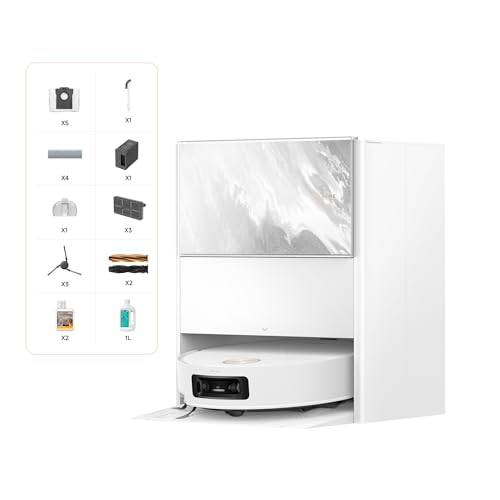
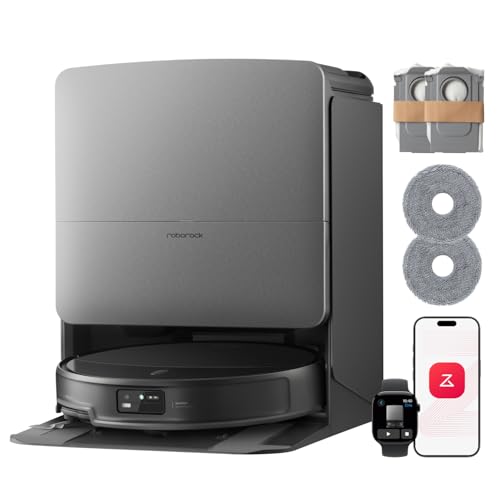
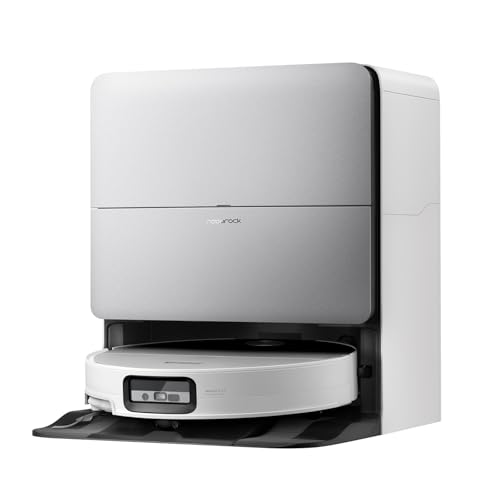
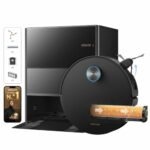
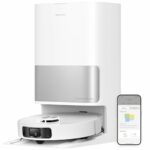
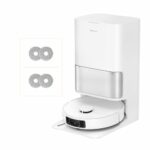
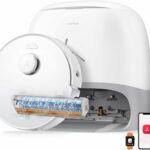
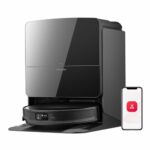
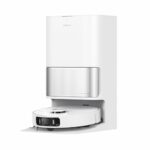
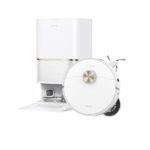
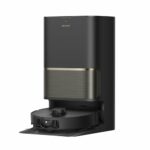
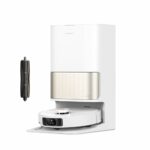
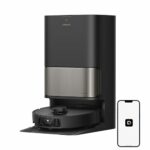
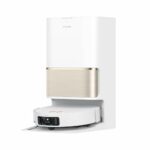
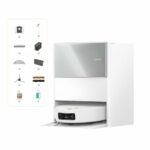
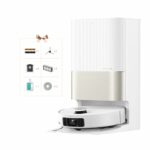
Choosing a high-end robot vacuum in 2025 involves assessing not only raw power, but also how technology integrates into daily life. The Dreame Aqua10 Ultra Track Complete arrives as an ambitious proposition from Dreame, a manufacturer that has gained ground by offering competitive features against more established brands. Facing it we have two models from Roborock, the world's leading brand in the sector: the Roborock Saros 20, presented in February 2026, and the Roborock Saros 20 Sonic, launched a month later with specific variations in the mopping system.
All three units belong to the premium range and feature a complete multifunction base, advanced navigation with artificial intelligence cameras and sophisticated mopping systems. However, the technical differences between them are notable and may prove decisive depending on the type of home, the presence of pets or cleaning requirements. This robot vacuum comparison analyses every relevant aspect to help you decide which robot to choose.
Power and Suction
The suction difference is considerable: whilst the Dreame Aqua10 Ultra Track Complete reaches 25,000 Pa, both Roborock models go up to 36,000 Pa. This doesn't mean the Dreame vacuums poorly, but on thick carpets or in homes with pets that shed a lot of hair, that additional power can make a noticeable difference in pick-up efficiency.
The main brush system also varies. The Dreame incorporates a dual brush, whilst both Roborock models mount the DuoDivide anti-tangle system, specifically designed to push hairs towards the central suction gap and minimise tangles. In practice, this reduces manual brush maintenance, something particularly appreciated if you live with long-haired animals.
All three robots lift the main brush during mopping, feature an extendable side brush to better reach corners and also lift it when mopping. All include anti-tangle technology in the side brush. In this section, they're completely equal except for the type of main brush and raw suction power.
Mopping
Here we find one of the most relevant differences between the three models. The Dreame Aqua10 Ultra Track Complete opts for a wide roller for mopping, a system that covers more surface area in one pass and proves effective on stuck-on stains. The Roborock Saros 20 uses two rotating mops, a configuration that allows constant pressure on the floor and cleans with rotary movement. The Roborock Saros 20 Sonic, on the other hand, integrates a vibrating mop, technology that adds high-frequency vibration to lift ingrained dirt.
Mop lift varies: the Saros 20 reaches between 12 and 22 mm, the highest of the three, followed by the Saros 20 Sonic with 8-18 mm and the Dreame with 7-17 mm. This directly influences the ability to pass over carpets without wetting them. If you have medium or high pile carpets, the Saros 20 offers greater clearance.
The Dreame mops with hot water, whilst both Roborock models use warm water. The Dreame's hot water can prove more effective on grease stains or difficult dirt, although warm water also performs well in routine cleaning. Where the Roborock models make a difference is in automatic mop removal at the base: if you want the robot to vacuum without mopping, both Saros models remove the mops automatically. The Dreame doesn't have this function, which requires manual intervention if you only want to vacuum.
All three detect dirt both on the mops and on the floor, adjusting the cleaning process as necessary. This intelligent functionality improves efficiency and ensures that dirtier areas receive greater attention.
Navigation System
The Dreame Aqua10 Ultra Track Complete and the Roborock Saros 20 Sonic mount retractable LiDAR, whilst the Roborock Saros 20 incorporates the StarSight 2.0 system, an evolution that combines advanced sensors to map the environment with greater precision. All three feature dual RGB cameras for object recognition using artificial intelligence, front 3D laser sensor, LED for night vision and remote camera access from the app.
The number of recognised obstacles is slightly higher in the Roborock models: 300 versus 280 in the Dreame. All identify pets, detect curtains to avoid tangling and offer intelligent AI-based cleaning. The Dreame specifies the use of the AI Sage 15.0 processor with CleanGenius algorithm, whilst in the Roborock models the specific CPU isn't detailed, although the SmartPlan AI platform is mentioned.
In practice, all three navigate competently, avoid obstacles effectively and allow remote monitoring through the camera. The difference here is more about ecosystem and user experience: Roborock is known for its stable app and constant updates, whilst Dreame has improved greatly in this aspect.
Autonomy and Battery
All three robots are equipped with a 6,400 mAh battery, identical in capacity. Specific data on autonomy in minutes or charging time isn't specified, but with that capacity it's usual for them to exceed two hours of continuous operation in standard mode. For homes up to 200-250 m², any of the three completes cleaning without problems, returning to the base only to wash mops if it's mopping.
Smart Functions
All three models overcome simple steps, a useful function in homes with small level differences between rooms or door thresholds. None incorporates a robotic arm, but all feature their own voice assistant and compatibility with external assistants such as Alexa or Google Home. This allows controlling them via voice commands, scheduling cleaning or checking status without opening the app.
Multifunction Cleaning Base
All three bases perform auto-emptying of the dust container, mop washing with hot water (Dreame) or warm water (Roborock) and mop drying. The Dreame dries at 50°C, whilst the Roborock models use hot air without specifying exact temperature. Hot air drying speeds up the process and prevents bad odours, an important aspect if the robot mops daily.
Only the Roborock models include self-cleaning of the washing tray with hot water, which reduces manual base maintenance. The Dreame doesn't have this function, although it does incorporate UV disinfection, absent in the Roborock models. UV disinfection acts on the tray and mops, eliminating bacteria.
The Dreame features a dual detergent tank, allowing the use of two different products depending on floor type or dirt level. The Roborock models have a single detergent tank. Regarding dust bag capacity, the Dreame offers 3.2 litres versus 2.5 litres in the Roborock models, which translates to longer intervals between bag changes.
Clean water tanks are identical (4 litres), but the dirty water tank is larger in the Dreame (3.5 L) than in the Roborock models (3 L). Additionally, the Dreame includes an optional plumbing connection kit, purchased separately, which allows connecting the base to the water supply and drainage for greater autonomy. The Roborock models don't offer this option.
Dimensions
Robot height is a critical factor for passing under furniture. The Dreame measures 97.5 mm, whilst both Roborock models stay at 79.8 mm, almost two centimetres less. This makes it easier for the Roborock models to access under beds, sofas or low wardrobes where the Dreame might not fit. Diameter is similar in all three: 350 mm in the Dreame and 353 mm in the Roborock models.
The bases also differ. The Dreame's measures 420 mm wide, 500 mm high and 440 mm deep. The Saros 20 has 381 mm width, 488 mm height and 475 mm depth. The Saros 20 Sonic is narrower in depth (440 mm) and slightly taller (470 mm). These differences can influence base placement, especially if available space is tight.
Real-world user experience
For large homes over 150 m², the Dreame Aqua10 Ultra Track Complete offers a more generous dust bag and larger dirty water tanks, reducing maintenance frequency. However, its greater height may limit access under certain furniture. If you have many low spaces, the Roborock Saros 20 and Saros 20 Sonic prove more versatile.
In homes with pets, the greater suction power of the Roborock models (36,000 Pa) and the DuoDivide anti-tangle brush system make a difference. The Dreame's dual brush is effective, but requires somewhat more maintenance if hair accumulates. The automatic mop removal capability in the Roborock models also makes it easier to alternate between pure vacuuming and mopping without manual intervention.
Mopping with hot water in the Dreame may be preferable if the home has floors that accumulate grease (large kitchens, for example), whilst the Saros 20 Sonic's vibrating mop excels on stuck-on dry stains. The Saros 20's two rotating mops system offers a versatile balance.
Tray self-cleaning in the Roborock models reduces base maintenance, an aspect worth considering if you're looking for maximum autonomy. The Dreame compensates with UV disinfection and the option to connect to plumbing, although the latter requires additional purchase of the kit.
Conclusion: Which one to choose?
Choose the Dreame Aqua10 Ultra Track Complete if you're looking for greater dust bag and water tank capacity, you value mopping with hot water and UV disinfection, and you don't mind manually removing mops when you only want to vacuum. It's a solid option for large homes where spaced-out base maintenance is a priority, and if your furniture allows for the 97.5 mm height.
Choose the Roborock Saros 20 if you prioritise the highest suction power, the DuoDivide anti-tangle brush system, tray self-cleaning and automatic mop removal. Its lower height facilitates access under low furniture, and the two rotating mops system offers balanced mopping. Ideal for those seeking the best robot vacuum 2025 with minimum maintenance and maximum versatility in homes with pets.
Choose the Roborock Saros 20 Sonic if you need the Saros 20's features but prefer the vibrating mop system for difficult stains. It shares the Saros 20's advantages in terms of power, reduced height and tray self-cleaning, but with a different mopping technology that can prove more effective on floors with ingrained dirt. Perfect for homes that demand intensive mopping without sacrificing ease of use.
Ultimately, the differences between these three high-end robot vacuums focus on details that can be decisive