✨ VS Analyses · VacuumSpain comparison technology. Explanation created with AI from verified technical data.
Introduction
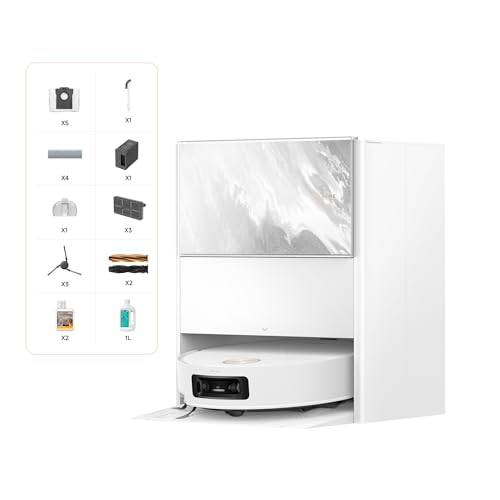
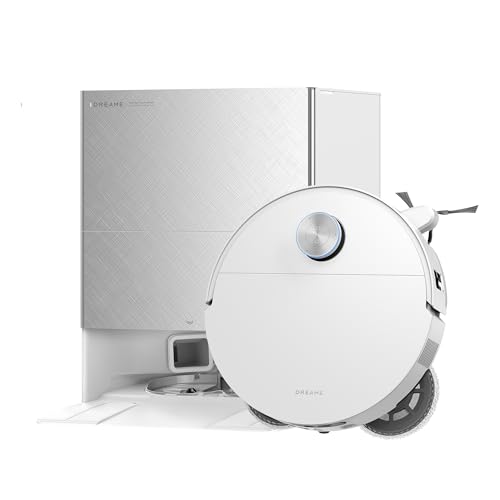
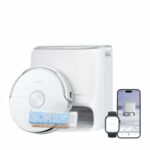
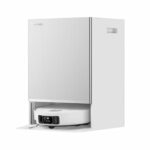
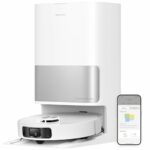
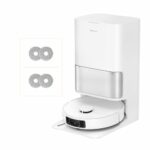
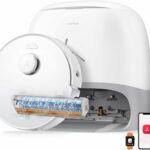
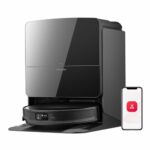
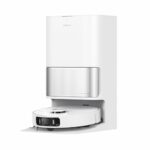
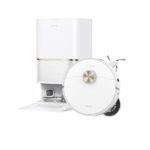
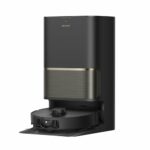
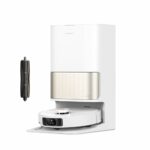
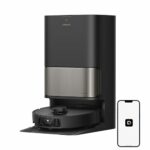
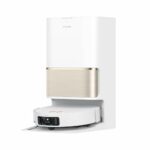
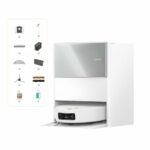
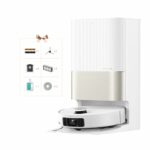
Dreame presents two proposals that represent its most ambitious technological commitment in robot vacuum cleaners with mopping. The Dreame Aqua10 Ultra Track Complete arrived in 2025 with a wide roller system that breaks with the traditional scheme of rotating mops. The Dreame X50s Ultra, launched in May 2026, returns to the two rotating mop system but incorporates substantial improvements in power and design.
Both models are designed for users seeking total automation of maintenance. The multifunction bases include auto-emptying, washing and drying of mops with hot water, plus generous tanks that minimise manual interventions. The fundamental difference lies in the mopping approach and in technical details that can make a difference to the daily experience.
Power and Suction
The 10,000 Pa difference between models is considerable on paper. The Dreame Aqua10 Ultra Track Complete offers 25,000 Pa, a figure more than sufficient for medium-pile carpets and hard floors. The Dreame X50s Ultra rises to 35,000 Pa, which can be particularly noticeable on dense carpets or when there is accumulated ingrained dirt.
Both units feature the HyperStream dual brush system, specifically designed to prevent hair tangles. This type of brush, with two elements anchored at one end, greatly facilitates maintenance in homes with pets. Both main brushes are liftable during mopping, which prevents dragging wet dirt across already clean areas.
As for the side brush, they share characteristics: extendable to better reach corners, liftable during mopping and with anti-tangle design. This combination ensures effective perimeter sweeping without compromising subsequent mopping.
Mopping
Here we find the most important conceptual difference in this robot vacuum cleaner comparison. The Dreame Aqua10 Ultra Track Complete opts for a 180 mm wide roller that covers more surface area with each pass. This system allows for more uniform and continuous mopping, similar to a traditional motorised mop.
The Dreame X50s Ultra returns to the two rotating mop format but adds lateral movement to better cover edges. Both models include extension to reach skirting boards and corners, although the Aqua10's Track system already offers wide coverage by design.
Mop lift works differently on each model. The Aqua10 Ultra Track Complete offers variable lift between 7 and 17 mm, adapting according to need. The X50s Ultra maintains a fixed lift of 10.5 mm, sufficient for standard thickness carpets but less versatile.
Both mop with hot water at 45°C from the robot's internal tank, which improves the dissolution of grease and adhered stains. The bases also wash the mops with hot water during cleaning sessions. Drying differs: the Aqua10 uses hot air at 50°C, whilst the X50s Ultra dries with hot air without specifying exact temperature.
An exclusive advantage of the X50s Ultra is the automatic removal of mops at the base when you only want to vacuum. The Aqua10 requires manual removal if you prefer to dispense with mopping in any session. Both detect dirt on mops and floors to adjust the cleaning process.
Navigation System
Both Dreame robot vacuum cleaners feature retractable LIDAR combined with dual RGB camera and front 3D laser sensor. This triple layer of sensors allows mapping with millimetre precision and detecting obstacles in real time. They recognise up to 280 different types of objects, including pets and curtains, adapting navigation to avoid tangles or accidents.
The X50s Ultra adds improved lighting in its obstacle avoidance system, which can translate into better performance in poorly lit spaces. Both incorporate LED for night vision and allow remote access to the camera from the app, useful for occasional home surveillance.
CleanGenius AI technology manages intelligent cleaning on both models, recognising stains and automatically adjusting mopping patterns. The Aqua10 specifies that it features the AI Sage 15.0 Octa-Core chip, although the X50s does not detail its processor.
Autonomy and Battery
They share a 6,400 mAh battery, a generous capacity that should guarantee prolonged sessions even in large homes. Specific data on autonomy in minutes or maximum recommended surface area is not specified, but this capacity usually translates into more than 200 m² without problems with mixed use of vacuuming and mopping.
Smart Functions
Both can overcome simple 4 cm steps, sufficient for transitions between rooms and small level changes. Neither incorporates a robotic arm. Both include their own voice assistant in addition to compatibility with Alexa and Google Home, allowing voice command control without depending on third parties.
Multifunction Cleaning Base
The multifunction bases share essential functions: auto-emptying with 3.2 litre bag, mop washing with hot water and thermal drying. The water tanks are slightly different: the Aqua10 features 4 litres of clean water and 3.5 of dirty, whilst the X50s Ultra reverses the proportions with 4.2 litres clean and 3 litres dirty.
The Dreame X50s Ultra incorporates third generation tray self-cleaning, a system that keeps the washing area free from residue and bad odours without manual intervention. The Aqua10 does not include this function but compensates with UV disinfection of the tray, absent on the X50s.
Both have a detergent tank, although the Aqua10 specifies that it is dual, allowing two types of product to be used according to need. Both models accept an optional water pipe connection kit, although it must be purchased separately and does not come integrated as standard.
Dimensions
The height difference is significant. The Dreame Aqua10 Ultra Track Complete measures 97.5 mm, whilst the X50s Ultra remains at 79.5 mm. Almost two centimetres less that can make the difference for passing under low furniture, sofas or beds with little clearance from the floor. The diameter is practically identical: 350 mm versus 352 mm.
The bases also differ in size. The Aqua10 occupies 420 x 500 x 440 mm, somewhat more bulky than the X50s Ultra with its 390 x 499 x 423 mm. In kitchens or confined spaces, these centimetres can determine placement.
Real-World Experience
For homes with pets, both models offer similar guarantees thanks to the anti-tangle HyperStream brush and sufficient power for ingrained hair. The X50s Ultra has an advantage on dense carpets due to its additional 35,000 Pa.
The Aqua10's roller system can be more effective in large, open-plan spaces where rapid coverage is paramount. The X50s Ultra's rotating mops with lateral movement perform better in complex layouts with many corners.
The reduced height of the X50s Ultra (79.5 mm) opens up possibilities in homes with low furniture that the Aqua10 would not reach. In practice, this can mean cleaning under trundle beds, some sofas or minimalist design furniture.
The automatic mop removal of the X50s simplifies use when you only need to vacuum without mopping. The Aqua10 requires doing this manually, a minor detail but one that adds to daily convenience. In return, the Aqua10's UV disinfection provides additional peace of mind in homes where hygiene is a priority.
Conclusion: Which to Choose?
Choose the Dreame Aqua10 Ultra Track Complete if you value the wide roller system for more uniform mopping on large surfaces, need UV disinfection of the washing tray, prefer the versatility of variable mop lift between 7 and 17 mm, or are interested in the dual detergent tank to alternate products according to floor type.
Choose the Dreame X50s Ultra if you seek the maximum available suction power (35,000 Pa) for demanding carpets or pets that shed a lot of hair, need a robot that passes under low furniture thanks to its 79.5 mm height, prefer the convenience of automatic mop removal when you only want to vacuum, value third generation tray self-cleaning for minimum maintenance, or have less space for the base.
In large houses with predominantly hard floors, the Aqua10 offers mopping more similar to traditional manual mopping. For homes with thick carpets, delicate parquet and low furniture, the X50s Ultra provides more versatility. Both represent the best of Dreame in total automation, with differences that respond to usage preferences rather than absolute superiority.