✨ VS Analyses · VacuumSpain comparison technology. Explanation created with AI from verified technical data.
Introduction
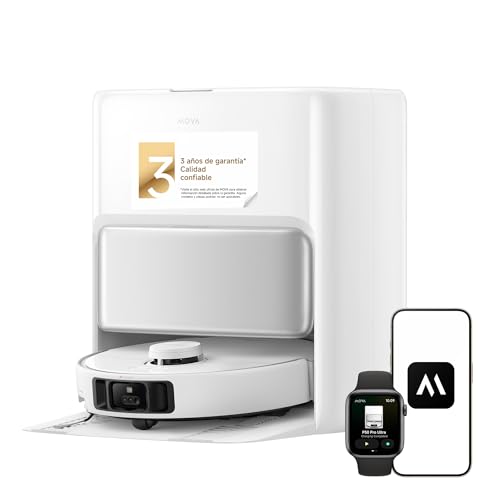
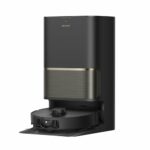
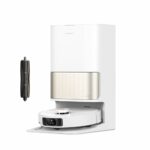
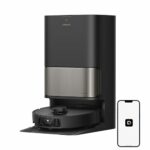
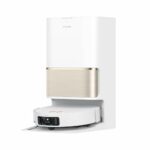
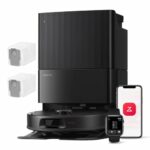
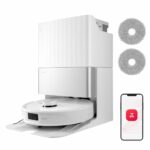
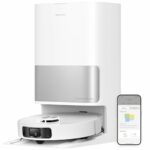
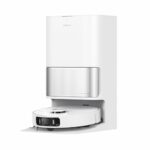
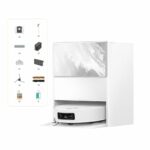
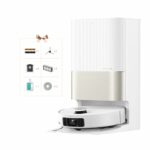
We're looking at two robot vacuum cleaners from 2025 that share the same manufacturer, albeit with slightly different approaches. The Dreame Aqua 10 Ultra Roller opts for a mopping system with a rotating roller, whilst the Mova P50 Pro Ultra maintains the traditional spinning mop system but with significant improvements. Both are designed for users seeking comprehensive cleaning without manual intervention, with multifunctional bases that automate maintenance.
The Dreame comes with 30000 Pa of power and a double anti-tangle brush, features that place it in the most demanding premium range. The Mova, with 19000 Pa and TriCut 3.0 brush, positions itself as a more balanced alternative in terms of performance. The difference in mopping systems defines the character of each model: the Dreame's roller promises more intensive mopping, whilst the Mova's mops offer versatility with edge extension and RoboSwing system.
Power and Suction
The 11000 Pa difference between models is considerable. The Dreame Aqua 10 Ultra Roller reaches 30000 Pa, a figure that places this robot amongst the most powerful on the current market. In practice, this translates to better performance on carpets and greater capacity to pick up ingrained dirt. The Mova P50 Pro Ultra, with 19000 Pa, offers more than sufficient power for day-to-day use in most homes.
The brushing system marks another important difference. The Dreame features a double anti-tangle brush, specifically designed to minimise hair tangles. The Mova uses the TriCut 3.0 system, which combines bristles with blades to cut hairs as they become tangled. Both include anti-tangle technology already installed as standard.
Both models lift the main brush during mopping and feature an extendable and liftable side brush. This feature allows better sweeping of corners when extended, and prevents the side brush from touching the wet floor during mopping. The side brush also incorporates anti-tangle technology in both cases, which reduces manual maintenance.
Mopping
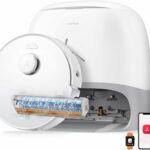
Here we find the most significant difference in this robot vacuum comparison. The Dreame Aqua 10 Ultra Roller integrates a rotating roller with 12N pressure, a system that mops in a similar way to a traditional mop but automated. This roller covers the full width of the robot and maintains constant contact with the floor. The Mova P50 Pro Ultra uses two spinning mops that apply pressure to the floor through rotation.
The Dreame lifts the mops up to 14 mm and includes an additional cover to protect the area when vacuuming over carpets. The Mova reaches 10.5 mm of lift, sufficient for medium-thickness carpets. However, the Mova has a practical advantage: it can leave the mops at the base when you only need to vacuum, something the Dreame doesn't allow. This is especially useful if you want to do a quick vacuuming pass without dampening the floor.
Both extend the mops to reach edges. The Mova also incorporates RoboSwing, a lateral movement that helps get the mop under furniture and overhangs. This function can make a difference in kitchens with low units or wall-mounted radiators.
Mop washing presents different temperatures: 100°C in the Dreame versus 75°C in the Mova. The Dreame's hotter water disinfects better and removes grease more effectively. The Mova dries the mops at 45°C, whilst we don't have the exact figure for the Dreame. Both detect dirt on both the mops and the floor, adjusting the cleaning process as needed.
Navigation System
The Dreame features a retractable LIDAR that hides when not needed, reducing the robot's effective height. The Mova uses a conventional LIDAR 3.0 turret. Both integrate dual RGB cameras with artificial intelligence, front 3D laser sensor and LED for night vision. Remote camera access is available on both, allowing you to monitor the home whilst the robot cleans.
The Dreame recognises up to 240 different objects thanks to the AI Sage 15.0 Octa-Core processor, whilst the Mova identifies 160 objects. This difference can be particularly noticeable in homes with many items on the floor: toys, cables, slippers. The more objects the robot recognises, the better it will avoid obstacles without getting stuck.
Both models detect pets and curtains, adjusting their behaviour to avoid disturbing animals or getting tangled with fabrics. The Mova incorporates the CleanGenius system for intelligent cleaning, whilst the Dreame manages AI in an integrated way in its software. Both recognise stains and adapt cleaning intensity.
Autonomy and Battery
Here there's an interesting paradox. The Dreame features a 6400 mAh battery but offers 160 minutes of autonomy. The Mova, with 5200 mAh, reaches 210 minutes. The explanation lies in consumption: the Dreame uses more energy due to its greater suction power and the rotating roller system, which requires more force than spinning mops.
For large homes, the Mova's 210 minutes can be decisive. In practice, 160 minutes are usually sufficient for surfaces up to 200-250 m², but if you have a house of more than 300 m² or several floors, the Mova's extra autonomy makes a difference. Both return automatically to the base when they need recharging and resume cleaning where they left off.
Smart Functions
The Dreame Aqua 10 Ultra Roller overcomes obstacles between 42 and 80 mm in extra height, an exceptional capability that allows it to navigate thick carpets, high thresholds or complicated level changes. The Mova P50 Pro Ultra reaches 22 mm, more than sufficient for most homes but limited if you have long-pile carpets or pronounced transitions between rooms.
Both include a simple integrated voice assistant, although without the features of the more advanced assistants on the market. Neither features a robotic arm, a function that for now remains reserved for very specific models.
Multifunctional Cleaning Base
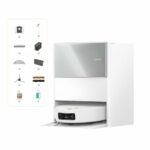
Both bases have the same capacity: 3.2-litre dust bag, 4-litre clean water tank and 3.5-litre dirty water tank. These capacities allow several weeks without manual intervention, depending on frequency of use and home size.
The important difference lies in the tray self-cleaning. The Mova incorporates a third-generation system already installed that automatically cleans the tray where the mops are washed, preventing dirt accumulation and bad odours. The Dreame doesn't include this function, which means periodic manual cleaning of the tray.
Both have a detergent tank, although the Dreame boasts a dual system that allows using different products depending on floor type. The Dreame offers an optional plumbing connection kit, useful if you want to avoid manually refilling tanks, but it's an accessory that's purchased separately. The Mova doesn't have this option available.
Dimensions
The diameter is identical: 350 mm in both cases. The height marks the practical difference. The Dreame measures 97.5 mm, whilst the Mova reaches 103.8 mm. Those 6.3 mm may seem insignificant, but they determine whether the robot passes under certain furniture or not. If you have sofas, beds or low wardrobes with little clearance from the floor, the Dreame has more chance of getting underneath.
The internal tanks also vary. The Dreame carries 220 ml of dust and 160 ml of water in the robot. The Mova increases the dust tank to 300 ml but reduces the water tank to 80 ml. In practice, the Mova's larger dust tank allows more vacuuming time before returning to the base, whilst the Dreame's water tank gives it more continuous mopping autonomy.
The bases have similar dimensions: 420 mm width in both. The Dreame measures 500 mm high and 440 mm deep; the Mova, 470 mm high and 458 mm deep. The Mova is lower but somewhat deeper, something to consider depending on available space.
Real-World User Experience
The Dreame Aqua 10 Ultra Roller is designed for those seeking maximum power and the most intensive mopping possible. Its rotating roller with water at 100°C disinfects thoroughly, ideal for homes with young children or pets where hygiene is a priority. The ability to overcome obstacles up to 80 mm makes it especially suitable for homes with thick carpets or complicated level changes.
The Mova P50 Pro Ultra stands out for its 210-minute autonomy and the ability to leave the mops at the base. This function is practical if you alternate mopping days with vacuum-only days. The third-generation tray self-cleaning reduces manual maintenance, something that's appreciated in day-to-day use. Its slightly greater height can be a drawback under very low furniture, but the 103.8 mm still allows it to pass under most standard sofas and beds.
For homes with pets, the Dreame's double anti-tangle brush can mean less time spent untangling hairs, although the Mova's TriCut 3.0 system also performs well. The power difference (30000 Pa vs 19000 Pa) is especially noticeable if you have carpets where pet hair accumulates.
Conclusion: Which to Choose?
Choose the Dreame Aqua 10 Ultra Roller if... you're looking for maximum suction power on the market and a roller mopping system that mops more intensively. It's the best option for homes with thick carpets or many level changes, thanks to its ability to overcome obstacles up to 80 mm. If you have pets and want to minimise hair tangles, its double anti-tangle brush makes a difference. Mop washing at 100°C is ideal if you prioritise disinfection. It's also interesting if you value the optional plumbing connection kit, even though you have to purchase it separately.
Choose the Mova P50 Pro Ultra if... you need greater cleaning autonomy. Its 210 minutes allow covering large homes or several floors without intermediate recharges. The ability to leave the mops at the base gives you flexibility to alternate between vacuuming and mopping as needed. Its third-generation tray self-cleaning system reduces manual maintenance, perfect if you're looking for absolute convenience. Although it has less power than the Dreame, 19000 Pa is more than sufficient for most homes. If your house has low furniture but not extremely low, the 103.8 mm height shouldn't pose a problem.
In short, the Dreame opts for raw power and intensive roller mopping, whilst the Mova seeks balance between autonomy, smart functions and low maintenance. The choice depends on whether you prioritise cleaning intensity or autonomy and ease of use.