✨ VS Analyze · VacuumSpain comparison technology. AI-generated explanation based on verified technical data.
Introduction
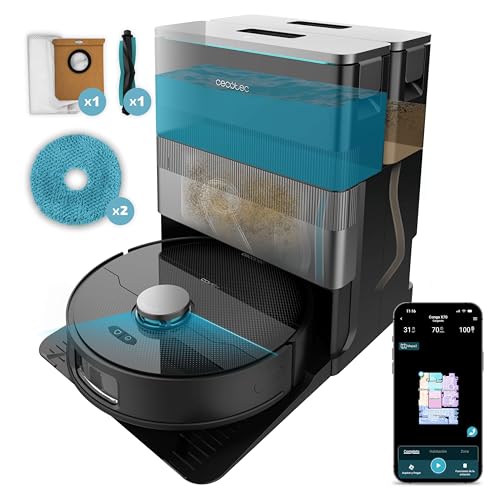
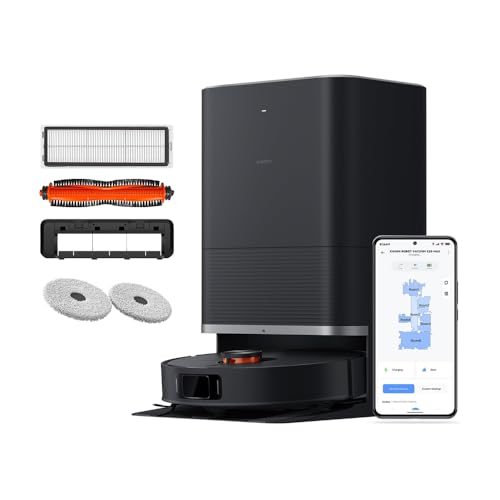
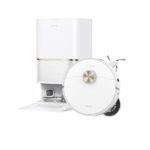
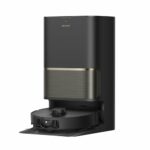
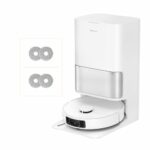
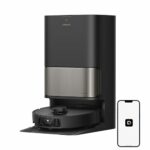
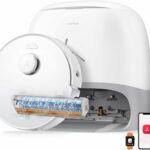
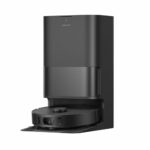
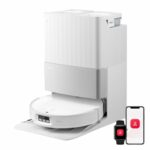
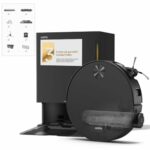
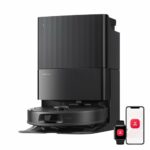
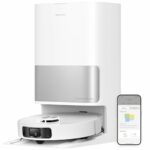
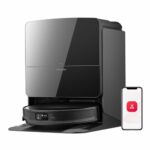
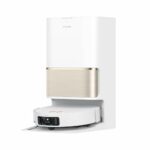
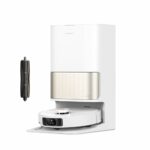
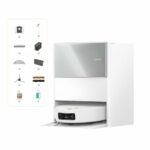
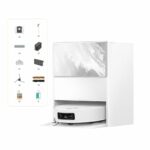
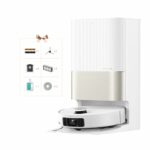
The Cecotec Conga X70, the Xiaomi X20 Max and the Dreame X50 Ultra Blanca represent three distinct approaches within the high-end range of robot vacuum cleaners with multifunctional base. The Cecotec model arrives in 2025 with 15,000 Pa of power, whilst the Xiaomi X20 Max, launched in 2024, offers 8,000 Pa. The Dreame X50 Ultra Blanca, also from 2025, stands out with 20,000 Pa and a 6,400 mAh battery that promises up to 180 minutes of autonomy.
These devices are designed for users seeking a complete cleaning system without manual intervention. The difference lies in the level of automation, intelligent detection capability and mopping features that each manufacturer has incorporated.
Power and Suction
Suction power marks notable differences in this robot vacuum cleaner comparison. The Dreame X50 Ultra Blanca reaches 20,000 Pa, a figure that widely surpasses the 15,000 Pa of the Cecotec Conga X70 and doubles the 8,000 Pa of the Xiaomi X20 Max. In homes with carpets or pets, this difference can translate into more effective collection of embedded hair and debris.
The brushing system also varies. The Cecotec employs a traditional bristle brush, whilst the Xiaomi incorporates the TriCut 3.0 system, which combines bristles with blades to reduce hair tangles. The Dreame opts for a dual HyperStream brush, specifically designed to prevent hair from wrapping around.
None of the three models lifts the main brush during mopping. However, the Dreame does lift the side brush, in addition to featuring side extension and anti-tangle design. This function proves especially useful in homes with pets, where hair accumulation tends to be a recurring problem.
Mopping
All three robots use two rotating mops for mopping, with mop extension to better reach edges. The Dreame X50 Ultra Blanca additionally incorporates the Roboswing system, which allows the robot to perform a movement that introduces the mops under furniture or overhangs.
Mop lifting presents small differences: the Cecotec lifts 8 mm, whilst the Xiaomi and the Dreame reach 10 mm and 10.5 mm respectively. Although it may seem little, those extra millimetres facilitate passage over thin carpets without wetting them.
Mop washing in the base is carried out with hot water in all three cases, which improves dirt removal. Drying also uses hot air, preventing bad odours. This is where the Dreame sets itself apart: it automatically removes the mops at the base when you only need to vacuum, something the other two models don't do. Furthermore, it detects dirt both on the mops and on the floor, adjusting mopping as necessary.
Navigation System
The Cecotec and the Xiaomi mount a conventional LiDAR turret, whilst the Dreame opts for a retractable LiDAR that reduces the total height of the robot. All three integrate a front 3D laser sensor to avoid obstacles.
The AI camera is an important differentiating point. The Cecotec includes one camera, the Xiaomi has none, and the Dreame incorporates dual AI camera. This system allows the Dreame to recognise up to 200 different types of obstacles, including pets and curtains, something neither the Cecotec nor the Xiaomi offer.
Remote camera access is only available on the Dreame, allowing you to monitor the home from the mobile application. Regarding LED lighting for night vision, both the Xiaomi and the Dreame incorporate it; the Cecotec doesn't.
The Xiaomi and the Dreame feature AI-based intelligent cleaning, although only the Dreame integrates the AI Sage 13.0 algorithm with specific stain recognition.
Autonomy and Battery
Battery capacity varies significantly. The Dreame mounts 6,400 mAh, versus the 5,200 mAh of the Cecotec and the Xiaomi. This difference translates into real autonomy: the Dreame reaches 180 minutes of continuous operation, whilst the Xiaomi achieves 120 minutes.
For large homes, this difference can determine whether the robot completes cleaning in a single run or needs to return to charge mid-process. The Cecotec doesn't specify autonomy in minutes, which makes it difficult to assess its performance in this aspect.
Intelligent Functions
The ability to overcome obstacles is another relevant difference. The Cecotec can navigate steps of up to 30 mm, the Xiaomi reaches 20 mm, and the Dreame handles simple steps without specifying exact height. In practice, this affects passage between rooms with small level changes or thick carpets.
The built-in voice assistant is only incorporated in the Dreame X50 Ultra Blanca. The Xiaomi and the Dreame are compatible with external assistants such as Alexa or Google Home, whilst the Cecotec doesn't offer this integration.
Multifunctional Cleaning Base
All three models feature a multifunctional base that performs auto-emptying of the dust container, mop washing with hot water and drying with hot air. This is where the similarities end.
The Dreame X50 Ultra Blanca includes third-generation washing tray auto-cleaning, UV water disinfection and a specific detergent tank. These functions drastically reduce manual maintenance. Neither the Cecotec nor the Xiaomi offer tray auto-cleaning, UV disinfection or detergent tank.
Dust bag capacity also differs: the Dreame stores 3.2 litres, whilst the Cecotec and the Xiaomi remain at 2.5 litres. In homes with pets or high traffic, this means emptying the bag less frequently.
The clean and dirty water tanks are similar: the Dreame has 4.5 litres of clean water and 4 litres of dirty water; the Cecotec 4 litres and 3.5 litres; the Xiaomi 4 litres and 3.8 litres. Minimal differences that barely affect the user experience.
The Dreame offers an optional plumbing connection kit, which is purchased separately. None of the three come with integrated connection from the factory.
Dimensions
Robot height is a determining factor for passing under furniture. The Dreame measures 89 mm, the Xiaomi 97 mm and the Cecotec 110 mm. Those 21 mm of difference between the Dreame and the Cecotec can determine whether or not the robot accesses under sofas, beds or low wardrobes.
The diameter is practically identical: 340 mm on the Cecotec, 350 mm on the Xiaomi and the Dreame. This measurement has little effect on manoeuvrability in tight spaces.
Base dimensions vary more. The Cecotec has 450 mm height, the Xiaomi 563 mm and the Dreame 590.5 mm. The Cecotec base is more compact vertically, although the Dreame's depth (456.7 mm) is greater than the Cecotec's (425 mm) and the Xiaomi's (420 mm). It's advisable to measure the available space before deciding.
Real-world user experience
The Dreame X50 Ultra Blanca is designed for users seeking maximum automation. Dirt detection on mops and floor, automatic mop removal, tray auto-cleaning and UV disinfection reduce manual intervention to a minimum. The dual AI camera and recognition of 200 obstacles, including pets, make it a solid option for homes with animals.
The Cecotec Conga X70 offers good suction power and ability to overcome 30 mm steps, but lacks advanced detection functions and automatic base maintenance. It may prove interesting if the budget is tight and you don't need the most advanced features.
The Xiaomi X20 Max sits at a middle point. Its 8,000 Pa power is the lowest of the three, although its TriCut 3.0 system helps reduce tangles. The absence of an AI camera limits its obstacle recognition capability. Its 97 mm height facilitates passage under furniture better than the Cecotec.
For large homes, the Dreame's 180-minute autonomy makes a difference versus the Xiaomi's 120 minutes. In homes with pets, the Dreame's HyperStream brush and its anti-tangle side brush offer clear advantages.
Conclusion: Which one to choose?
Choose the Cecotec Conga X70 if you're looking for a robot with multifunctional base at a more contained price, you value the ability to overcome 30 mm steps and you don't need advanced AI functions or automatic base maintenance. It's a functional option for small or medium-sized homes without pets.
Choose the Xiaomi X20 Max if you need a robot with reduced height (97 mm) to pass under furniture, you prefer the TriCut 3.0 system to reduce tangles and 120 minutes of autonomy is sufficient for you. Compatibility with external voice assistants and the night vision LED are points in its favour, although the absence of an AI camera limits its recognition capability.
Choose the Dreame X50 Ultra Blanca if you prioritise maximum automation and the least possible maintenance. Tray auto-cleaning, UV disinfection, detergent tank, dirt detection and automatic mop removal reduce manual intervention. Its 20,000 Pa power, 180-minute autonomy, dual AI camera with recognition of 200 obstacles and height of only 89 mm make it the most complete option for large homes, households with pets and users seeking the best robot vacuum cleaner without technical compromises.