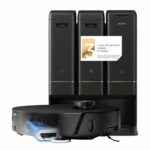
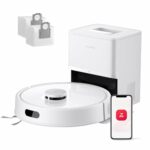
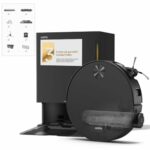
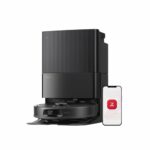
✨ VS Analyses · VacuumSpain comparison technology. Explanation created with AI from verified technical data.
Introduction
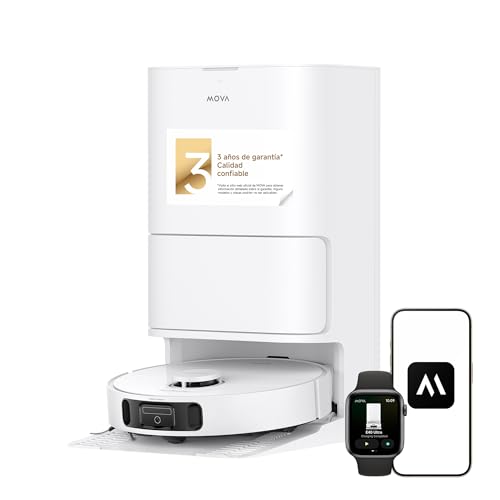
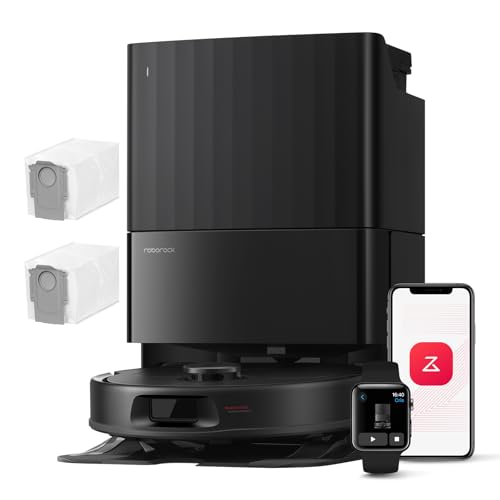
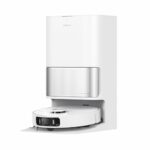
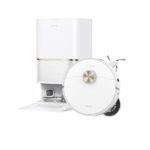
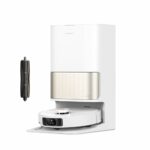
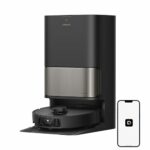
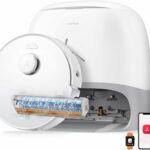
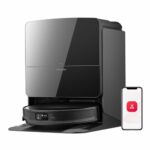
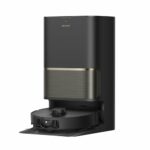
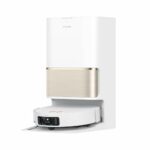
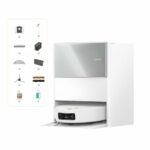
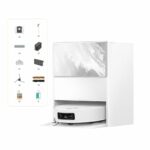
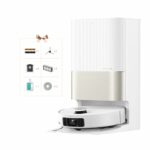
The Mova E40 Ultra and Roborock QV 35A represent two distinct approaches to automated home cleaning in 2025. Whilst Roborock continues its reputation as a leading manufacturer with proven reliability, Mova—Dreame's second brand—enters the market with competitive specifications at an attractive price point. Both models feature multifunctional bases that handle vacuuming and mopping duties, making them suitable for households seeking comprehensive floor maintenance without constant intervention.
The E40 Ultra positions itself as a high-performance option with impressive suction power, whilst the QV 35A offers Roborock's established ecosystem and refined user experience. These aren't entry-level devices; both include rotating mop systems and self-cleaning bases that distinguish them from simpler models with basic charging stations.
Power and Suction
The difference in raw suction capability is substantial. The Mova E40 Ultra delivers 19,000 Pa compared to the Roborock QV 35A's 8,000 Pa. In practical terms, this translates to significantly better performance on carpets and rugs, where deeper embedded dirt requires stronger extraction. For homes with thick pile carpets or pets that shed heavily, this gap becomes meaningful rather than academic.
Both models employ a simple brush design rather than advanced anti-tangle systems like HyperStream or DuoDivide. The side brushes on each robot include anti-tangle features, which helps reduce maintenance frequency. Neither offers an extendable side brush for corner cleaning, and both keep their main brushes fixed during mopping rather than lifting them to avoid dragging debris across wet floors.
The lack of main brush elevation during mopping means both robots continue using the rotating brush whilst the mops work, which can sometimes redistribute fine dust particles rather than containing them entirely in the dustbin.
Mopping Performance
Both robots use dual rotating mop pads, a configuration that provides better scrubbing action than static cloths. The Mova E40 Ultra introduces an edge extension system combined with a swinging motion—similar to Dreame's RoboSwing technology—that allows the mop to reach closer to skirting boards and into corners. The Roborock QV 35A lacks this extension capability, leaving a slightly wider gap along walls during mopping runs.
Mop lift height differs marginally: 10.5 mm on the Mova versus 10 mm on the Roborock. Whilst this won't dramatically change performance, it determines whether the robot can transition onto low-profile rugs without dragging wet mops across them. Neither model automatically detaches mops at the base when switching to vacuum-only mode, so manual removal remains necessary if you want pure vacuuming sessions.
The base stations wash mops with cold water on both devices. However, the Mova E40 Ultra dries mops using heated air, which accelerates drying time and reduces the likelihood of mildew developing between cleaning cycles. The Roborock QV 35A relies on ambient temperature air, requiring longer drying periods. For households in humid climates or those running multiple cleaning sessions daily, heated drying offers tangible benefits in maintaining fresher-smelling equipment.
Neither robot detects dirt levels on mops or floors to trigger additional cleaning passes, so you'll need to configure cleaning intensity manually through the app rather than relying on automated adjustments.
Navigation System
Both models navigate using LiDAR turrets combined with 3D obstacle avoidance systems. The Mova E40 Ultra includes a frontal 3D laser sensor that the Roborock QV 35A omits. This additional sensor improves detection of low-lying objects and enhances spatial awareness when approaching furniture legs or scattered items.
Pet recognition appears exclusively on the E40 Ultra, allowing the robot to identify animals and adjust behaviour accordingly—useful if you have cats or dogs that might startle or interfere with cleaning routines. The QV 35A lacks this specific recognition capability, though its general obstacle avoidance still functions competently around pets.
Neither robot incorporates a front-facing camera for remote viewing or AI-powered visual recognition of specific objects. Both rely on CleanGenius AI (Mova) and SmartPlan 1.0 (Roborock) for intelligent cleaning strategies, though these systems optimise routes and scheduling rather than identifying individual items visually.
Battery and Autonomy
Identical 5,200 mAh batteries power both robots, yet runtime differs. The Mova E40 Ultra achieves 210 minutes of operation compared to the Roborock QV 35A's 180 minutes. This 30-minute advantage likely stems from efficiency differences in motor management and suction calibration rather than battery chemistry.
For larger homes exceeding 150 square metres, the extended runtime reduces the frequency of mid-clean returns to the base for recharging. In compact flats or apartments, this difference becomes less critical since both robots complete typical cleaning cycles comfortably within their respective autonomy limits.
Smart Features
Both robots handle 20 mm obstacles equally, allowing them to mount door thresholds, transition between rooms, and navigate over thick carpet edges without assistance. Neither includes a robotic arm for manipulating objects or proprietary voice assistants, though both integrate with Alexa and Google Home for voice control through existing smart home ecosystems.
Multifunctional Base Station
The base stations share core functionality: automatic dust emptying, mop washing with cold water, and mop drying. The Mova E40 Ultra's base accommodates a 3.2-litre dust bag versus the Roborock's 2.7-litre capacity, extending the interval between bag replacements. Clean water tanks measure 4.5 litres and 4 litres respectively, whilst dirty water tanks hold 4 litres and 3.5 litres.
These capacity differences matter for households running frequent cleaning cycles or covering extensive floor areas. Larger tanks mean fewer refills and emptying sessions, reducing weekly maintenance touchpoints.
The Mova base supports an optional detergent dispenser purchased separately, dispensing cleaning solution during mop washing for enhanced freshness. The Roborock QV 35A doesn't offer this accessory, limiting you to water-only mop cleaning unless you manually add solution to the tank.
Neither base includes automatic bandeja cleaning, UV disinfection, or plumbing connections for continuous water supply. Both require manual tank management rather than permanent installation.
Dimensions
The robots measure almost identically: 350 mm diameter and 97 mm height for the Mova versus 353 mm diameter and 96.5 mm height for the Roborock. This half-millimetre height advantage on the QV 35A makes negligible practical difference when fitting under furniture.
Base station footprints differ more noticeably. The Mova base stands 590.5 mm tall and extends 456.7 mm deep, whilst the Roborock measures 521 mm tall and 487 mm deep. The Roborock base sits lower but projects further from the wall, whilst the Mova base rises higher but tucks in more compactly. Consider your available floor space and whether vertical clearance or depth matters more in your intended location.
Real-World Usage
For homes with pets, the Mova E40 Ultra's superior suction power handles embedded fur more effectively, whilst its pet recognition feature adds behavioural intelligence around animals. The heated mop drying also helps when running frequent cleaning cycles to manage pet-related mess.
In larger properties, the E40 Ultra's extended autonomy and larger base tanks reduce intervention frequency. The edge-extending mop delivers more thorough coverage along skirting boards, which becomes increasingly valuable as floor area increases.
Roborock's established app ecosystem and proven reliability appeal to users prioritising seamless integration and dependable long-term performance over raw specifications. The brand's track record suggests fewer software quirks and more responsive customer support.
Both robots suit hard floors, tiles, and sealed wood equally well. Neither specifies carpet-specific performance metrics beyond suction power, though the Mova's substantially higher Pa rating suggests better deep-cleaning capability on textile surfaces.
Conclusion: Which to Choose?
Choose the Mova E40 Ultra if you need maximum suction power for carpets and pet hair, want heated mop drying for faster turnaround and fresher results, require extended autonomy for larger homes, or value the edge-extending mop for thorough border cleaning. The optional detergent dispenser and larger base tanks also suit households running intensive daily cleaning schedules.
Choose the Roborock QV 35A if you prioritise Roborock's proven reliability and refined app experience, have a smaller home where the autonomy difference matters less, or prefer the slightly more compact base depth. Roborock's established reputation makes this the safer choice for users seeking dependable long-term performance without surprises.
For pet owners in larger homes, the Mova delivers compelling advantages. For those valuing brand reliability and ecosystem maturity, the Roborock remains the sensible option despite its lower specifications on paper.