✨ VS Analyses · VacuumSpain comparison technology. Explanation created with AI from verified technical data.
Introduction
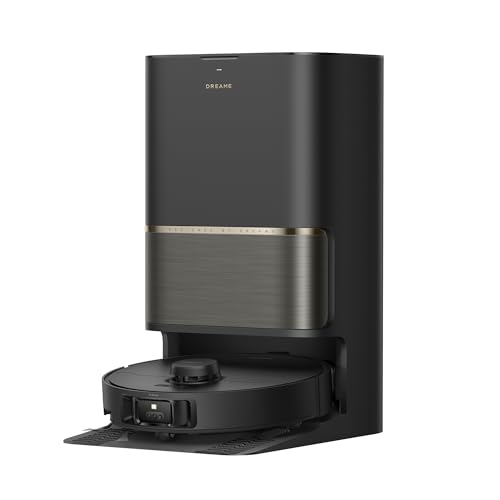
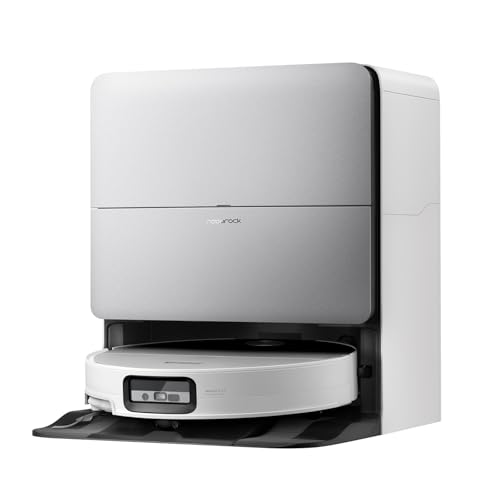
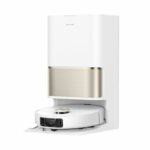
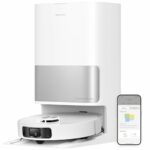
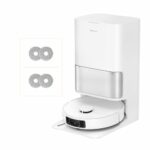
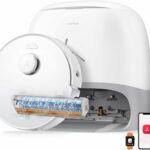
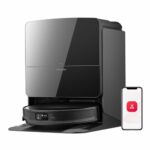
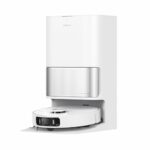
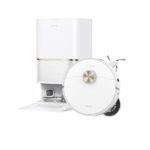
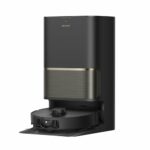
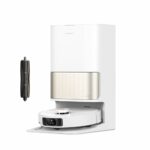
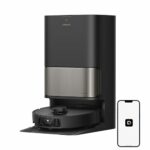
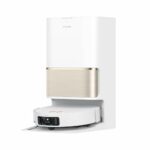
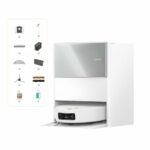
The Dreame L50s Pro Ultra and the Roborock Saros 20 Sonic represent two of the most advanced robot vacuum cleaners launching in 2026. Both sit firmly in the premium segment, equipped with multifunctional bases that handle everything from dust disposal to mop washing and drying. These aren't entry-level devices; they're designed for users who want comprehensive automation without constant intervention.
The Dreame model brings a dual rotating mop system and impressive 30,000 Pa suction, whilst Roborock counters with a remarkable 36,000 Pa and their DuoDivide anti-tangle brush technology. Both manufacturers have packed these devices with AI-powered navigation, dual cameras, and intelligent cleaning systems that adapt to your home's layout and dirt levels.
Choosing between them isn't straightforward. The specifications reveal meaningful differences in suction power, battery capacity, mop technology, and even physical dimensions that could significantly impact daily performance depending on your home's specific needs.
Suction Power and Brushing Systems
The Roborock Saros 20 Sonic takes a clear lead in raw suction capability with 36,000 Pa, outpacing the Dreame L50s Pro Ultra's 30,000 Pa by a substantial margin. For homes with deep-pile carpets or persistent pet hair, this extra power can make a noticeable difference in cleaning effectiveness.
Where brush design is concerned, both manufacturers have taken different approaches to solving the same problem: hair tangles. The Dreame employs a dual HyperStream brush configuration, with two brushes anchored at one end to minimise hair wrapping. Roborock's DuoDivide system pushes hair towards the central suction gap, preventing it from winding around the roller in the first place.
Both robots feature elevating main brushes that lift during mopping to prevent cross-contamination. The side brushes on each model also extend to reach corners more effectively and elevate when mopping to avoid dragging debris through wet areas. Each manufacturer includes anti-tangle technology in their side brushes as well, reducing maintenance frequency.
In practice, the higher suction of the Roborock may prove beneficial for households with thick rugs or multiple pets, whilst Dreame's dual brush system offers its own advantages in debris collection across hard floors.
Mopping Performance
The mopping systems reveal a fundamental difference in philosophy. Dreame's L50s Pro Ultra uses dual rotating mops that spin to scrub floors, enhanced by the Roboswing feature—a swaying motion that helps the mop reach slightly under furniture edges and skirting boards. The mops extend to clean right up to wall edges.
Roborock has opted for sonic vibration technology in the Saros 20 Sonic, where the mop pad vibrates at high frequency to break down dried-on stains. This system also includes mop extension for edge cleaning. The Roborock's mop can lift between 8-18 mm depending on surface type, whilst the Dreame offers 10.5 mm of elevation.
A significant advantage for the Roborock lies in its warm water mopping capability. The robot uses heated water when cleaning floors, which proves more effective at dissolving grease and sticky residues than the Dreame's cold water system. Both bases wash the mops with hot water and dry them with heated air to prevent bacterial growth and unpleasant odours.
Both models detect dirt on their mops and on the floor itself, triggering additional cleaning passes when needed. They'll also automatically remove their mops at the base when you want vacuuming only, avoiding unnecessary dragging of dry pads across carpets.
Navigation Systems
Navigation technology is remarkably similar between these two robots. The Dreame features a third-generation 3D LiDAR turret, whilst Roborock employs a retractable LiDAR system that lowers the overall robot height. Both use dual AI cameras combined with 3D laser sensors at the front for obstacle detection.
The Roborock Saros 20 Sonic can recognise up to 300 different objects, surpassing the Dreame's 220-object database. This broader recognition capability means fewer false stops and more confident navigation around unusual household items. Both systems identify pets and curtains specifically, adjusting their behaviour accordingly.
LED illumination for night-time operation comes standard on both models, as does remote camera access through the smartphone app. You can check on your home whilst away, though this feature raises privacy considerations worth thinking through.
The Dreame runs its CleanGenius AI system, whilst Roborock uses SmartPlan 3.0. Both analyse room layouts, suggest cleaning schedules, and adjust suction or water flow based on floor type and dirt levels detected during operation.
Battery and Autonomy
Battery specifications show another advantage for Roborock. The Saros 20 Sonic packs a 6,400 mAh cell compared to the Dreame's 5,200 mAh capacity. This translates to longer cleaning sessions before needing to return to base, particularly important for larger properties or when deep-cleaning carpets at maximum suction.
Neither manufacturer provides specific runtime figures in minutes, as actual performance varies considerably depending on cleaning mode, floor type, and whether the robot is vacuuming, mopping, or both simultaneously. The larger battery in the Roborock should provide a meaningful buffer for extensive cleaning tasks.
Intelligent Features
Both robots can climb obstacles up to 2 cm high, managing door thresholds and thick carpet edges without assistance. Neither model includes a robotic arm for moving objects—that technology remains in higher-tier products or future releases.
Each robot features its own voice assistant for direct communication without reaching for your phone, alongside compatibility with Alexa and Google Home for integration into existing smart home ecosystems. You can issue cleaning commands, check status, or locate the robot through voice control.
Multifunctional Base Station
The base stations handle the tedious maintenance tasks that previously required daily attention. Both empty the robot's dust bin automatically, wash and dry the mops with hot water and heated air, and include detergent dispensers for enhanced cleaning.
Dreame's base features third-generation self-cleaning for the wash tray itself, using hot water to rinse away accumulated dirt. Roborock also provides hot water cleaning of its base tray. This prevents the base from becoming a source of unpleasant smells over time.
The Dreame offers a larger 3.2-litre dust bag compared to Roborock's 2.5-litre capacity, meaning less frequent bag changes—perhaps every two to three months instead of monthly, depending on your home's size and dirt levels. For water storage, the Dreame provides 4.5 litres of clean water and 4 litres for dirty water, whilst the Roborock holds 4 litres clean and 3 litres dirty.
An optional plumbing connection kit exists for the Dreame L50s Pro Ultra, purchased separately, allowing permanent connection to water supply and drainage. This eliminates manual refilling and emptying entirely. The Roborock doesn't offer this option, requiring manual water management regardless.
Neither base includes UV disinfection, relying instead on hot water washing and heated drying to maintain hygiene.
Physical Dimensions
Robot height becomes crucial when you need cleaning under low-clearance furniture. The Roborock Saros 20 Sonic measures just 79.8 mm tall, significantly lower than the Dreame's 103.8 mm profile. This 24 mm difference determines whether the robot can access under beds, sofas, and cabinets or gets stuck outside.
Diameter is nearly identical—350 mm for the Dreame versus 353 mm for the Roborock—so both navigate similar spaces with equal ease. Neither has a meaningful advantage squeezing between chair legs or around tight corners.
Base station footprints differ noticeably. The Dreame measures 340 mm wide, 457 mm deep, and 590 mm tall. The Roborock is wider at 409 mm but shorter at 470 mm, with 440 mm depth. The Dreame's taller, narrower profile might suit corner placement better, whilst the Roborock's lower height could fit under wall-mounted cabinets more easily.
Real-World Usage Scenarios
For larger homes, the Roborock's superior battery capacity and higher suction power provide tangible benefits. The 6,400 mAh cell ensures completion of extensive floor plans without mid-clean recharging, whilst the 36,000 Pa suction maintains performance even as the dust bin fills.
Pet owners face a difficult choice. The Roborock's extra suction helps extract embedded fur from carpets more effectively, but Dreame's dual HyperStream brush design also excels at preventing hair tangles. Both systems work well; your specific flooring mix matters more than the technology itself.
If you have substantial furniture with low clearance, the Roborock's 79.8 mm height becomes a decisive factor. The Dreame simply won't fit under pieces that the Roborock navigates easily, leaving those areas uncleaned unless you move furniture manually.
The Dreame's warm water mopping gives Roborock an edge for homes with tile or vinyl flooring prone to sticky spills and grease marks. Cold water mopping works adequately for light dust, but cooked-on kitchen mess requires the dissolving power of heated water.
Households wanting minimal intervention might appreciate the Dreame's larger 3.2-litre dust bag and optional plumbing kit. Once installed, the plumbing connection means you'd rarely need to service the base beyond detergent refills. The Roborock requires more frequent dust bag changes and manual water management throughout ownership.
Conclusion: Which Should You Choose?
Choose the Dreame L50s Pro Ultra if: You want the largest dust bag capacity for extended periods between maintenance, value the option of adding plumbing connections later, or prefer the proven effectiveness of dual rotating mops with Roboswing technology. The taller profile suits homes where furniture clearance isn't a concern, and the third-generation base self-cleaning appeals to those prioritising long-term hygiene.
Choose the Roborock Saros 20 Sonic if: Maximum suction power and battery capacity matter most for your cleaning needs, you have low-clearance furniture requiring a slim robot profile, or warm water mopping is essential for your floor types. The broader object recognition database means more confident navigation, and the sonic vibration mopping technology offers a different approach that may suit certain floor finishes better. Larger homes with demanding cleaning requirements will benefit from the superior battery and suction specifications.
Both represent excellent choices among the best robot vacuum cleaners available in 2025 and beyond. The decision ultimately rests on whether you prioritise the Dreame's maintenance convenience and larger capacities, or the Roborock's superior cleaning power and ability to reach under furniture. Consider your home's layout, flooring types, and how much furniture clearance you have before making this investment.