✨ VS Analyze · VacuumSpain comparison technology. AI-generated explanation based on verified technical data.
Introduction
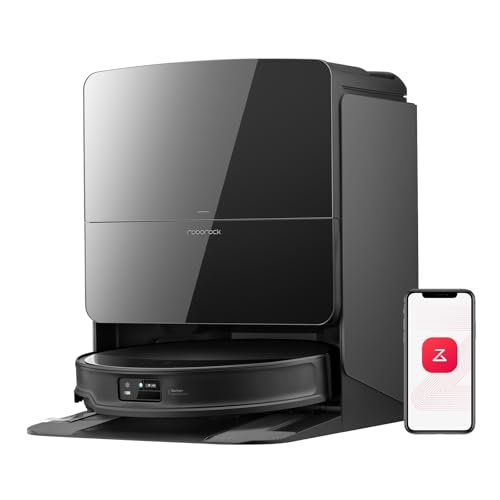
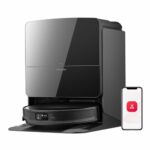
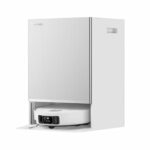
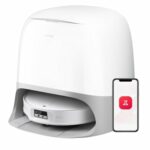
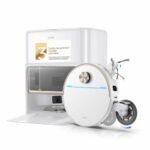
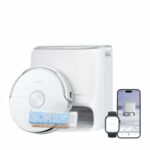
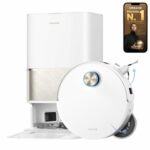
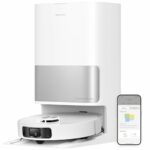
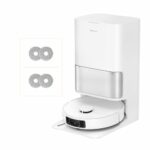
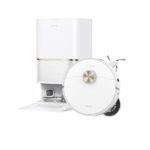
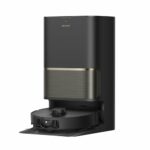
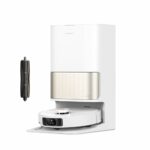
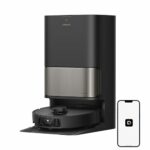
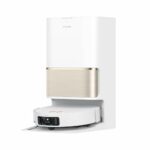
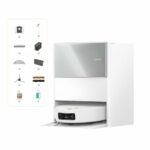
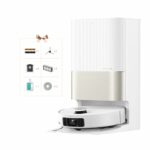
When looking at the latest entries in the premium robot vacuum market, the DJI Romo P and the Roborock Saros 10R represent two distinct approaches to automated home cleaning. DJI, known for its drone technology, has made a bold entrance into the robot vacuum sector with the Romo P, whilst Roborock continues to refine its established expertise with the Saros 10R. Both launched in 2025, these models feature multifunction bases capable of washing and drying mops, making them suitable for households seeking comprehensive floor maintenance without constant manual intervention.
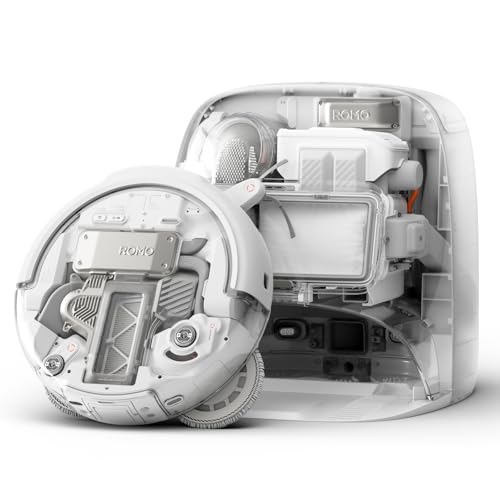
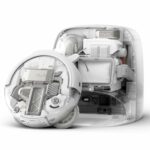
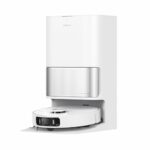
The DJI model stands out with its transparent base design and impressive 25,000 Pa suction power, whilst the Roborock brings its proven StarSight navigation and refined DuoDivide anti-tangle brush system. For larger homes with varied flooring types, both robots offer 180 minutes of autonomy and advanced AI-driven cleaning strategies.
Power and Suction
The DJI Romo P pushes suction performance to 25,000 Pa, a significant advantage over the Roborock Saros 10R's 18,500 Pa. In practice, this extra power becomes noticeable when dealing with deep-pile rugs or stubborn debris embedded in carpet fibres. For homes with multiple carpets or pets that shed heavily, the additional suction headroom can make weekly cleaning more thorough.
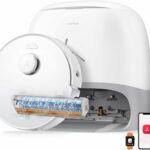
Both robots feature divided brush designs that channel hair towards the central suction path, reducing tangles. The DJI employs a Divided Brush system, whilst Roborock uses its DuoDivide anti-enredos technology. These designs work similarly to prevent long hair from wrapping around the roller, though the specific engineering differs between manufacturers.
Where the models diverge is in side brush handling. The Roborock Saros 10R can lift its side brush during mopping, preventing a wet brush from flicking water onto carpets or skirting boards. The DJI Romo P lacks this feature, though it does offer an extensible side brush to reach into corners more effectively. Both models provide dual anti-tangle side brushes, which helps when cleaning around chair legs or table bases where debris tends to accumulate.
Mopping
Both robots use dual rotating mop pads that extend outwards to clean closer to walls and furniture edges. The DJI Romo P lifts its mops when needed, whilst the Roborock Saros 10R offers more precise control with a lift range between 12 and 22 mm. This adjustability matters when transitioning between different floor types or when the robot needs to cross thicker rugs without dragging wet mops across them.
A notable difference lies in mopping temperature. The Roborock Saros 10R uses warm water for floor cleaning, which can help dissolve greasy marks or sticky residues more effectively than cold water. The DJI Romo P relies on cold water for mopping, though it compensates with dual detergent tanks in its base, allowing for separate cleaning solutions tailored to different floor types or cleaning tasks.
The Roborock can automatically dismount its mop pads at the base when switching to vacuum-only mode, a feature that saves time if you want to clean carpeted areas without manually removing the mops. Both robots detect dirt on their mop pads and on the floor itself, triggering additional cleaning passes when necessary. This adaptive approach ensures heavily soiled areas receive extra attention without requiring manual intervention.
Navigation System
The DJI Romo P uses solid-state LiDAR for mapping, whilst the Roborock Saros 10R employs its StarSight 2.0 system. Both incorporate AI-powered cameras and 3D laser sensors at the front to identify and avoid obstacles in real time. The Roborock takes this further by recognising up to 108 distinct object types, including specific pet recognition capabilities. This level of detail helps the robot adjust its cleaning strategy around delicate items or avoid disturbing sleeping pets.
Both models feature LED lighting for navigation in dim conditions and offer remote camera access through their respective apps, allowing you to check on your home whilst away. The Roborock's SmartPlan 2.0 system and RR Mason 11.0 algorithm provide refined route planning based on room type and furniture layout, though the DJI also offers intelligent AI cleaning with stain recognition.
Battery and Autonomy
The Roborock Saros 10R houses a 6,400 mAh battery compared to the DJI Romo P's 5,000 mAh capacity. Despite this difference, both robots deliver the same 180 minutes of runtime, suggesting the DJI achieves greater efficiency per milliamp-hour, possibly due to different motor management or navigation algorithms.
For typical homes, 180 minutes provides ample time to cover large floor areas in a single session. Neither manufacturer specifies maximum coverage area in the data provided, but this runtime comfortably handles multi-room layouts without requiring a mid-clean recharge.
Smart Features
The DJI Romo P can climb obstacles up to 20 mm high, whilst the Roborock Saros 10R handles simple steps and similar obstacles. This capability matters when dealing with thick door thresholds, bathroom transitions, or raised floor vents that might otherwise trap a less capable robot.
The Roborock includes its own built-in voice assistant alongside compatibility with external systems like Alexa and Google Home. The DJI supports external voice assistants, though whether it includes a proprietary assistant isn't specified in the available data. For households already invested in smart home ecosystems, both integrate smoothly with existing voice control setups.
Multifunction Base
Both bases handle the essential tasks of auto-emptying dust, washing mop pads, and drying them afterwards. The Roborock washes mops with hot water and dries them using heated air, which accelerates drying and reduces the risk of mildew or unpleasant odours. The DJI also uses heated air for drying but washes mops with cold water.
A distinctive feature of the DJI base is UV disinfection, which treats the cleaned mop pads to eliminate bacteria. This adds an extra hygiene layer, particularly valuable in homes with young children or allergy concerns. The Roborock lacks UV treatment but compensates with its upgraded 2.0 self-cleaning tray system, which maintains the base's internal hygiene more effectively.
The DJI's dual detergent tanks allow for separate cleaning solutions—perhaps one for daily maintenance and another for deeper cleaning or specific floor types. The Roborock features a single detergent tank, which suffices for most households but offers less flexibility. Both bases hold 4 litres of clean water. The DJI's dirty water tank is slightly larger at 3.2 litres versus 3 litres for the Roborock, and its dust bag capacity is 2.4 litres compared to Roborock's 2.5 litres. These differences are marginal in everyday use.
Dimensions
Height becomes critical when considering furniture clearance. The Roborock Saros 10R measures just 79.8 mm tall, allowing it to slip beneath most sofas, beds, and low-profile cabinets. The DJI Romo P stands at 98 mm, which may prevent access under lower furniture. For homes with minimal floor clearance, this 18 mm difference can determine whether certain areas get cleaned regularly or remain inaccessible.
Both robots have similar diameters—351 mm for the DJI and 353 mm for the Roborock—so they navigate doorways and tight spaces comparably. The DJI's base is wider at 453 mm but shorter at 440 mm, whilst the Roborock base is narrower at 381 mm but taller at 488 mm. Depending on your available floor space, one configuration may fit better against a wall or in a utility corner.
Real-World Use
For homes with pets that shed continuously, the DJI Romo P's superior 25,000 Pa suction provides an edge when tackling embedded fur in carpets. Its anti-tangle brush design and dual side brushes handle hair well, though the lack of a liftable side brush means you'll want to ensure carpets are clearly mapped to avoid wet brush marks during mopping.
The Roborock Saros 10R excels in homes with varied flooring and low furniture. Its 79.8 mm profile reaches under more spaces, and the warm water mopping delivers better results on sticky kitchen spills or bathroom grime. The ability to automatically remove mops at the base simplifies switching between carpet-heavy and hard-floor-heavy cleaning sessions.
Both robots handle large homes comfortably with their 180-minute runtime and intelligent navigation. The DJI's dual detergent system suits households wanting tailored cleaning solutions for different rooms—perhaps a gentle formula for hardwood and a stronger one for tiled areas. The Roborock's extensive object recognition and pet detection make it particularly well-suited to busy family homes where toys, shoes, and pet bowls are frequently left on the floor.
Conclusion: Which to Choose?
Choose the DJI Romo P if: you prioritise maximum suction power for deep carpet cleaning, want UV disinfection for added hygiene, or need dual detergent tanks to manage different floor types with specific cleaning solutions. The transparent base design also appeals if aesthetics matter in your home layout.
Choose the Roborock Saros 10R if: you have low-clearance furniture that requires a slimmer robot, prefer warm water mopping for better stain removal, or value the convenience of automatic mop removal when switching to vacuum-only mode. Its comprehensive object recognition and proven navigation system make it ideal for complex, multi-room homes with pets and children.
Ultimately, the decision rests on whether raw suction power and hygiene features outweigh profile height and warm water mopping in your specific circumstances. Both represent capable, premium options in the 2025 robot vacuum market, each with strengths that suit different household priorities.