✨ VS Analyses · VacuumSpain comparison technology. Explanation created with AI from verified technical data.
Introduction
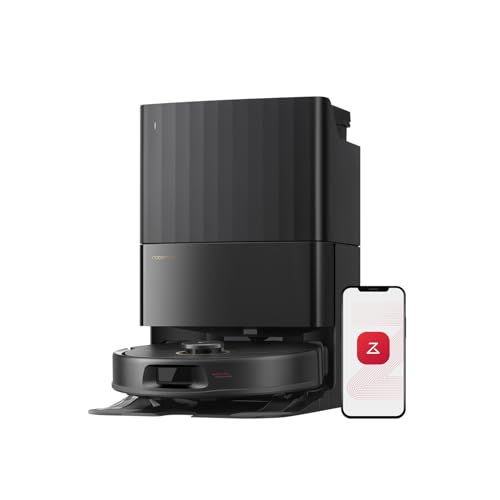
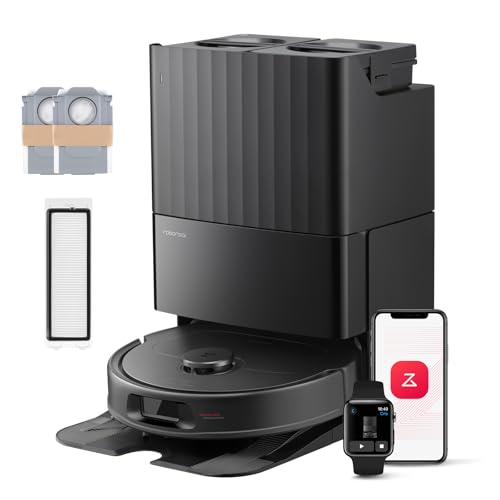
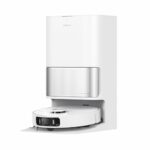
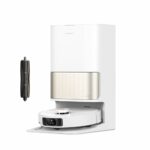
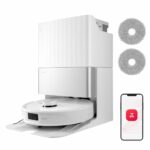
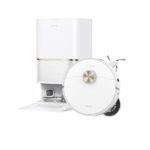
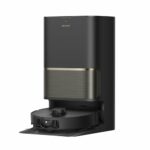
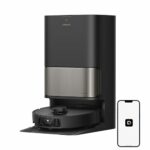
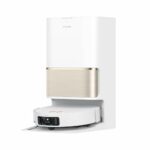
The Roborock Qrevo S5V and Roborock QV 35S represent the brand's 2025 lineup, both equipped with multifunction bases that handle automatic emptying, mop washing, and drying. These models share the same platform but diverge in key areas that affect cleaning performance. Both feature 5,200 mAh batteries delivering 180 minutes of runtime, making them suitable for medium to large homes. The choice between them hinges on specific technical differences that impact how thoroughly they clean edges and the overall suction power available.
Understanding these distinctions helps identify which model fits different household needs. Roborock maintains its reputation for reliable navigation and solid build quality across both units, but the variations in brush design and suction capacity create meaningful differences in daily use.
Suction Power and Brushing
The Qrevo S5V pushes suction to 12,000 Pa, giving it a noticeable advantage over the QV 35S's 10,000 Pa. This difference becomes relevant when dealing with embedded dirt in carpets or heavy debris pickup. Both robots can climb 20 mm obstacles, but the extra suction on the S5V translates to more effective cleaning on textured surfaces.
Where the models truly diverge is in brush technology. The Qrevo S5V employs Roborock's DuoDivide anti-tangle brush, designed to channel hair towards the central suction point rather than wrapping it around the roller. This matters significantly in homes with long hair or pets. The QV 35S relies on a standard brush without this specialised design, which means more frequent maintenance to remove tangled hair.
Both units include anti-tangle side brushes, but neither offers extendable or lifting side brushes. The main brush doesn't lift during mopping on either model, which is typical at this price point.
Mopping Performance
Both robots use dual rotating mops with 10 mm lift capability, allowing them to tackle mixed flooring without dragging wet mops over carpets. The crucial difference lies in the Qrevo S5V's extendable mop system, which pushes one mop outward to reach closer to walls and furniture legs. The QV 35S keeps its mops at a fixed width, leaving a small gap along edges that requires manual cleaning.
Neither model offers automatic mop removal at the base, meaning you'll need to manually detach them if you want a vacuum-only session. Both use cold water for floor mopping and lack dirt detection sensors that would trigger re-cleaning of heavily soiled areas. The 80 ml onboard water tanks are identical, as is the absence of heated water for floor cleaning.
In the base station, mop washing occurs with cold water on both units. The distinction appears in drying: the Qrevo S5V uses hot air to dry the mops after cleaning, which speeds up the process and helps prevent odours. The QV 35S dries with ambient air, taking longer and potentially leaving mops slightly damp between sessions.
Navigation System
Both models navigate using a 360-degree LiDAR turret for mapping and route planning. They share the SmartPlan 1.0 system, which optimises cleaning sequences based on room layout. Obstacle avoidance is present on both, though neither includes AI cameras, 3D laser sensors, or pet recognition features found on higher-tier models.
Remote camera access isn't available, and there's no LED lighting for low-light navigation. These are straightforward mapping robots that rely on laser distance measurement rather than visual intelligence. For most homes with predictable layouts, this proves sufficient. Integration with Alexa and Google Home works on both units for voice control.
Battery and Autonomy
Identical 5,200 mAh batteries power both robots, delivering 180 minutes of runtime. This should cover approximately 200-250 square metres in a single session, depending on floor type and cleaning mode intensity. Charging time isn't specified in the data, but the capacity suggests both handle large homes without mid-clean recharging.
The similar battery specs mean autonomy won't be a deciding factor between these models. Both return to base automatically when depleted and resume cleaning where they left off if the job isn't finished.
Smart Features
The 20 mm obstacle-climbing capability on both robots allows them to transition over door thresholds and thick rug edges without getting stuck. Neither includes a robotic arm for object manipulation or a proprietary voice assistant. Voice commands work through third-party platforms like Alexa and Google Assistant.
The SmartPlan 1.0 system analyses room shapes and furniture placement to determine efficient cleaning paths, though it doesn't incorporate AI-based dirt detection or adaptive suction adjustments based on floor type.
Multifunction Base Station
Both bases handle automatic dust emptying into 2.7-litre bags, mop washing, and drying. Water tank capacities match at 4 litres for clean water and 3.5 litres for dirty water, sufficient for multiple cleaning cycles before refilling. Neither base includes self-cleaning of the wash tray, UV disinfection, or detergent dispensers.
The key difference remains in mop drying technology. Hot air drying on the Qrevo S5V ensures mops are ready faster and reduces the risk of mildew developing between uses. Cold air drying on the QV 35S works but takes considerably longer. Neither offers plumbing connection kits for continuous water supply, though such kits aren't available even as optional accessories for these models.
Physical Dimensions
Both robots measure 353 mm in diameter and 96.5 mm in height, making them identical in footprint. This height allows them to slide under most furniture with standard clearance. The 330 ml dust bins and 80 ml water tanks are the same size across both models.
Base stations share dimensions as well: 340 mm wide, 521 mm tall, and 487 mm deep. You'll need similar floor space for either unit, typically in a corner with access to a power outlet.
Real-World Usage Considerations
For homes with pets or residents with long hair, the DuoDivide brush on the Qrevo S5V reduces maintenance frequency significantly. The standard brush on the QV 35S requires more regular cleaning to maintain performance. The higher suction on the S5V also benefits households with thick carpets or frequent heavy debris.
The extendable mop feature matters most in homes with lots of furniture or complex floor plans where edge cleaning makes a visible difference. Open-plan spaces with fewer obstacles won't see as much benefit from this feature. Hot air drying becomes more valuable in humid climates where cold air drying might leave mops damp.
Both models handle mixed flooring adequately with their 10 mm mop lift, and the 180-minute battery suits homes up to 200 square metres comfortably. The identical navigation systems mean route efficiency and mapping accuracy won't differ between them.
Conclusion: Which to Choose?
Choose the Roborock Qrevo S5V if: you have pets or long hair in the household and want to minimise brush maintenance, need stronger suction for deep carpet cleaning, want thorough edge mopping with the extendable mop system, or prefer faster mop drying with hot air to prevent odours. This model suits larger homes with complex layouts where edge cleaning matters.
Choose the Roborock QV 35S if: you have mostly hard floors with minimal carpeting, don't have significant pet hair concerns, can manage with standard edge cleaning, and want to save on the initial purchase price whilst still getting a capable robot with a multifunction base. This works well for smaller homes or those with simpler floor plans.
The Qrevo S5V represents the more complete package with meaningful upgrades in suction, brush technology, edge cleaning, and mop drying. The QV 35S delivers solid performance at a lower price point but requires accepting compromises in those specific areas. For households prioritising low maintenance and thorough cleaning, the S5V justifies its premium. Budget-conscious buyers without pets can find good value in the QV 35S.