✨ VS Analyses · VacuumSpain comparison technology. Explanation created with AI from verified technical data.
Introduction
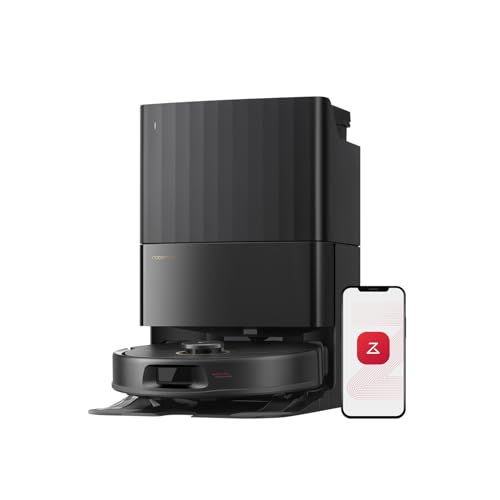
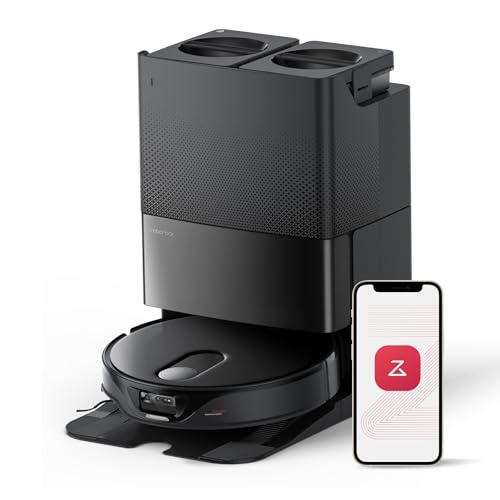
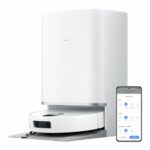
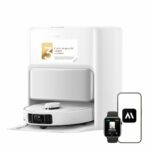
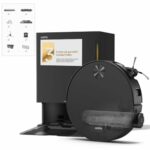
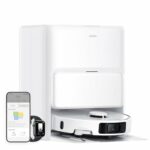
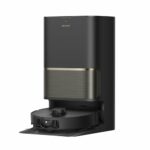
The Roborock Qrevo S5V and Roborock Qrevo Slim represent two distinct approaches within Roborock's 2024-2025 lineup. The S5V arrives as a 2025 release with a traditional LiDAR tower design, whilst the Slim launched in 2024 with a focus on compact dimensions and enhanced artificial intelligence. Both feature multifunctional bases with hot air drying and rotating mopping systems, making them suitable for homes requiring comprehensive floor maintenance.
These models share the same battery capacity and base dimensions, but differ significantly in their navigation technology, height profile, and intelligent features. The choice between them often comes down to whether you prioritise fitting under low furniture or prefer advanced AI-powered cleaning with visual recognition capabilities.
Power and Suction
The Roborock Qrevo S5V delivers 12,000 Pa of suction power, giving it a slight edge over the Slim's 11,000 Pa. In practice, this thousand-pascal difference might prove noticeable when tackling deeply embedded dirt in carpet fibres or picking up heavier debris like cat litter.
Where the models truly diverge is in their brush configuration. The S5V employs Roborock's DuoDivide anti-tangle brush, which channels hair towards the central suction point to minimise tangling. This makes it particularly effective for homes with long-haired occupants or shedding pets. The Slim uses a dual silicone brush setup that also reduces hair wrapping, though without the specific DuoDivide channelling mechanism.
The Slim gains functionality by lifting its main brush during mopping operations, preventing the roller from interfering with wet cleaning. The S5V keeps its brush engaged throughout. For side brush performance, the Slim extends its single brush outward to reach into corners more effectively, whilst the S5V compensates with anti-tangle technology on its side brush to prevent hair accumulation during operation.
Neither model lifts its side brush when mopping, which means both continue sweeping edges even during wet cleaning cycles.
Mopping Performance
Both robots use dual rotating mopas that extend outward to clean right up to skirting boards. Each can lift its mopas 10 mm when encountering carpets or rugs, though neither offers automatic mopa removal at the base for dedicated vacuuming sessions.
The most significant mopping difference lies in the base functionality. The Slim washes its mopas with heated water, which helps break down stubborn grime and dried-on spills more effectively than the S5V's cold water washing system. Both dry the mopas using hot air, preventing odours and bacterial growth between cleaning sessions.
The Slim introduces dirt detection technology that monitors both the mopas themselves and the floor surface. When it identifies particularly soiled areas, it automatically increases cleaning intensity or makes additional passes. The S5V lacks this adaptive cleaning capability, maintaining consistent mopping patterns regardless of floor condition.
Both models mop with cold water drawn from their bases. Some premium robots include heated water tanks for floor cleaning, but neither of these models offers that feature.
Navigation System
This is where the two models diverge most dramatically. The S5V uses a traditional 3.0 LiDAR tower mounted on top of the robot, providing reliable room mapping and efficient route planning through laser distance measurement. It's a proven technology that works consistently in all lighting conditions.
The Slim takes a fundamentally different approach with its StarSight 1.0 system, combining dual AI cameras with 3D laser sensors positioned at the front of the robot. This setup enables it to recognise 73 different types of obstacles—from shoes and cables to furniture legs and pet waste. The system can identify pets specifically, allowing for customised cleaning behaviours around animals.
The Slim's dual cameras enable remote viewing through the app, essentially turning the robot into a mobile home monitor when you're away. LED lights provide night vision capability, making this feature practical even in darkened rooms. The S5V offers no camera functionality whatsoever.
Both robots run SmartPlan 1.0 for intelligent cleaning scheduling, but the Slim's RR Mason 11.0 processor handles considerably more visual data processing than the S5V's system. In practical terms, the Slim should navigate more confidently around complex floor clutter, whilst the S5V excels at pure mapping speed and consistency.
Battery and Autonomy
Both models share identical 5,200 mAh batteries delivering 180 minutes of runtime. This autonomy proves sufficient for homes up to around 180-200 square metres on a single charge, assuming mixed vacuuming and mopping tasks.
The table doesn't specify charging times for either model, but with matched battery capacities, you can expect similar recharge durations. Both robots automatically return to their bases when battery levels drop, resuming cleaning once recharged if the job remains incomplete.
Intelligent Features
Both robots can climb obstacles up to 20 mm high, allowing them to transition between rooms with different flooring levels or navigate over door thresholds and thick rug edges without getting stuck.
The Slim includes its own built-in voice assistant, enabling direct voice commands without routing through external smart home ecosystems. The S5V requires connection to Alexa or Google Home for voice control. Both support these external assistants, but the Slim's integrated option adds convenience for quick commands when you're nearby.
Neither model features a robotic arm for advanced object manipulation or automatic mopa changing systems.
Multifunctional Base Station
Both bases share the same physical footprint at 340 mm wide, 521 mm tall, and 487 mm deep. Each automatically empties the robot's dustbin into a 2.7-litre disposal bag, washes the mopas after cleaning, and dries them with heated air.
The key difference appears in base maintenance. The Slim's 1.0 automatic tray cleaning system periodically flushes and cleans the washing tray where mopas are scrubbed, reducing manual maintenance requirements. The S5V requires you to clean this tray manually to prevent residue buildup and maintain washing effectiveness.
Both bases hold 4 litres of clean water and 3.5 litres of dirty water. Neither includes a detergent dispenser, UV disinfection, or the option to connect directly to household plumbing—features found on some ultra-premium models. No optional plumbing connection kit is available for either model.
Physical Dimensions
Here lies one of the most practical differences between these robots. The Slim lives up to its name at just 82 mm tall, making it one of the lowest-profile robots Roborock produces. The S5V stands 96.5 mm tall due to its protruding LiDAR tower.
That 14.5 mm difference determines whether these robots can access the space beneath your furniture. Many sofas, beds, and cabinets sit between 85-95 mm off the floor, meaning the Slim can clean underneath whilst the S5V cannot. If you've got low-clearance furniture, this dimension becomes the deciding factor.
Both share a 353 mm diameter, typical for modern robot vacuums. Weight specifications aren't provided in the data, though the S5V's larger onboard dustbin (330 ml versus 220 ml) suggests it may carry slightly more mass.
Real-World Usage Scenarios
The S5V suits homes where raw suction power and larger dust capacity matter more than fitting under furniture. Its 330 ml bin holds more debris between emptying cycles, useful for larger properties or homes with multiple shedding pets. The DuoDivide brush excels at managing hair, whilst the anti-tangle side brush reduces maintenance frequency.
The Slim targets users who value intelligent navigation and low-profile access. Its 82 mm height opens up cleaning zones the S5V simply cannot reach. The hot water mopa washing and dirt detection systems deliver more thorough mopping results, particularly valuable for kitchens and high-traffic areas where spills and tracked-in dirt accumulate.
For pet owners, both models handle hair effectively through their brush designs, but the Slim's ability to visually recognise pets and its remote camera viewing add practical benefits. You can check on animals whilst away or ensure the robot avoids areas where pets are resting.
The Slim's smaller 220 ml dustbin means more frequent auto-emptying cycles, though with the 2.7-litre base bag, this rarely becomes an issue in normal-sized homes. The S5V's extra 110 ml of onboard capacity extends the interval slightly between base visits during pure vacuuming sessions.
Conclusion: Which Should You Choose?
Choose the Roborock Qrevo S5V if: You prioritise maximum suction power and don't have low-clearance furniture. The larger dustbin suits homes with heavy shedding or larger floor areas, whilst the traditional LiDAR navigation provides reliable, proven mapping technology. It's the practical choice when furniture clearance isn't a concern and you want straightforward, powerful cleaning without needing advanced AI features or camera monitoring.
Choose the Roborock Qrevo Slim if: You need to clean under low furniture, want the most advanced navigation technology Roborock offers in this range, or value intelligent features like dirt detection and remote camera access. The hot water mopa washing delivers superior mopping results, whilst the 82 mm height opens up cleaning zones taller robots miss entirely. Pet owners benefit from visual recognition and monitoring capabilities. It's the better option for tech-focused users who want adaptive cleaning intelligence and the slimmest profile possible, even if it means sacrificing a bit of suction power and dustbin capacity.