✨ VS Analyze · VacuumSpain comparison technology. AI-generated explanation based on verified technical data.
Introduction
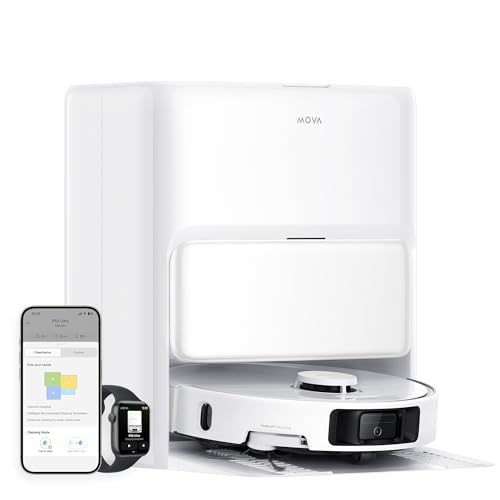
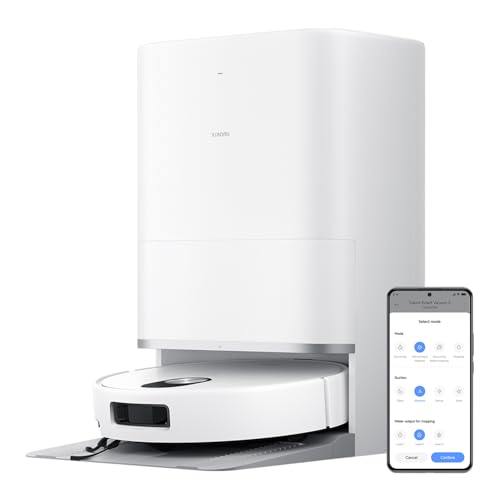
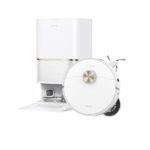
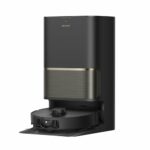
The Mova P50 Ultra and the Xiaomi Robot Vacuum 5 represent two of the most capable cleaning solutions launching in 2025. Both models arrive equipped with multifunctional bases that handle automatic emptying, mop washing, and drying—features that separate entry-level machines from genuinely hands-off systems. These aren't budget offerings; they're designed for users who want comprehensive floor care without daily intervention.
What makes this matchup particularly interesting is the shared DNA. Mova operates as a secondary brand under the Dreame umbrella, and Dreame manufactures many of Xiaomi's robots. That relationship means both devices benefit from similar engineering expertise, yet each takes distinct approaches to suction power, navigation hardware, and physical design. The P50 Ultra pushes 19,000 Pa whilst the Xiaomi model reaches 20,000 Pa, and their navigation systems differ in meaningful ways despite both relying on LiDAR technology.
For anyone managing medium to large homes with mixed flooring—hardwood, tile, low-pile carpet—either machine should handle the workload. The real question comes down to which specific features align with your layout and cleaning priorities.
Power and Suction Performance
The Xiaomi Robot Vacuum 5 edges ahead with 20,000 Pa of suction, a 1,000 Pa advantage over the Mova P50 Ultra's 19,000 Pa. In daily use, that difference matters most on carpets and rugs where embedded debris requires aggressive airflow. Both figures sit comfortably in the high-performance bracket for 2025, so neither machine will struggle with typical household dust, crumbs, or pet hair on hard floors.
Where the two diverge more noticeably is brush design. The Xiaomi employs TriCut 3.0, which combines bristles with integrated cutting blades to slice through tangled hair before it wraps around the roller. This design reduces maintenance frequency, especially in homes with long-haired occupants or shedding pets. The Mova P50 Ultra uses a simpler brush roller, which can still handle hair but may require more frequent manual cleaning to prevent clogs.
The P50 Ultra gains ground with its brush lift system. Both the main roller and side brush elevate when mopping mode activates, preventing wet brushes from dragging across already-cleaned floors or spreading dirty water. The Xiaomi lacks this feature entirely—neither brush lifts during mopping. For homes that rely heavily on the mopping function, this could mean less effective separation between vacuuming and wet cleaning phases.
Both machines include extendable side brushes to reach into corners more effectively, and both feature anti-tangle designs on the side brush to minimise hair wrap. In practice, this helps maintain consistent edge cleaning without frequent brush removal.
Mopping System
Each robot uses dual rotating mop pads, a configuration that applies consistent pressure and scrubbing action across the floor. The Mova P50 Ultra incorporates Roboswing, a mechanism that shifts the robot's rear end slightly to push the mop pads further under cabinet toe kicks and along wall edges. The Xiaomi extends its mops outward but doesn't include the swinging motion, so it relies purely on the physical extension to reach tight spots.
Mop lift height differs between the two. The Xiaomi raises its pads 15 mm when crossing carpets or returning to the base, whilst the Mova lifts 10.5 mm. That extra 4.5 mm on the Xiaomi provides better clearance for medium-pile rugs and reduces the chance of damp pads brushing carpet fibres. If your home includes thicker rugs in high-traffic zones, the Xiaomi's greater lift could prove more practical.
Both bases wash mops with hot water and dry them using heated air, which accelerates drying time and discourages bacterial growth. Neither model automatically detaches the mop pads at the base when you want to run a vacuum-only cycle, so you'll need to remove them manually if you prefer not to drag damp pads across carpets. Neither system includes dirt detection on the mops or floor, meaning they won't automatically re-scrub heavily soiled areas without manual instruction.
Navigation System
The Mova P50 Ultra mounts a 3D LiDAR turret on top, whilst the Xiaomi uses a retractable LiDAR module that lowers when not actively scanning. The retractable design on the Xiaomi contributes to its lower overall height—88 mm versus 97 mm on the Mova—which can make a real difference when squeezing under low-clearance furniture.
Both robots pair LiDAR with front-facing 3D laser sensors to detect and avoid obstacles in real time. Neither includes a front-facing camera for visual recognition, so they rely on structured light and time-of-flight sensors rather than image processing. This approach works well for identifying chair legs, shoes, and cables, though neither model specifies the exact number of object types it can recognise.
The P50 Ultra includes curtain detection, allowing it to navigate around hanging fabric without becoming tangled. The Xiaomi lacks this specific feature, which could be relevant if you have floor-length drapes in living areas. Neither robot offers pet recognition or remote camera access, so you won't be able to check in on your home via a live video feed.
Both machines integrate AI-driven cleaning logic—CleanGenius AI on the Mova, and a similar intelligent system on the Xiaomi—that adjusts suction and mopping intensity based on room type and detected floor conditions. Neither provides AI-based stain recognition, so they won't automatically identify and re-clean visible spills without user input.
Battery and Autonomy
Each robot houses a 5,200 mAh battery, but only the Xiaomi Robot Vacuum 5 specifies runtime: 140 minutes on a single charge. The Mova P50 Ultra doesn't list autonomy figures, though identical battery capacity suggests similar performance under comparable conditions. Runtime will vary depending on suction level, mopping mode, and floor type, so expect shorter sessions when running maximum power on carpet.
Neither model discloses charging time, but both will automatically return to the base when power runs low and resume cleaning once recharged. For larger homes, this recharge-and-resume behaviour becomes essential, particularly if you're covering more than 150 square metres in a single session.
Smart Features
The Mova P50 Ultra can climb obstacles up to 22 mm high, whilst the Xiaomi manages 20 mm. That 2 mm difference sounds minor, but it can determine whether the robot clears thick door thresholds, raised floor vents, or certain rug edges without getting stuck. If your home includes multiple level transitions, the Mova's slightly greater clearance may reduce intervention.
Neither machine includes a robotic arm for picking up small objects or a built-in voice assistant. Both do support external voice control through Alexa and Google Home, so you can start, stop, or dock the robot using voice commands through your existing smart home setup.
Multifunction Base
Both bases handle the full cleaning cycle: automatic dust extraction into a sealed bag, hot water mop washing, and heated air drying. The Mova P50 Ultra includes third-generation self-cleaning for the washing tray, whilst the Xiaomi also cleans its tray but doesn't specify the generation of the system. In practice, this feature prevents mould and odour build-up inside the base itself, reducing the need for manual scrubbing.
The P50 Ultra offers an optional detergent dispenser that you purchase separately. The Xiaomi doesn't support detergent addition at all, so you'll rely on water alone for mopping. If you prefer using cleaning solution for stubborn grime or want a fresh scent after each cycle, the Mova's optional add-on provides that flexibility.
Dust bag capacity differs: 3.2 litres in the Mova base versus 2.5 litres in the Xiaomi. That extra 0.7 litres means fewer bag changes over time, which can add up in homes with heavy shedding or frequent vacuuming. Both bases hold 4 litres of clean water, but the dirty water tank is slightly larger on the Xiaomi (3.8 litres) compared to the Mova (3.5 litres).
Neither base includes UV disinfection or integrated plumbing connections. Neither offers a separately purchased kit for water line hookup, so you'll refill and empty tanks manually.
Physical Dimensions
Both robots measure 350 mm in diameter, but the Xiaomi stands 88 mm tall whilst the Mova reaches 97 mm. That 9 mm difference translates directly into furniture clearance. If you have sofas, beds, or cabinets with tight underbelly space, the Xiaomi's lower profile increases the chance it can navigate underneath without getting wedged.
The bases occupy different footprints. The Mova P50 Ultra base measures 420 mm wide, 470 mm tall, and 458 mm deep. The Xiaomi base is narrower at 360 mm but taller at 572 mm, with a depth of 470 mm. The Mova base spreads wider but sits lower, whilst the Xiaomi base is more compact in width but extends higher. Consider your available floor space and any overhead shelving when deciding which footprint suits your layout.
Real-World Use
For larger homes with multiple floor types, the Xiaomi's 15 mm mop lift and 20,000 Pa suction offer slightly more versatility when transitioning between hard floors and medium-pile carpets. The TriCut 3.0 brush also reduces hair maintenance, which becomes more noticeable in homes with pets or long-haired family members.
The Mova P50 Ultra's brush lift system and Roboswing extension make it better suited for thorough mopping, especially in kitchens and bathrooms where edge cleaning matters. The 22 mm obstacle clearance helps in homes with varied flooring transitions, and the larger dust bag capacity reduces how often you'll need to replace bags—useful if you're vacuuming daily or managing heavy pet hair.
If your furniture sits low to the ground, the Xiaomi's 88 mm height gives it a clear advantage. For homes with floor-length curtains, the Mova's curtain detection prevents tangling. The Mova's optional detergent dispenser adds flexibility for users who prefer cleaning solution, though you'll need to purchase that accessory separately.
Conclusion: Which to Choose?
Choose the Mova P50 Ultra if: you prioritise mopping performance with brush lift and Roboswing for better edge cleaning, need to clear 22 mm obstacles regularly, prefer a larger dust bag to reduce maintenance frequency, or want the option to add detergent for mopping. It's also the better pick if you have curtains that reach the floor and want to avoid tangling.
Choose the Xiaomi Robot Vacuum 5 if: you need the lowest possible profile to fit under tight furniture, want the highest suction power at 20,000 Pa, prefer the hair-cutting TriCut 3.0 brush to minimise maintenance, or require 15 mm mop lift for thicker rugs. The narrower base footprint also suits tighter spaces, and the extra dirty water capacity means fewer mid-clean interruptions.
Both machines deliver comprehensive cleaning with minimal daily involvement. The Xiaomi edges ahead on raw power and low-profile access, whilst the Mova offers more refined mopping features and greater obstacle clearance. Match your choice to your home's specific layout and whether you value suction strength or mopping thoroughness more highly.