✨ VS Analyses · VacuumSpain comparison technology. Explanation created with AI from verified technical data.
Introduction
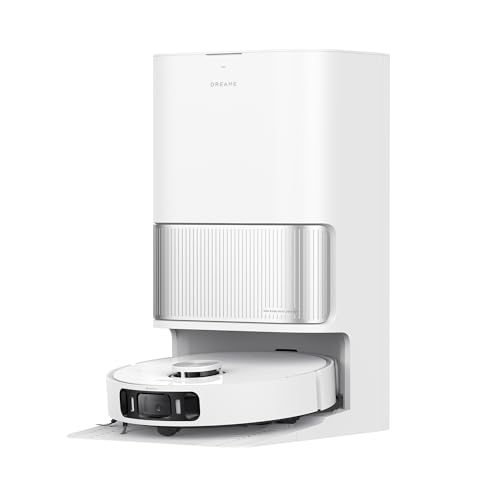
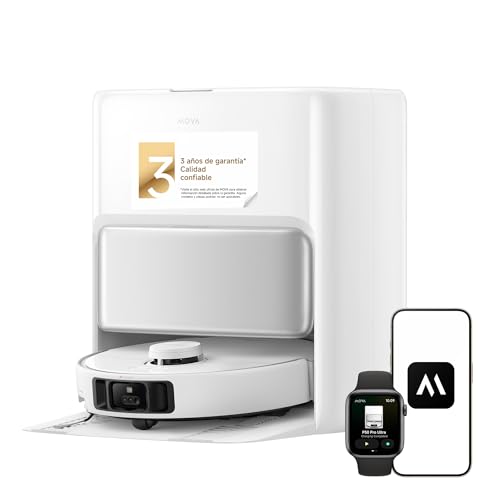
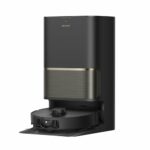
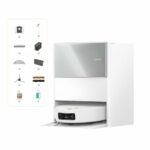
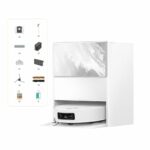
The Dreame L40 Ultra AE and Mova P50 Pro Ultra represent two of the most advanced robot vacuum cleaners launching in 2025. Both models come equipped with comprehensive cleaning stations and premium specifications that position them in the high-end segment of the market. What makes this comparison particularly interesting is that Mova operates as Dreame's second brand, which explains the shared DNA between these two models whilst incorporating distinct differences that could influence your purchasing decision.
These are complete cleaning solutions designed for households seeking minimal maintenance and maximum automation. With 19,000 Pa suction power and multifunctional bases that handle mop washing and drying, both models target users who want professional-grade floor cleaning without the hassle of constant intervention. The question becomes which specific features matter most for your home environment.
Power and Suction
Both models deliver identical 19,000 Pa suction power and utilise the TriCut 3.0 brush system, which combines bristles with integrated blades to cut through tangled hair. This makes them equally capable of handling pet hair and debris on various floor types. The main brush lifts on both units during mopping to prevent wet debris from contaminating the brush roller.
Where these models diverge is in their side brush implementation. The Mova P50 Pro Ultra employs an extendable side brush that reaches further into corners and along edges, a feature the Dreame L40 Ultra AE lacks. More significantly, Mova's side brush lifts during mopping operations and incorporates anti-tangle technology. The Dreame's side brush remains fixed and doesn't include these refinements.
In practical terms, the Mova should perform better at collecting debris from room perimeters and corners, whilst also reducing the maintenance burden of removing tangled hair from the side brush. These aren't trivial differences for homes with pets or large floor areas where edge cleaning matters.
Mopping Performance
The mopping systems share considerable common ground. Both utilise dual rotating mops with extension capabilities and the RoboSwing movement system, which allows the robot to angle itself slightly to push mops under furniture edges and overhangs. Mop elevation reaches 10.5 mm on both models, sufficient for crossing low-pile rugs without dragging wet pads across them.
The bases wash mops with hot water and dry them using heated air, which accelerates drying times and helps prevent bacterial growth and unpleasant odours. Both stations include detergent dispensers and can detect when mops are dirty, triggering additional washing cycles during cleaning sessions. They also detect floor soiling and will re-clean heavily soiled areas automatically.
The Mova P50 Pro Ultra introduces one meaningful advantage: it can automatically remove its mops at the base when you want vacuum-only cleaning. The Dreame L40 Ultra AE requires manual mop removal for this purpose. For households that frequently alternate between mopping and vacuuming tasks, this automation saves time and effort.
Navigation System
Navigation technology is where the Mova P50 Pro Ultra pulls ahead more decisively. Whilst both models use third-generation LiDAR turrets and front-mounted 3D laser sensors for obstacle detection, the Mova incorporates dual AI cameras compared to the Dreame's single camera setup. This translates to superior object recognition: 160 identifiable objects versus 120.
The Mova can detect curtains specifically and adjust its cleaning approach accordingly, preventing entanglement issues that plague some robot vacuums. It also includes AI-powered stain recognition, allowing it to identify and focus on specific marks on your flooring. The Dreame L40 Ultra AE doesn't offer either capability.
Both models provide remote camera access through their respective apps, enabling you to check on your home whilst away. LED lighting supports night vision functionality on both units. For homes with complex layouts, numerous obstacles, or specific cleaning challenges, the Mova's enhanced recognition capabilities provide tangible benefits.
Battery and Autonomy
Battery capacity matches at 5,200 mAh for both models. The Mova P50 Pro Ultra specifies 210 minutes of runtime, though the Dreame L40 Ultra AE doesn't publish this figure. Given the identical battery capacity and similar specifications, expect comparable autonomy in real-world use.
This level of battery capacity comfortably handles large homes, with both robots capable of returning to base for recharging and resuming cleaning automatically if needed. Neither model should struggle with battery limitations in typical residential environments.
Smart Features
The Mova P50 Pro Ultra can climb obstacles up to 22 mm high, slightly exceeding the Dreame L40 Ultra AE's 20 mm capability. This 2 mm difference might seem negligible, but it can determine whether a robot successfully navigates certain door thresholds or floor transitions without getting stuck.
A notable distinction appears in voice control. The Mova includes its own built-in voice assistant, allowing direct voice commands without external smart speakers. The Dreame relies exclusively on Alexa or Google Home integration. For users who prefer minimising their smart home ecosystem or want voice control without additional devices, Mova's approach offers convenience.
Both models feature CleanGenius AI systems that adapt cleaning patterns based on room type, traffic patterns, and detected dirt levels. This intelligent automation reduces the need for manual scheduling adjustments.
Multifunctional Cleaning Base
The bases share core functionality: automatic dustbin emptying into 3.2-litre bags, hot water mop washing, heated air drying, and detergent dispensing. Neither includes UV disinfection or integrated plumbing connections.
The Mova P50 Pro Ultra features third-generation self-cleaning for its washing tray, an advancement over the Dreame's second-generation system. This should reduce maintenance frequency and improve hygiene.
Water tank capacities favour the Dreame L40 Ultra AE: 4.5 litres for clean water and 4 litres for dirty water, compared to Mova's 4 litres and 3.5 litres respectively. Larger tanks mean fewer refills during extensive mopping sessions, particularly beneficial for larger homes.
The Dreame offers an optional pipe connection kit available separately, allowing you to plumbing the base for continuous water supply and drainage. The Mova doesn't provide this accessory. Whilst this requires additional purchase and installation, it represents the ultimate convenience for users wanting truly hands-off operation.
Dimensions
Robot dimensions are nearly identical: 350 mm diameter for both, with the Dreame measuring 97 mm tall versus 103.8 mm for the Mova. That 6.8 mm height difference could matter if you have furniture with minimal clearance. The Dreame should squeeze under slightly lower sofas or cabinets.
Base dimensions tell a different story. The Dreame's station measures 340 mm wide, 590.5 mm tall, and 456.7 mm deep—a taller, narrower footprint. The Mova base spans 420 mm wide, just 470 mm tall, and 458 mm deep—wider but considerably shorter. Your available floor space will determine which configuration suits better. Tighter alcoves might accommodate the Dreame's narrower profile, whilst the Mova's lower height works better under wall-mounted cabinets or shelving.
Real-World Usage Experience
For homes with pets, both models handle hair effectively thanks to TriCut 3.0 brushes, but the Mova's anti-tangle side brush reduces maintenance time. The extendable side brush also improves debris collection along walls where pet hair accumulates.
Larger homes benefit from the Dreame's bigger water tanks, reducing interruptions for refilling during whole-house mopping. The optional plumbing kit extends this advantage further for users willing to invest in permanent installation.
Complex floor plans with varied obstacles favour the Mova's superior object recognition and curtain detection. The extra 2 mm obstacle climbing capability helps with challenging transitions between rooms.
Users seeking maximum automation should consider the Mova's automatic mop removal feature, which eliminates manual intervention when switching between cleaning modes. The integrated voice assistant adds convenience without requiring additional smart home devices.
The Dreame's slimmer profile suits homes with low-clearance furniture, whilst its taller base requires adequate vertical space. Conversely, the Mova needs more width but fits under lower overhead obstacles.
Conclusion: Which Should You Choose?
Choose the Dreame L40 Ultra AE if: you have particularly low furniture requiring a slimmer robot profile, need larger water tank capacity for extensive mopping sessions, want the option to add plumbing connections later, or have a narrow space for the base station. This model delivers excellent core performance at what typically represents slightly better value.
Choose the Mova P50 Pro Ultra if: you prioritise edge and corner cleaning with the extendable side brush, want automatic mop removal for hassle-free mode switching, need enhanced object recognition for complex home layouts, prefer integrated voice control without external devices, or have furniture with challenging thresholds requiring maximum climbing capability. The advanced AI features and refined convenience elements justify consideration for demanding users.
Both represent outstanding options in the robot vacuum market for 2025, sharing Dreame's engineering foundation whilst targeting slightly different priorities. The Mova incorporates more premium convenience features, whilst the Dreame offers practical advantages in capacity and expandability. Your specific home layout, cleaning priorities, and desired automation level should guide this decision.