✨ VS Analyses · VacuumSpain comparison technology. Explanation created with AI from verified technical data.
Introduction
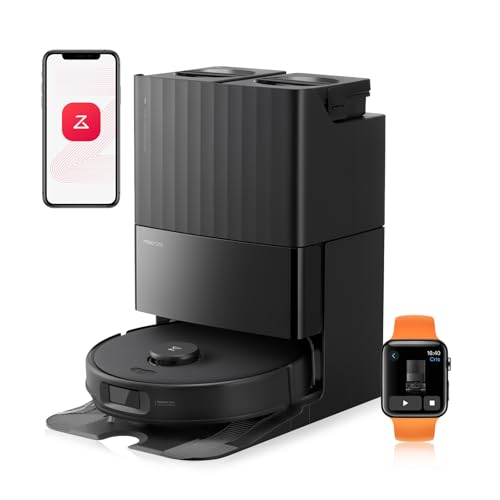
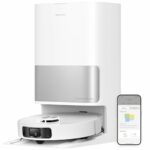
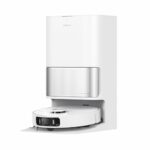
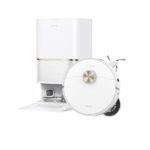
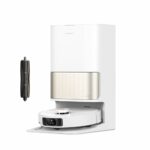
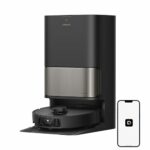
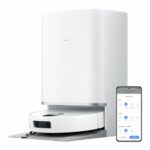
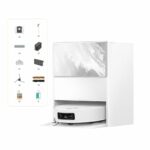
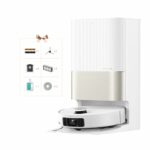
The Dreame L10s Ultra Gen 2 and the Roborock Qrevo Edge S5A represent two compelling approaches to automated cleaning from 2024. Both manufacturers have equipped these models with multifunction bases that handle not just dust disposal, but also mop washing and drying—features that separate basic robot vacuums from genuinely capable floor cleaners. The Dreame positions itself as a well-rounded performer with extended battery life and thoughtful extras, whilst the Roborock brings raw suction power and advanced dirt detection to the table.
These aren't entry-level devices. They're designed for households that want minimal intervention: homes where the robot can manage both vacuuming and mopping across multiple rooms without constant supervision. The question becomes which approach suits your space better—Dreame's balance of autonomy and practicality, or Roborock's focus on deep cleaning intelligence.
Suction and Brushing Performance
The Roborock Qrevo Edge S5A delivers 18,500 Pa of suction, nearly double the Dreame's 10,000 Pa. In practical terms, this translates to more aggressive pickup on carpets and better extraction from textured flooring. If you're dealing with embedded pet hair or ground-in dirt, that extra power makes a measurable difference.
Brush design tells another story. The Roborock uses the DuoDivide anti-tangle system, which channels hair toward the suction inlet rather than wrapping it around bristles. The Dreame employs a simpler brush design without specific anti-tangle engineering. For homes with long hair or shedding pets, the DuoDivide approach reduces maintenance frequency noticeably.
The side brush comparison tilts firmly toward Roborock. Its extendable side brush reaches further into corners, and the anti-tangle construction prevents the usual hair buildup. The Dreame's side brush lacks both features, meaning you'll find yourself cleaning it more often and accepting slightly less thorough edge coverage.
Neither model lifts its main or side brushes during mopping, so both drag their brushes across wet floors—a minor consideration if you prefer sequential cleaning passes.
Mopping System
Both robots use twin rotating mops, but their execution differs in meaningful ways. The Dreame incorporates Roboswing, a motion that shifts the robot's rear end slightly to push the mop under furniture edges and overhangs. The Roborock extends its mops outward for edge coverage but without the pivoting movement. In practice, Roboswing helps with low-clearance furniture where the extended mop alone might miss spots.
Mop lift height is nearly identical: 10.5 mm on the Dreame versus 10 mm on the Roborock. Both clear low-pile rugs and prevent soaked carpets during mopping runs.
The Roborock distinguishes itself with dirt detection for both mops and floors. When sensors identify soiling, the robot adjusts its cleaning pattern—retracing areas or returning to the base for mop washing mid-clean. The Dreame lacks this sensing, following predetermined routes regardless of actual floor condition. For kitchens or high-traffic zones, that adaptive behaviour proves valuable.
Both systems use cold water for the actual floor mopping, so neither heats the water that contacts your floors.
Base Functionality
Here's where the comparison gets interesting. The Roborock base washes mops with hot water, helping dissolve grease and sanitise the pads more effectively than cold water alone. The Dreame uses cold water for mop washing. Both dry mops with heated air, which matters for preventing mildew and odour between cleaning sessions.
The Roborock includes tray autoclean 2.0, meaning the base washes its own internal washing platform. The Dreame doesn't offer this, requiring occasional manual cleaning of the base tray to prevent buildup. It's not a daily concern, but it does affect long-term maintenance effort.
Interestingly, the Dreame includes a detergent tank whilst the Roborock doesn't. The Dreame dispenses cleaning solution during mop washing, potentially improving cleaning results without manual intervention. Whether this compensates for the lack of hot mop washing depends on your priorities—automated dosing versus higher temperature sanitation.
Dust bag capacity favours the Dreame at 3.2 litres versus 2.7 litres, meaning slightly longer intervals between bag changes. Water tanks follow a similar pattern: the Dreame holds 4.5 litres of clean water and 4 litres of dirty water, compared to 4 litres and 3.5 litres respectively on the Roborock. For larger homes, these capacity differences reduce how often you'll refill or empty tanks.
The Dreame offers an optional plumbing connection kit (purchased separately), allowing you to hook the base directly to water supply and drainage. The Roborock doesn't provide this option at all. Whilst it's an additional purchase, permanent plumbing installation effectively eliminates tank management if you're willing to commit to a fixed base location.
Navigation and Intelligence
Both models use 3D LiDAR navigation with obstacle avoidance, ensuring accurate room mapping and sensible path planning. Neither includes an AI camera, which some users prefer for privacy reasons.
The Dreame adds a frontal 3D laser sensor that the Roborock lacks. This provides additional depth perception for obstacle detection, potentially improving navigation around chair legs and low furniture. The Dreame also recognises pets specifically, useful if you want the robot to adjust behaviour around animals or avoid disturbing them during cleaning.
The Roborock counters with its RR Mason 11.0 processing algorithm and SmartPlan 2.0 AI cleaning system. These work with the dirt detection sensors to optimise cleaning routes and intensity. The Dreame offers CleanGenius AI for intelligent cleaning but doesn't specify the underlying CPU or algorithm generation.
Neither robot includes night vision LEDs or remote camera access, so you won't be checking in visually via smartphone. Both integrate with Alexa and Google Home for voice control.
Battery and Runtime
Both robots carry 5,200 mAh batteries, but the Dreame extracts 240 minutes of runtime compared to the Roborock's 180 minutes. That 60-minute advantage matters in larger properties or when running multiple cleaning passes. The Dreame's lower suction power likely contributes to its efficiency, though both models should handle typical homes on a single charge.
Neither manufacturer specifies charging time, but multifunction bases typically recharge robots between cleaning sessions without issue. The runtime difference becomes most relevant if you're covering extensive floor area in one go or running frequent spot cleans throughout the day.
Advanced Features
Both robots climb obstacles up to 20 mm high, sufficient for standard door thresholds and thick rugs. Neither includes a robotic arm or proprietary voice assistant—features reserved for even higher-end models. Both support external voice assistants as mentioned earlier.
Physical Dimensions
The robots themselves are nearly identical in size. The Dreame measures 350 mm in diameter and 97 mm tall; the Roborock spans 352 mm across and stands 98 mm high. That 1-2 mm difference won't affect which furniture they can navigate under—both should fit beneath standard sofas and beds with typical clearance.
Base dimensions show more variation. The Dreame base measures 340 mm wide, 590.5 mm tall, and 456.7 mm deep. The Roborock base shares the 340 mm width but stands shorter at 521 mm whilst extending deeper to 487 mm. The Roborock's lower profile might fit better under wall-mounted cabinets, whilst the Dreame's shallower depth could suit tighter alcoves. Neither is dramatically more space-efficient overall.
Real-World Application
For homes with pets, the Roborock's DuoDivide brush and higher suction give it a clear advantage in managing hair. The anti-tangle side brush further reduces the grooming you'll need to perform on the robot itself. The Dreame's pet recognition is a nice touch, but the Roborock's mechanical solutions address the actual challenge more directly.
In larger properties, the Dreame's extended battery life and larger tank capacities reduce interruptions. The 240-minute runtime covers more ground before returning to base, and the bigger dust bag means less frequent disposals. The optional plumbing kit becomes genuinely useful at this scale, though remember it's an extra purchase.
For thorough mopping, the Roborock's hot water mop washing, dirt detection, and self-cleaning base tray create a more autonomous system. You'll intervene less often for maintenance, and the adaptive cleaning responds to actual floor conditions rather than following fixed patterns. The Dreame's detergent dispenser adds cleaning power, but the lack of hot washing and dirt sensing means you're relying more on chemical action than adaptive scrubbing.
The Dreame's Roboswing motion proves particularly useful around kitchen islands, bathroom vanities, and other furniture with overhanging edges. If your home features lots of low-clearance areas where standard edge extension can't reach, this becomes a practical differentiator.
Conclusion: Which Should You Choose?
Choose the Dreame L10s Ultra Gen 2 if: You prioritise battery life and want to clean larger areas without interruption. The 240-minute runtime and bigger tanks suit expansive homes. The detergent dispenser appeals if you prefer automated dosing, and the optional plumbing kit offers a path to fully hands-off operation. Roboswing matters if you have furniture with challenging overhangs. The lower suction and simpler brushes are acceptable trade-offs if you don't have heavy pet hair or deep carpets.
Choose the Roborock Qrevo Edge S5A if: Cleaning performance tops your list. The 18,500 Pa suction and DuoDivide anti-tangle brush handle demanding conditions—think multiple pets, thick carpets, or heavy foot traffic. The hot water mop washing, dirt detection, and self-cleaning base tray create a more intelligent, lower-maintenance system. The extendable, anti-tangle side brush improves edge cleaning without constant hair removal. Accept the shorter runtime and slightly smaller tanks as reasonable compromises for superior cleaning capability and adaptive intelligence.