Introduction
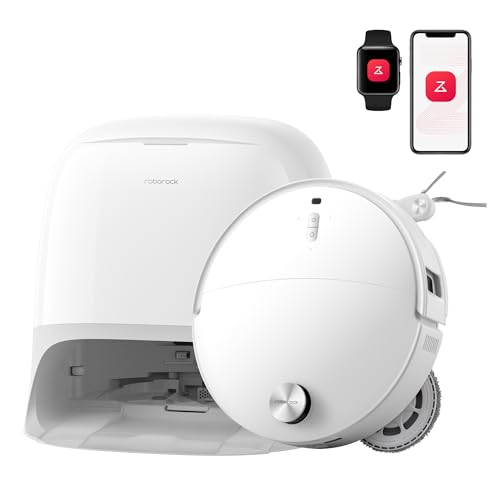
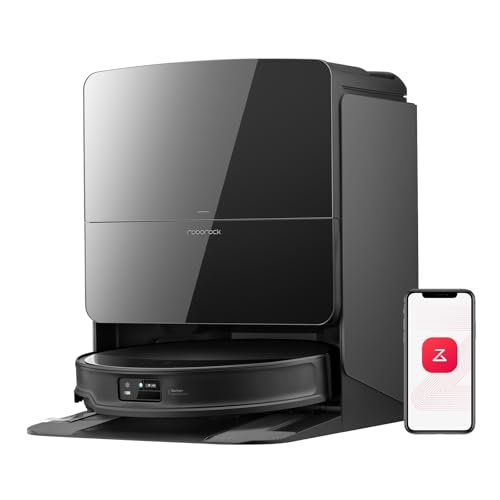
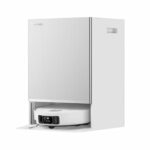
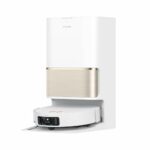
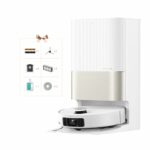
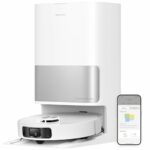
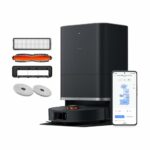
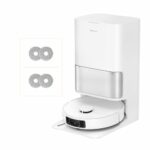
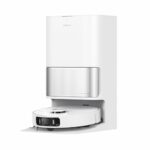
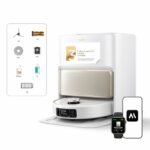
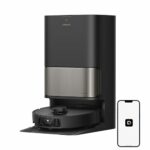
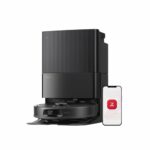
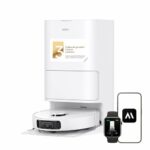
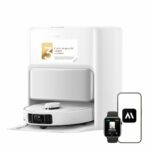
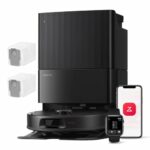
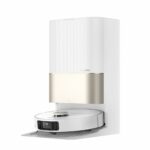
The Roborock Qrevo Curv 2 Pro and Roborock Saros 10R represent the brand's latest offerings for 2025, both positioned as premium solutions in the robot vacuum market. These models share the same manufacturer DNA but take different approaches to tackling household cleaning challenges. The Qrevo Curv 2 Pro leans heavily into raw power and extended runtime, whilst the Saros 10R focuses on advanced navigation systems and enhanced mopping capabilities with warm water technology.
Both robots feature comprehensive multifunctional bases that handle everything from dust disposal to mop washing and drying. They're designed for users who want minimal intervention in their cleaning routines, particularly those managing larger homes with mixed flooring types. Understanding which features matter most for your specific situation makes all the difference when choosing between these two Roborock options.
Key Differences at a Glance
- The Qrevo Curv 2 Pro delivers 25,000 Pa suction versus 18,500 Pa on the Saros 10R
- Battery life reaches 290 minutes on the Qrevo Curv 2 Pro compared to 180 minutes on the Saros 10R
- The Saros 10R includes warm water floor mopping whilst the Qrevo Curv 2 Pro uses cold water
- Side brush elevation is present only on the Saros 10R
- Mop elevation differs: 7-17mm on the Qrevo Curv 2 Pro versus 12-22mm on the Saros 10R
- The Saros 10R features a detergent dispenser, absent on the Qrevo Curv 2 Pro
- Navigation systems differ: retractable LiDAR on the Qrevo Curv 2 Pro versus StarSight 2.0 on the Saros 10R
- Object recognition reaches 200 items on the Qrevo Curv 2 Pro against 108 on the Saros 10R
- Base dimensions vary significantly, with the Qrevo Curv 2 Pro's base measuring 450mm in all directions
Power and Suction Performance
The suction power gap between these models is substantial. The Qrevo Curv 2 Pro pushes 25,000 Pa of suction force, which translates to noticeably stronger pickup on carpets and rugs. This makes a real difference when dealing with ground-in dirt or pet hair embedded in carpet fibres. The Saros 10R's 18,500 Pa remains respectable and handles most household debris without issue, but there's a clear performance advantage to the higher figure.
Both robots use Roborock's DuoDivide anti-tangle main brush, which channels hair towards the centre suction point rather than wrapping it around the roller. This design proves particularly useful in homes with long-haired residents or shedding pets. The main brush lifts on both models during mopping to prevent wet carpet disasters.
Where things diverge is the side brush behaviour. The Saros 10R can elevate its side brush during mopping, which prevents the brush from flicking water onto carpets or skirting boards. The Qrevo Curv 2 Pro lacks this feature, though both models have extensible side brushes that reach into corners more effectively. Both include anti-tangle technology on their side brushes as well.
Mopping Systems
Both robots use dual rotating mop pads that extend outwards to clean right up to edges and into corners. This extension feature helps achieve proper coverage along skirting boards where many robot vacuums struggle. Mop elevation differs between the two: the Qrevo Curv 2 Pro lifts its mops between 7-17mm, whilst the Saros 10R achieves 12-22mm of lift. That extra height on the Saros 10R provides better clearance over thicker rugs and transitions between rooms.
The mopping temperature represents a significant distinction. The Saros 10R uses warm water when mopping floors, which improves cleaning effectiveness on sticky residues and dried-on spills. The Qrevo Curv 2 Pro sticks with cold water mopping, which still produces clean results but may require additional passes on stubborn marks.
Both bases wash mops with hot water and dry them using heated air, which prevents bacterial growth and eliminates musty odours. The Qrevo Curv 2 Pro features the newer 3.0 version of the self-cleaning tray system, whilst the Saros 10R uses version 2.0. Both robots can automatically remove their mops at the base when you want vacuuming only, and both detect dirt on mops and floors to trigger additional cleaning passes when needed.
The Saros 10R includes a detergent dispenser in its base, which automatically adds cleaning solution during mop washing. The Qrevo Curv 2 Pro doesn't have this feature, requiring you to use plain water throughout the mopping process.
Navigation Systems
The navigation approach differs between these models despite both using advanced sensor arrays. The Qrevo Curv 2 Pro employs a retractable LiDAR system that lowers when not needed, potentially allowing it to fit under lower furniture. The Saros 10R uses Roborock's StarSight 2.0 system, which combines multiple sensor types for spatial awareness.
Both robots feature dual AI cameras and 3D laser sensors at the front for obstacle detection. Night vision LEDs allow both to navigate in darkness without issue. Remote camera access works on both models, letting you check on your home through the robot's eyes via the app.
Object recognition capabilities favour the Qrevo Curv 2 Pro significantly, with the ability to identify 200 different objects compared to 108 on the Saros 10R. In practice, this means more accurate avoidance of unusual items left on floors. Both recognise pets and can work around them, though neither specifically detects curtains.
The Qrevo Curv 2 Pro uses SmartPlan 3.0 for intelligent cleaning routines, whilst the Saros 10R runs SmartPlan 2.0. Both systems learn your home layout and adjust cleaning patterns based on room type and previous sessions. The Saros 10R specifies its RR Mason 11.0 processing algorithm, though the Qrevo Curv 2 Pro's processor details aren't provided in available specifications.
Battery Life and Autonomy
Both models pack identical 6,400 mAh batteries, but runtime differs dramatically. The Qrevo Curv 2 Pro manages 290 minutes on a single charge, whilst the Saros 10R reaches 180 minutes. That 110-minute gap matters considerably for larger properties or when running multiple cleaning cycles without returning to base.
The extended runtime on the Qrevo Curv 2 Pro likely results from more efficient power management rather than different battery capacity. For homes exceeding 150 square metres, that extra hour and a half of operation reduces interruptions and speeds up complete home cleaning sessions.
Smart Features
Both robots can climb obstacles up to simple steps, helping them navigate between rooms with different floor heights or move over thick carpet edges. Neither includes a robotic arm for additional functionality.
Voice control works through both Roborock's proprietary voice assistant built into each robot and external systems like Alexa or Google Home. This gives you flexibility in how you prefer to issue commands, whether through the app, the robot directly, or your existing smart home ecosystem.
Multifunctional Base Station
Both bases handle the complete maintenance cycle: emptying the robot's dust bin, washing mops with hot water, and drying them with heated air. The 2.5-litre dust bags last several weeks before requiring replacement. Water tank capacities match at 4 litres for clean water and 3 litres for dirty water, which suffices for multiple mopping sessions before refilling becomes necessary.
The self-cleaning tray system differs in version numbers, with the Qrevo Curv 2 Pro using the newer 3.0 iteration compared to 2.0 on the Saros 10R. This affects how thoroughly the base cleans its own washing area, though both systems maintain hygiene effectively. Neither base includes UV disinfection or integrated plumbing connections, and no optional plumbing kit is available for either model.
The dust and water storage capacities remain identical, but the detergent dispenser on the Saros 10R adds convenience by automating the addition of cleaning solution during mop washing cycles.
Physical Dimensions
The robots themselves measure virtually identically: 352mm diameter for the Qrevo Curv 2 Pro versus 353mm for the Saros 10R, with both standing 79.8mm tall. This height allows both to slide under most furniture without difficulty.
Base station footprints tell a different story. The Qrevo Curv 2 Pro's base forms a 450mm cube, whilst the Saros 10R's base measures 381mm wide, 488mm tall, and 475mm deep. The Qrevo Curv 2 Pro requires more floor space but sits lower, potentially fitting under wall-mounted cabinets more easily. The Saros 10R's narrower width might suit tighter spaces better despite its greater height and depth.
The robot's onboard storage differs slightly: the Qrevo Curv 2 Pro carries a 245ml dust bin and 67ml water tank, whilst the Saros 10R holds 270ml of dust and 69ml of water. These small differences rarely affect performance since both robots return to base frequently during cleaning cycles.
Real-World Usage Scenarios
The Qrevo Curv 2 Pro suits larger homes particularly well thanks to its extended 290-minute runtime and higher suction power. If you're managing over 150 square metres or have multiple floor levels, that extra battery life prevents mid-clean charging breaks. The 25,000 Pa suction also handles thick carpets and heavy pet shedding more aggressively.
The Saros 10R makes more sense when mopping performance takes priority. Warm water floor mopping cuts through kitchen grease and bathroom residue more effectively than cold water, and the detergent dispenser automates the addition of cleaning solution. The elevated side brush during mopping prevents water flicking onto carpets at room transitions. Its 180-minute runtime still covers most typical homes adequately.
For households with pets, both robots offer strong solutions thanks to their anti-tangle brush systems and pet recognition. The Qrevo Curv 2 Pro's higher suction gives it an edge on embedded fur, whilst the Saros 10R's warm water mopping better handles muddy paw prints.
Base dimensions matter if you're tight on space. The Saros 10R's narrower footprint fits into corners more easily, though you'll need vertical clearance. The Qrevo Curv 2 Pro's cubic base might suit spaces with lower overhead clearance but more floor area available.
Conclusion: Which Should You Choose?
Choose the Roborock Qrevo Curv 2 Pro if: You're managing a larger home exceeding 150 square metres where extended runtime matters. The 290-minute battery life and 25,000 Pa suction handle expansive spaces and deep carpet cleaning more effectively. The retractable LiDAR and 200-object recognition provide the most advanced navigation available. You're willing to forgo warm water mopping and automatic detergent dispensing in exchange for raw power and endurance.
Choose the Roborock Saros 10R if: Mopping performance ranks as your top priority. Warm water floor cleaning and automatic detergent dispensing deliver superior results on hard floors, particularly in kitchens and bathrooms. The elevated side brush during mopping prevents water damage to carpets. The narrower base station fits better in compact spaces. Your home sits under 150 square metres where the 180-minute runtime provides adequate coverage without the need for maximum suction power.
Both represent excellent choices within the robot aspirador Roborock range for 2025, with the decision ultimately hinging on whether you value extended runtime and maximum suction or prioritise advanced mopping capabilities with warm water technology.