Introduction
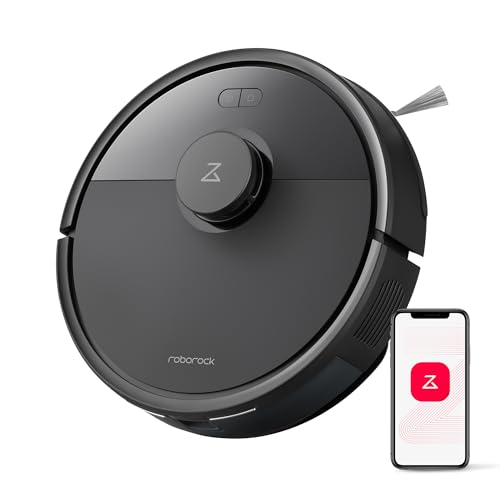
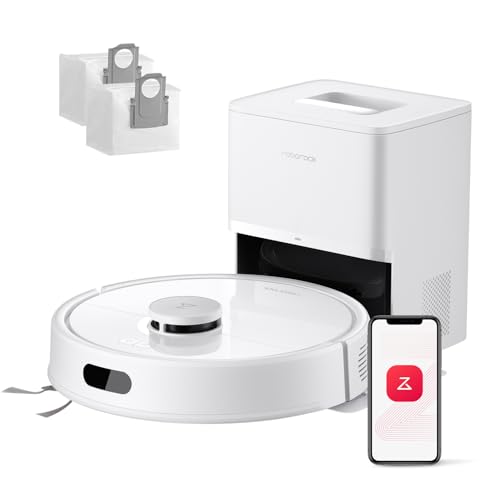
The Roborock Q7 L5 o BF and the Roborock Q7 L5+ o BF+ Plus represent two variants of the same 2025 model line from Roborock, differing primarily in their base station capabilities. Both deliver 8,000 Pa of suction power and share identical navigation systems, making them suitable for medium to large homes that need reliable daily cleaning. The core difference lies in maintenance convenience: whilst the standard version requires manual emptying, the Plus variant incorporates auto-emptying functionality.
These models suit users seeking straightforward vacuuming performance without the complexity of advanced mopping systems or AI-powered obstacle recognition. The choice between them ultimately depends on whether automatic dust disposal justifies the additional investment.
Differences at a glance
- The Q7 L5+ o BF+ Plus includes auto-emptying of the dust bin; the Q7 L5 o BF does not
- Dust bag capacity: 2.7 litres in the Plus model versus no bag in the standard version
- Robot dust bin size: 400 ml in the standard model, reduced to 200 ml in the Plus variant
- Robot water tank: 270 ml versus 280 ml respectively
- Base station dimensions: significantly larger in the Plus model (212 × 259 × 178 mm compared to 160 × 101 × 70 mm)
Power and Suction
Both models deliver identical 8,000 Pa suction power, positioning them firmly in the mid-range segment for 2025. This level of suction handles everyday debris, pet hair, and fine dust across hard floors and low-pile carpets without difficulty.
The brush system consists of traditional bristle rollers rather than anti-tangle designs. In practice, this means households with long-haired occupants or shedding pets will need to perform regular maintenance to prevent hair wrapping around the roller. Neither model features brush elevation during mopping, though this matters less given the static mop design.
The side brushes remain fixed without extension or elevation capabilities. Whilst this simplifies the mechanical design, corner cleaning won't match the precision of models with extensible side brushes that actively reach into tight spaces.
Mopping
Both variants employ static mop pads with cold water only. The mopping system here is basic: a damp cloth dragged across the floor rather than any active scrubbing mechanism. Neither model extends its mops to reach edges, nor can they lift the pads to avoid carpets or rugs.
There's no mop washing functionality in either base station, no drying system, and no automatic mop removal. Users must manually attach and remove the mopping pads, wash them by hand, and ensure they're dry before storage to prevent odours. The water tanks hold 270 ml and 280 ml respectively—enough for approximately 60-80 square metres of mopping before refilling becomes necessary.
For homes prioritising mopping performance, these models won't compete with multifunctional base stations that wash and dry mops automatically. The mopping here serves as a supplementary feature rather than a core strength.
Navigation System
Navigation relies on a LiDAR 3 turret system in both models. This laser-based mapping creates accurate floor plans and enables systematic cleaning patterns that cover rooms efficiently without random wandering. The turret protrudes slightly from the top surface, which explains the 99 mm height.
Neither model incorporates AI cameras, 3D laser sensors, or obstacle recognition capabilities. They won't identify specific objects like shoes, cables, or pet waste, nor can they recognise pets or detect curtains. There's no front-facing LED for night vision, and remote camera access isn't available.
This traditional navigation approach works reliably in tidy environments but requires users to pick up stray objects before cleaning sessions. Homes with frequently changing floor clutter might find this limitation frustrating compared to newer AI-equipped alternatives.
Battery and Autonomy
The 3,200 mAh battery capacity matches across both models. Specific runtime figures aren't provided in the specifications, though batteries of this size typically deliver 90-120 minutes of vacuuming depending on power settings and floor types.
Both robots can climb obstacles up to 20 mm high, managing standard door thresholds and thin rugs without getting stuck. This capability proves essential for multi-room navigation in homes with varied flooring transitions.
Smart Features
Integration with external voice assistants like Alexa and Google Home is supported on both models, allowing voice commands for starting, stopping, or scheduling cleaning sessions. Neither robot includes its own built-in voice assistant or robotic arm functionality.
The 20 mm obstacle climbing ability handles typical household transitions competently. Thicker carpets or higher thresholds may still pose challenges, but most standard UK homes won't encounter issues with this specification.
Multifunctional Cleaning Base
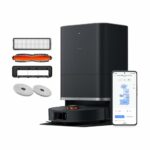
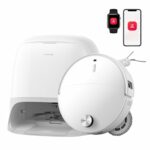
Here lies the fundamental distinction between these models. The Q7 L5 o BF uses a simple charging dock measuring just 160 × 101 × 70 mm—barely larger than the robot itself. This compact base suits tight spaces but offers no automated maintenance.
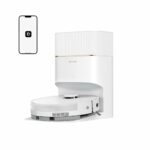
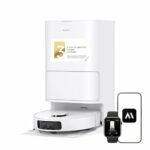
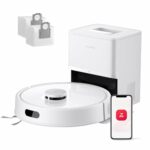
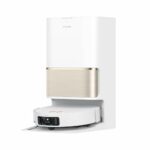
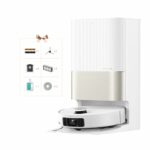
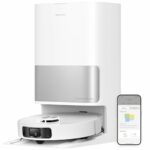
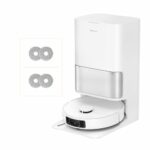
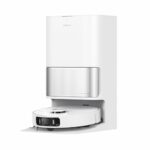
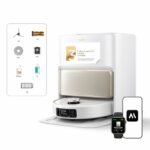
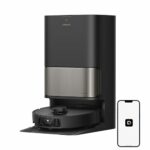
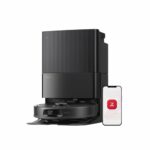
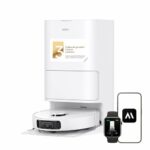
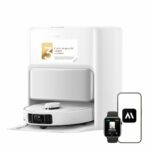
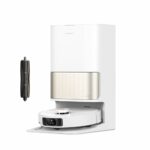
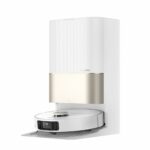
The Q7 L5+ o BF+ Plus features a substantially larger base station (212 × 259 × 178 mm) housing a 2.7-litre dust bag for automatic emptying. When the robot completes its cleaning cycle, it docks and transfers collected debris into this bag, which typically requires changing every 4-8 weeks depending on household conditions.
Neither base provides mop washing, drying, tray self-cleaning, UV disinfection, or detergent dispensing. There's no option for plumbing connection, even as an aftermarket kit. These bases focus purely on charging and, in the Plus model's case, dust collection.
Dimensions
Both robots measure 325 mm in diameter and stand 99 mm tall. This height allows them to navigate under most sofas and beds with standard clearances, though particularly low-profile furniture may still block access.
The base station footprint differs dramatically. The standard model's dock occupies minimal floor space at 160 × 101 mm, tucking easily into corners or alongside furniture. The Plus version demands considerably more room with its 212 × 178 mm footprint and 259 mm height. Users should measure their intended placement area before purchasing, especially in compact flats or cluttered utility rooms.
The robot dust bin capacity varies inversely with base functionality: 400 ml in the standard model versus 200 ml in the Plus variant. This makes sense given the Plus empties automatically, whilst the standard version relies entirely on its internal capacity between manual emptying sessions.
Real-World Usage Experience
For smaller homes under 80 square metres, the Q7 L5 o BF handles daily maintenance efficiently. The 400 ml dust bin accommodates several cleaning sessions before requiring attention, and the compact base fits neatly in tight spaces. Users comfortable with weekly bin emptying and manual mop maintenance will find this model perfectly adequate.
Larger properties benefit more from the Q7 L5+ o BF+ Plus. The automatic emptying reduces interaction frequency to monthly bag changes rather than weekly bin emptying. Households with pets that shed constantly particularly appreciate this convenience, though the bristle brush still demands occasional hair removal from the roller itself.
The basic mopping system on both models suits light maintenance on hard floors—kitchen spills, dusty tiles, or bathroom floors between proper mopping sessions. Don't expect deep cleaning or stain removal. The lack of mop washing means you're manually rinsing pads after each use, which somewhat defeats the automation purpose.
Homes with multiple floor types should note the absence of automatic mop removal or carpet detection. You'll need to manually remove mopping pads before running the robot over carpets, or designate no-mop zones through the app.
Conclusion: Which Should You Choose?
Choose the Roborock Q7 L5 o BF if: you live in a smaller property where weekly bin emptying isn't burdensome, you're working within a tighter budget, or you simply don't have floor space for a larger base station. The compact dock suits flats, studios, or homes where every square metre counts. Manual maintenance doesn't bother you, and you prefer straightforward functionality without additional complexity.
Choose the Roborock Q7 L5+ o BF+ Plus if: you prioritise convenience and want to minimise maintenance frequency, your home exceeds 100 square metres, you have pets that shed heavily, or you travel frequently and need the robot to operate independently for weeks. The auto-emptying justifies the larger base footprint and higher price for anyone valuing hands-off operation. This suits busy professionals, elderly users, or anyone who simply wants to interact with their robot as infrequently as possible.
Neither model excels at mopping, so if floor washing is your priority, consider alternatives with multifunctional bases. For pure vacuuming performance with optional light mopping, both deliver reliably—the choice simply comes down to whether automatic dust disposal matters enough to justify the upgrade.