✨ VS Analyses · VacuumSpain comparison technology. Explanation created with AI from verified technical data.
Introduction
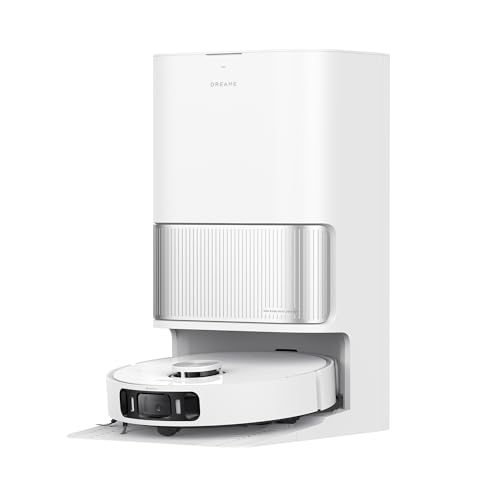
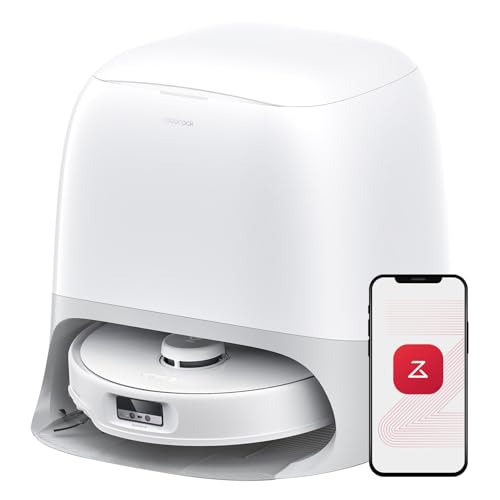
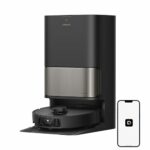
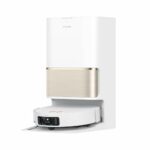
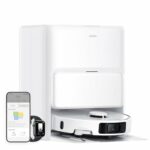
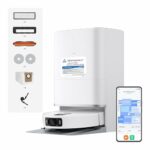
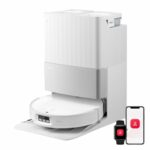
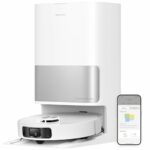
When looking at the latest developments in robotic vacuum cleaners, the Dreame L40 Ultra AE and the Roborock Qrevo Curv represent two distinct approaches to automated home cleaning. The Dreame model arrives in 2025 as a fresh proposition from a brand known for competitive pricing, whilst Roborock's offering from 2024 continues the manufacturer's reputation for refined engineering. Both units feature comprehensive multifunction bases that handle not just dust collection but also mop washing and drying, making them suitable for households wanting minimal intervention in their cleaning routines.
These aren't entry-level machines. With suction power exceeding 18,000 Pa and advanced AI navigation systems, they're designed for users who want thorough cleaning across varied floor types. The presence of rotating mops, obstacle avoidance cameras, and self-cleaning bases means they can manage everything from daily maintenance to deeper cleaning sessions without constant supervision.
Suction Power and Brushwork
The Dreame L40 Ultra AE edges ahead slightly in raw suction with 19,000 Pa against the Roborock Qrevo Curv's 18,500 Pa. In practical terms, this difference won't dramatically change performance on everyday debris, but it might prove useful when tackling ground-in dirt on textured surfaces.
Where things get more interesting is the brush configuration. Dreame equips its model with the TriCut 3.0 system, which combines bristles with integrated cutting blades to slice through tangled hair. Roborock takes a different path with its DuoDivide anti-tangle design, featuring dual rollers that channel hair towards the central suction point rather than letting it wrap around the brush. Both manufacturers lift their main brushes during mopping to avoid dragging damp rollers across carpets.
The side brush setup reveals a clear advantage for Roborock. Its extendable side brush reaches further into corners and along skirting boards, whilst the anti-tangle design prevents the common problem of hair wrapping around the arm. The Dreame lacks both these features, which could mean more frequent manual cleaning of the side brush and less thorough edge coverage. Neither model lifts its side brush when mopping, so both will continue sweeping even during wet cleaning.
Mopping Systems
Both robots use dual rotating mops for wet cleaning, but their approaches to edge coverage differ. The Dreame L40 Ultra AE incorporates a swing motion system that allows the unit to position its mop slightly under furniture overhangs and tight spaces. Roborock achieves extended reach through mop extension, pushing coverage closer to walls and corners.
Mop lift capability matters when transitioning between hard floors and carpets. The Roborock Qrevo Curv offers 10-20 mm of elevation, giving it more clearance for thicker rugs. Dreame's 10.5 mm lift handles standard carpets but might struggle with deeper pile. This becomes relevant in homes mixing hard flooring with varied carpet heights.
The multifunction bases on both models wash mops with hot water and dry them using heated air, which helps prevent bacterial growth and musty smells. Each unit detects dirt levels on both the mops themselves and the floor surface, triggering additional cleaning passes when needed. Neither can automatically remove mops at the base for vacuum-only sessions, so you'll need to detach them manually if you want pure suction without any mopping.
Navigation Intelligence
Navigation hardware looks similar on paper—both use 3D LiDAR turrets combined with front-facing cameras and laser sensors for obstacle detection. The Roborock Qrevo Curv employs a dual camera setup whilst the Dreame uses a single camera configuration. Both include LED lighting for low-light operation and allow remote camera access through their respective apps.
The object recognition database tells a different story. Dreame's system identifies 120 different obstacles, nearly double the Roborock's 62 recognised items. In real-world use, this translates to more nuanced responses to household objects, potentially reducing the need for manual intervention when the robot encounters unfamiliar items. Both systems recognise pets and can adjust behaviour accordingly, though neither specifically detects curtains.
Roborock runs its SmartPlan 2.0 software on the RR Mason 11.0 processor, whilst Dreame implements CleanGenius AI. Each manufacturer's approach to intelligent cleaning differs in interface and automation options, but both aim to optimise routes and cleaning intensity based on room type and detected dirt levels.
Battery and Runtime
The Roborock Qrevo Curv packs a substantially larger 6,400 mAh battery compared to the Dreame's 5,200 mAh cell. Roborock specifies 240 minutes of runtime, which should comfortably handle larger properties in a single session. Dreame doesn't provide an autonomy figure, but the smaller battery suggests shorter continuous operation before returning to recharge.
For households with extensive floor areas or multiple levels, the Roborock's battery advantage means fewer interruptions during cleaning cycles. The Dreame may need to dock mid-clean more frequently, though modern robots typically resume where they left off after recharging.
Smart Features
Obstacle climbing capability differs between these models. The Dreame L40 Ultra AE manages 20 mm obstacles, whilst Roborock markets its ability to handle single-step transitions without specifying exact height. In practice, this affects how well each robot navigates raised door thresholds, thick rug edges, and minor floor level changes.
The Roborock Qrevo Curv includes an onboard voice assistant, allowing direct voice commands without routing through external smart home systems. Dreame relies on Alexa or Google Home integration for voice control. The built-in assistant offers convenience if you prefer not to depend on separate ecosystems, though both robots work with standard smart home platforms.
Multifunction Base Capabilities
Base station features show some notable divergence. The Dreame L40 Ultra AE includes a detergent dispenser, automatically adding cleaning solution during mop washing. Roborock omits this feature, requiring manual addition of cleaning agents if desired. Both bases employ second-generation self-cleaning systems for their wash trays, maintaining hygiene without user intervention.
Dust collection capacity favours Dreame with a 3.2-litre bag versus Roborock's 2.5-litre capacity. This means less frequent bag changes, particularly useful for pet owners or high-traffic homes. Water tank sizes also differ: Dreame provides 4.5 litres of clean water and 4 litres for dirty water, whilst Roborock holds 4 litres and 3 litres respectively. The larger tanks on the Dreame extend intervals between refilling and emptying.
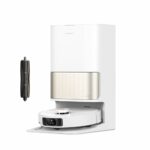
Dreame offers an optional plumbing connection kit as a separate purchase, potentially eliminating manual water management entirely. Roborock doesn't provide this option. Neither model includes UV disinfection or automatic mop changing systems.
Physical Dimensions
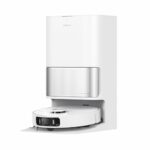
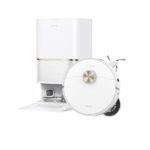
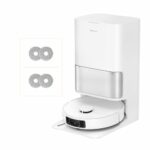
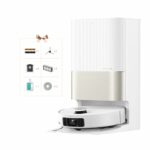
Robot height proves significant for furniture clearance. The Dreame L40 Ultra AE measures 97 mm tall, giving it a 6 mm advantage over the Roborock's 103 mm profile. This difference could determine whether the robot fits under certain sofas, beds, or cabinets. Diameter remains nearly identical at 350 mm and 352 mm respectively.
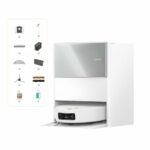
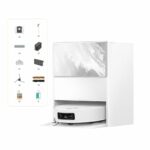
Base station footprint tells a different story. Roborock's base forms a compact cube at 450 mm in all dimensions. Dreame's station stretches taller and deeper at 590.5 mm high and 456.7 mm deep, though it's narrower at 340 mm wide. The Roborock base requires less vertical clearance and occupies a more regular square footprint, which might suit tighter spaces better.
Real-World Usage Scenarios
The Roborock Qrevo Curv's larger battery and 240-minute runtime make it better suited to expansive properties where completing the entire floor area in one session matters. Its extendable side brush and anti-tangle design benefit homes with pets, particularly long-haired breeds that shed continuously. The compact base fits more easily into smaller utility areas or kitchen corners.
Dreame's advantages centre on maintenance intervals and suction power. The larger dust bag and water tanks reduce how often you'll need to service the base, whilst the detergent dispenser automates one more aspect of mop cleaning. The lower profile helps it access more under-furniture areas. The expanded object recognition database could prove valuable in cluttered homes with varied obstacles.
For homes mixing hard floors with carpets, both handle the transition adequately, though Roborock's greater mop lift accommodates thicker rugs more effectively. Neither struggles with standard household debris, but Dreame's slight suction advantage might show up when dealing with fine dust on textured tiles or in grout lines.
Conclusion: Which Should You Choose?
Choose the Dreame L40 Ultra AE if you want maximum suction power and prefer longer intervals between base maintenance. The detergent dispenser appeals if you like fully automated mop washing, whilst the lower robot height suits homes with low-clearance furniture. The expanded object recognition may reduce intervention in busy households with varied floor clutter. Consider this model when you value larger tank capacities and don't mind a taller base station.
Choose the Roborock Qrevo Curv if you need extended battery life for larger properties or prefer completing cleaning in fewer sessions. The extendable, anti-tangle side brush makes it the better choice for pet owners, particularly with long-haired animals. Its more compact base fits tighter spaces, whilst the built-in voice assistant offers convenience without external smart home dependencies. The greater mop lift handles thicker carpets more effectively, and the dual camera system provides enhanced visual navigation.