Introduction
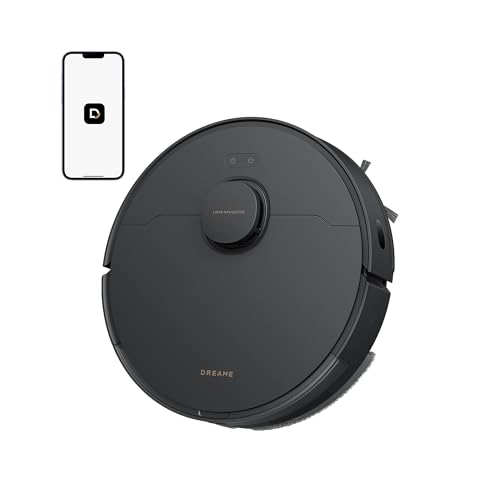
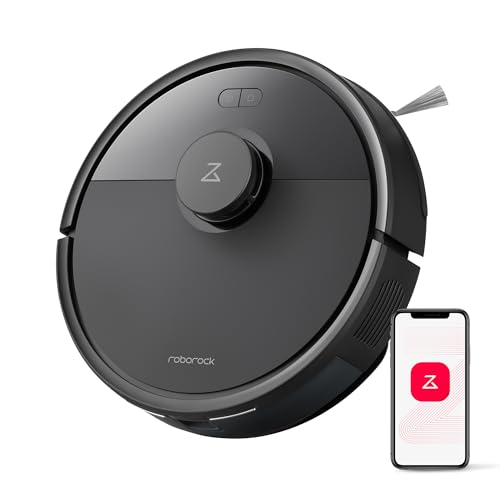
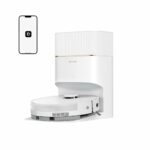
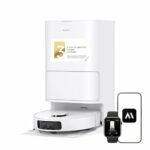
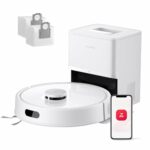
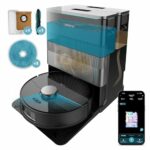
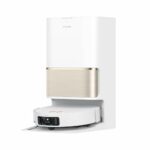
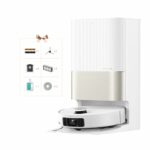
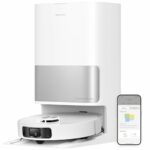
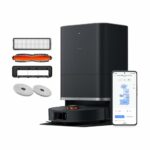
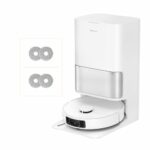
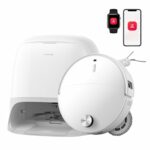
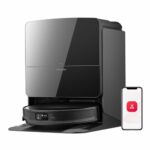
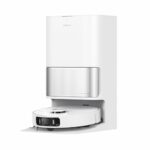
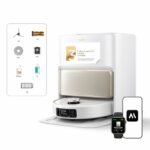
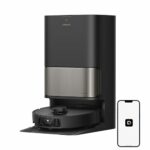
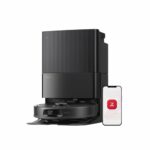
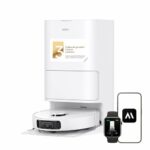
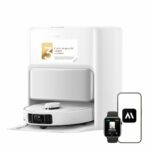
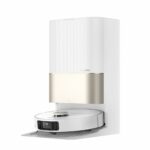
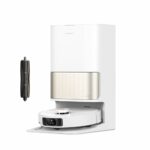
The Dreame D20 and Roborock Q7 L5 or BF represent two distinct approaches to robot vacuum cleaners launching in 2025. These models sit in the mid-range segment, designed for users seeking reliable automated cleaning without the complexity of multifunction bases. The Dreame D20 positions itself as a more powerful option with enhanced battery capacity, whilst the Roborock Q7 L5 or BF offers the established reliability that Roborock is known for globally.
Neither model includes advanced features like automatic dustbin emptying or mop washing stations. Instead, they focus on core vacuuming and basic mopping capabilities, making them suitable for smaller to medium-sized homes where manual maintenance isn't a concern. The differences between these two models become apparent when examining their technical specifications and design choices.
Key Differences at a Glance
- The Dreame D20 delivers 13,000 Pa suction versus 8,000 Pa on the Roborock
- Battery capacity: 5,200 mAh in the Dreame compared to 3,200 mAh in the Roborock
- The Dreame uses a dual brush system (HyperStream design) whilst the Roborock has a traditional bristle brush
- Obstacle avoidance: only the Dreame D20 includes this feature with a 3D laser sensor
- Dust container: 700 ml in the Dreame versus 400 ml in the Roborock
- Water tank: 350 ml versus 270 ml respectively
- Physical dimensions vary, with the Roborock being slightly more compact in diameter
Power and Suction
The suction power difference is substantial. The Dreame D20 reaches 13,000 Pa, which represents a significant advantage over the Roborock Q7 L5 or BF's 8,000 Pa. In practical terms, this translates to better performance on carpets and more effective pickup of embedded dirt and pet hair.
Where the main brush is concerned, the approaches differ considerably. The Dreame D20 employs a dual HyperStream brush system, designed specifically to minimise hair tangles by using two brushes anchored at one end. The Roborock Q7 L5 or BF uses a conventional bristle brush, which tends to require more frequent maintenance to remove wrapped hair.
Neither model offers brush elevation during mopping, nor do they include extendable side brushes for improved edge cleaning. The side brushes remain fixed in position and lack anti-tangle features on either robot.
Mopping
The mopping systems on these models are straightforward. Each uses a static mop pad without rotation or vibration. Neither the Dreame D20 nor the Roborock Q7 L5 or BF can extend their mops to reach edges more effectively, and neither offers mop elevation to prevent damp pads dragging across carpets.
Water temperature remains cold on these units during floor cleaning. There's no automatic mop removal system at the base, meaning you'll need to manually detach the pads when you want to vacuum-only mode. Dirt detection technology, whether on the mops themselves or the floor surface, isn't present on either model.
The Dreame D20 does hold more water at 350 ml compared to 270 ml in the Roborock, which means slightly longer mopping sessions before refilling becomes necessary. For basic maintenance mopping on hard floors, these systems work adequately, though expectations should remain realistic without automatic mop washing capabilities.
Navigation System
Navigation relies on LiDAR turret technology in the 3.0 generation for these models. This provides accurate room mapping and efficient cleaning paths. The critical difference emerges with obstacle avoidance: the Dreame D20 includes this functionality through a front-mounted 3D laser sensor, whilst the Roborock Q7 L5 or BF does not.
In practice, this means the Dreame can detect and navigate around objects like shoes, cables, or pet toys more intelligently. The Roborock will rely purely on physical bumpers and basic sensors, which can result in more contact with obstacles during cleaning cycles.
Neither robot incorporates AI cameras, pet recognition, curtain detection, or remote camera access. LED lighting for night vision isn't included either. Processing power and algorithms aren't specified for these models, but the core navigation based on LiDAR should prove reliable for both.
Battery and Autonomy
Battery capacity shows a dramatic difference. The Dreame D20 packs 5,200 mAh, substantially more than the Roborock's 3,200 mAh. Whilst specific runtime figures aren't provided, the larger battery suggests the Dreame will cover more ground before returning to charge.
This becomes particularly relevant for larger homes or when deep cleaning carpets, which drains batteries faster due to higher suction demands. The charging times aren't specified for either model, nor are the maximum recommended floor areas, but the battery advantage clearly sits with the Dreame.
Smart Features
These robots can climb obstacles up to 20 mm high, identical for the Dreame D20 and Roborock Q7 L5 or BF. This handles standard door thresholds and low-profile rugs without difficulty.
Voice assistant compatibility extends to external services like Alexa and Google Home on these models. Neither includes its own proprietary voice assistant built into the robot itself.
Cleaning Base Station
These models ship with basic charging docks rather than multifunction bases. There's no automatic dustbin emptying, no mop washing, no drying systems, and no self-cleaning tray. UV disinfection and detergent dispensing aren't part of the package either.
Connection to household plumbing, whether integrated or via optional kits, isn't available. This positions these robots as manual-maintenance devices where you'll empty the dust container and rinse mop pads yourself after each cleaning session.
The simplicity of the charging base does mean a smaller footprint and no concerns about water tank refilling or dirty water disposal at the station level, which some users actually prefer for straightforward operation.
Dimensions
The Dreame D20 measures 350 mm in diameter with a height of 96.8 mm. The Roborock Q7 L5 or BF is slightly more compact at 325 mm diameter but marginally taller at 99 mm. The Dreame's lower profile gives it a slight advantage for navigating under furniture with limited clearance.
Charging base dimensions differ noticeably. The Dreame's base measures 126 mm wide, 92.6 mm high, and 130 mm deep. The Roborock base is wider at 160 mm and taller at 101 mm, but considerably shallower at just 70 mm depth. Depending on where you plan to position the base, these variations might influence your choice.
The Dreame D20 also features larger onboard containers: 700 ml for dust versus 400 ml on the Roborock, and 350 ml water capacity compared to 270 ml. Larger capacities mean less frequent emptying and refilling, particularly useful if you're cleaning larger spaces in one session.
Real-World Usage Experience
For homes with pets, the Dreame D20 presents clear advantages. The dual HyperStream brush reduces hair tangles significantly, and the 13,000 Pa suction tackles embedded pet hair more effectively. The larger dust container also means fewer interruptions when dealing with shedding seasons.
In larger properties, the Dreame's superior battery capacity becomes increasingly valuable. The robot can cover more territory before returning to charge, making it better suited to homes exceeding 100 square metres. The Roborock's smaller battery may require mid-clean recharging in expansive layouts.
The obstacle avoidance on the Dreame adds convenience in cluttered environments. Families with children's toys scattered about or homes with multiple floor-level obstacles benefit from the 3D laser sensor's ability to navigate without constant physical contact. The Roborock will manage, but expect more bumping and potentially slower cleaning cycles in obstacle-rich rooms.
For basic mopping on hard floors, these models perform similarly with their static pad systems. Don't expect deep cleaning or stain removal—think of it as maintenance wiping between proper manual mopping sessions. The Dreame's larger water tank extends mopping time slightly before refills.
Conclusion: Which Should You Choose?
Choose the Dreame D20 if: you've got a larger home requiring extended battery life, pets that shed considerably, or environments with numerous floor obstacles where smart avoidance proves valuable. The superior suction power and anti-tangle brush system justify consideration for anyone prioritising deep cleaning performance and reduced maintenance hassle. The lower profile also helps if you need the robot sliding under low-clearance furniture regularly.
Choose the Roborock Q7 L5 or BF if: you're working with a smaller space where the battery difference becomes less critical, prefer the established reliability of the Roborock brand, or simply want a more compact robot diameter. The narrower build might navigate tighter spaces more easily, and if obstacles aren't a major concern in your home, the lack of advanced avoidance sensors won't impact daily performance. Those who value brand reputation and proven app ecosystems often lean towards Roborock despite lower specifications on paper.
For homes under 80 square metres without pets, the Roborock represents a solid, dependable choice. For anything larger, with pets, or requiring maximum suction, the Dreame D20 delivers better value through its enhanced specifications at what's typically a competitive price point for the features offered.