Introduction
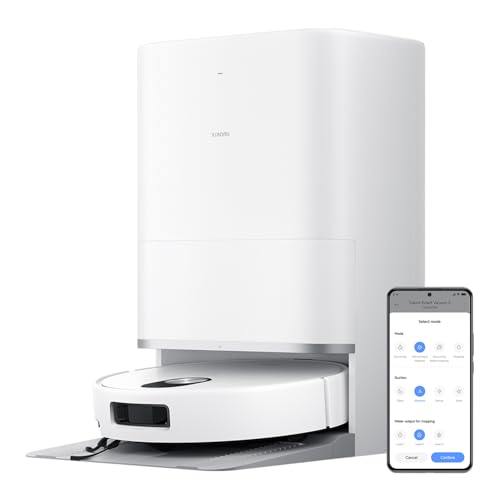
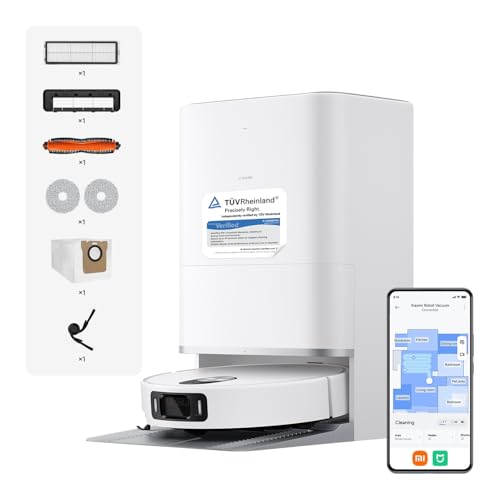
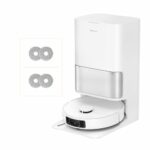
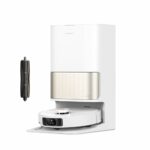
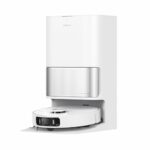
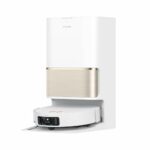
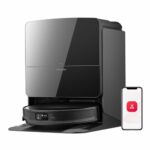
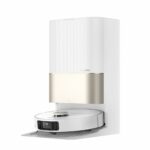
Xiaomi has launched two new contenders in the robot vacuum market for 2025: the Xiaomi Robot Vacuum 5 and the Xiaomi Robot Vacuum 5 Pro. These models share a considerable amount of DNA, delivering 20,000 Pa of suction power and featuring comprehensive cleaning stations that handle both vacuuming and mopping tasks. At first glance, they might seem nearly identical, but the Pro variant introduces several intelligent features that could make a real difference depending on your home environment and cleaning expectations.
Both robots are designed for users seeking a hands-off cleaning solution with multifunctional bases that wash and dry mops automatically. The question isn't whether these are capable machines—they clearly are—but rather whether the additional intelligence packed into the Pro justifies the likely price difference.
Key Differences at a Glance
- The Xiaomi Robot Vacuum 5 Pro features an AI camera whilst the standard model does not
- Main brush elevation during mopping is exclusive to the Pro version
- Dirt detection on both mops and floors is only available on the Pro
- The Pro can recognise up to 200 different obstacles; the standard model's recognition capability isn't specified
- Remote camera access and LED night vision are Pro-only features
- AI-powered stain recognition is present solely on the Pro model
Power and Suction
Both robots deliver identical suction performance at 20,000 Pa, which places them firmly in the upper tier of current robot vacuum capabilities. This level of power handles everything from fine dust on hard floors to embedded dirt in medium-pile carpets without breaking a sweat.
The TriCut 3.0 brush system appears on both models. This design combines bristles with integrated cutting blades that slice through tangled hair, reducing the maintenance burden considerably if you live with pets or long-haired household members. The brush design itself is anti-tangle, which in practice means less time spent pulling hair off the roller.
Where things diverge is in brush elevation. The Xiaomi Robot Vacuum 5 Pro can lift its main brush during mopping operations, preventing the wet roller from dragging across carpets or rugs when the robot transitions between floor types. The standard Xiaomi Robot Vacuum 5 lacks this feature, meaning it relies on mop elevation alone to protect soft surfaces during wet cleaning.
The side brush setup is identical across both models. Each features an extendable side brush that reaches further into corners and along skirting boards, plus anti-tangle properties to keep fibres from wrapping around the mechanism. Neither model offers side brush elevation during mopping, so both will continue spinning the side brush even when the mops are deployed.
Mopping
Both robots use dual rotating mops that extend outwards to reach edges and corners more effectively. The mops lift 15 mm when carpets are detected, which is sufficient clearance for most low and medium-pile rugs. Extension allows the mops to get closer to skirting boards and into corners, addressing one of the traditional weak points of round robot vacuums.
The cleaning stations for both models wash the mops with hot water and dry them using warm air. This combination helps prevent bacterial growth and eliminates the musty smell that often plagues robots with damp mops left sitting in the base. The stations hold 4 litres of clean water and 3.8 litres of dirty water, with a 2.5-litre dust bag capacity. The cleaning tray itself benefits from automatic cleaning, reducing manual intervention.
What sets the Pro apart is its dirt detection capability. The Pro version can identify when mops are particularly soiled and when floor areas require extra attention, adjusting its cleaning pattern accordingly. This means the robot might make additional passes over a stubborn mark or return to the base more frequently if the mops are getting heavily contaminated. The standard Xiaomi Robot Vacuum 5 follows pre-set cleaning routines without this adaptive behaviour.
Neither model offers automatic mop removal at the base for vacuum-only sessions, nor do they include detergent dispensers. Both use cold water for actual floor mopping, reserving hot water exclusively for washing the mops at the base.
Navigation System
Navigation hardware is where the Pro earns its name. Both robots use retractable LiDAR for mapping and route planning, combined with front-facing 3D laser sensors for obstacle detection. This dual-sensor approach allows accurate room mapping whilst avoiding collisions with furniture and household objects.
The Xiaomi Robot Vacuum 5 Pro adds an AI camera to this sensor suite. This camera enables the robot to visually identify objects, recognising up to 200 different obstacle types. In practice, this means better decision-making around items like shoes, cables, pet toys, and furniture legs. The camera also enables remote viewing, allowing you to check in on your home through the robot's perspective via the app.
The Pro's LED night vision ensures the camera remains effective in darker rooms or during evening cleaning sessions. The standard model, lacking a camera entirely, relies purely on its laser-based sensors for obstacle avoidance. Whilst this works reliably for physical obstacles, it cannot identify what those obstacles actually are or provide visual feedback to the user.
AI-powered stain recognition is another Pro exclusive. The camera can spot visible marks on the floor and concentrate cleaning efforts on those areas. The standard model will clean thoroughly but won't specifically target visible stains unless you manually designate spot-cleaning zones in the app.
Neither robot offers pet recognition or curtain detection specifically, though the Pro's broader object recognition capability may handle these scenarios more gracefully.
Battery and Autonomy
Battery specifications are identical: 5,200 mAh capacity delivering approximately 140 minutes of runtime. This autonomy is sufficient for most homes, though larger properties might see the robot returning to recharge mid-clean before resuming.
The matching battery performance means neither model has an advantage in coverage area or cleaning duration. Both will handle similar-sized homes with equal efficiency from a power perspective.
Smart Features
Both robots can climb obstacles up to 20 mm high, which handles most door thresholds and minor floor transitions without issue. This capability is essential for multi-room cleaning without getting stranded.
Neither model includes a robotic arm or proprietary voice assistant. Both do support external voice assistants like Alexa and Google Home, allowing voice control integration into existing smart home setups.
The intelligent cleaning features differ between models. Whilst both offer AI-driven cleaning routines that optimise paths and efficiency, only the Pro can leverage its camera for visual stain detection and enhanced obstacle identification. This translates to more context-aware cleaning on the Pro versus more generalised but still intelligent behaviour on the standard model.
Multifunction Cleaning Base
The cleaning stations are functionally identical between models. Both automatically empty the robot's dust bin into a 2.5-litre bag, wash mops with hot water, dry them with warm air, and clean the washing tray itself. The water tank capacities match at 4 litres clean and 3.8 litres dirty.
Neither base offers UV disinfection, detergent dispensing, or plumbing connection capability. There's no optional kit for permanent water supply either, so both require manual filling and emptying of water tanks.
The comprehensive base functionality means minimal hands-on maintenance for both models. You'll need to replace dust bags periodically and refill water, but the daily cleaning cycle is genuinely autonomous.
Dimensions
Physical dimensions are identical across both robots and their bases. Each robot measures 350 mm in diameter and stands 88 mm tall. This relatively low profile allows access under most furniture, though particularly low-clearance beds or sofas might still pose challenges.
The bases measure 360 mm wide, 572 mm tall, and 470 mm deep. These aren't small units, so you'll need to allocate reasonable floor space in a location with power access and ideally near the areas you want cleaned most frequently.
Real-World Usage
For homes with pets, both robots offer solid performance thanks to the TriCut 3.0 anti-tangle brush and strong suction. The Pro's ability to lift its main brush during mopping provides a slight edge in mixed-floor homes where you want to mop hard surfaces without the brush dragging across rugs.
In larger homes, the identical battery capacity means similar coverage between models. The Pro's dirt detection might extend cleaning time slightly in particularly messy areas, but both should handle typical home sizes within their 140-minute runtime.
The camera on the Pro becomes particularly valuable in cluttered environments or homes with children where toys and small objects frequently appear on floors. The visual recognition helps the robot navigate these scenarios more intelligently than the purely sensor-based approach of the standard model.
For straightforward floor plans with predictable obstacles, the standard Xiaomi Robot Vacuum 5 will perform admirably. The Pro's additional intelligence shines in more complex or variable environments where adaptive cleaning and visual obstacle identification provide tangible benefits.
Conclusion: Which Should You Choose?
Choose the Xiaomi Robot Vacuum 5 if: you want comprehensive automated cleaning with hot mop washing and warm air drying without paying for camera-based features you might not need. This model suits homes with relatively predictable layouts and users who are comfortable with sensor-based navigation. It's ideal if you're seeking excellent value whilst still getting a fully-featured cleaning station and strong suction performance.
Choose the Xiaomi Robot Vacuum 5 Pro if: you value adaptive cleaning intelligence and want visual obstacle recognition. The camera enables remote home monitoring, better navigation around varied obstacles, and targeted stain cleaning. This model makes sense for larger homes, households with children or pets that create unpredictable floor clutter, or anyone who wants the most advanced cleaning intelligence available. The main brush elevation during mopping also benefits homes with mixed flooring where you frequently transition between hard surfaces and rugs.