Introduction
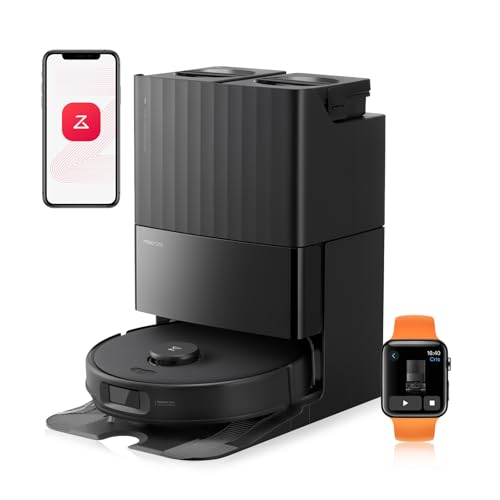
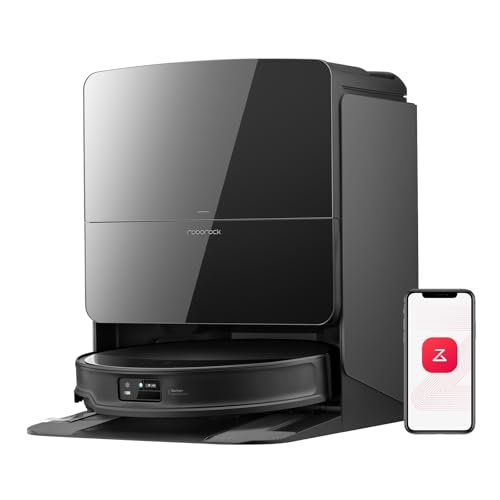
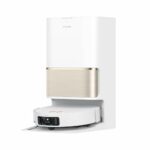
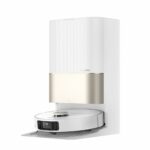
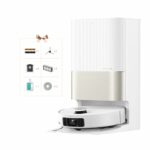
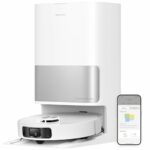
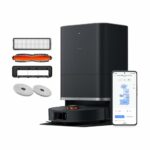
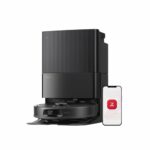
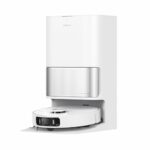
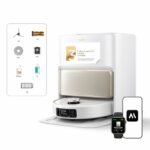
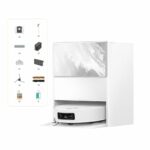
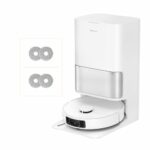
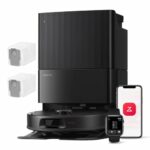
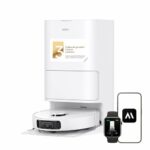
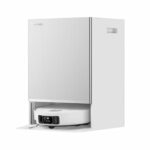
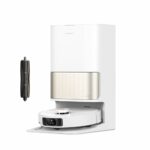
The Roborock Qrevo Edge S5A and Roborock Saros 10R represent two distinct generations of premium cleaning technology from the world's leading robot vacuum manufacturer. The Qrevo Edge S5A, launched in 2024, established itself as a capable all-rounder with solid specifications across the board. The Saros 10R arrives in 2025 with several meaningful upgrades that address practical limitations of its predecessor.
Both models deliver 18,500 Pa of suction power and feature Roborock's DuoDivide anti-tangle brush system, making them suitable for homes with pets and long-haired occupants. They share the same SmartPlan 2.0 intelligent cleaning system and RR Mason 11.0 processing algorithm. Where they differ substantially is in navigation sophistication, mopping capabilities, and overall versatility. The Saros 10R pushes boundaries with enhanced AI recognition, better obstacle management, and a voice assistant built directly into the unit.
Key Differences at a Glance
- The Saros 10R features StarSight 2.0 navigation with dual AI cameras and 3D laser sensors; the Qrevo Edge S5A uses a 3D LiDAR turret without cameras
- Battery capacity increases from 5,200 mAh to 6,400 mAh in the newer model
- The Saros 10R can lift its main brush and side brush during mopping; the Qrevo Edge S5A cannot
- Mop elevation improves from 10 mm to 12-22 mm adjustable height
- The Saros 10R mops with warm water instead of cold
- Automatic mop removal at the base station is exclusive to the Saros 10R
- The newer model includes a detergent dispenser in the base station
- Robot height drops significantly from 98 mm to 79.8 mm
- The Saros 10R recognises 108 specific obstacles and includes pet recognition
- Remote camera access and LED night vision are only available on the Saros 10R
- The 2025 model incorporates an onboard voice assistant
Suction Power and Brushing Systems
Both robots deliver identical 18,500 Pa suction, which places them firmly in the high-performance category for 2024-2025. This level of power handles everything from fine dust on hard floors to embedded debris in medium-pile carpets.
The DuoDivide anti-tangle main brush appears on both models. This design channels hair towards the centre suction point rather than wrapping it around the roller—a practical advantage for households with pets or family members with long hair. Maintenance intervals stretch considerably compared to traditional bristle brushes.
What separates these models is brush management during mopping. The Saros 10R can lift both its main brush and side brush when mopping is active, preventing wet brushes from dragging across already-cleaned areas and avoiding cross-contamination between vacuuming and mopping modes. The Qrevo Edge S5A lacks this capability, meaning its brushes remain in contact with the floor throughout the entire cleaning cycle.
Both feature an extensible side brush that reaches into corners more effectively than fixed designs. The anti-tangle properties extend to the side brush as well, reducing the frequency of manual cleaning.
Mopping Performance
The mopping systems on these robots share the same fundamental architecture—dual rotating mops with edge extension—but the Saros 10R refines the execution considerably.
Mop lift height increases from 10 mm on the Qrevo Edge S5A to an adjustable 12-22 mm on the Saros 10R. In practical terms, this means the newer model can clear thicker rugs and carpets without dampening them, whilst the 2024 version may struggle with anything beyond low-pile rugs.
Water temperature makes a tangible difference in cleaning effectiveness. The Saros 10R mops with warm water, which breaks down sticky residues and dried-on marks more effectively than the cold water used by the Qrevo Edge S5A. For kitchens and high-traffic areas where spills accumulate, this upgrade proves worthwhile.
The ability to automatically remove mops at the base station sets the Saros 10R apart when you need vacuum-only operation. The Qrevo Edge S5A requires manual mop removal if you want to avoid dragging damp pads across carpeted rooms. This becomes relevant in mixed-flooring homes where you might want pure vacuuming upstairs and mopping downstairs.
Both models detect dirt on their mops and on the floor itself, triggering additional cleaning passes or mop washing cycles as needed. The base stations on both units wash mops with hot water and dry them with heated air, preventing odours and bacterial growth between cleaning sessions. The Saros 10R adds a detergent dispenser to the base, automating the addition of cleaning solution during mop washing—the Qrevo Edge S5A relies on water alone unless you manually add detergent to the clean water tank.
Navigation Systems
Navigation represents one of the most substantial divides between these models. The Qrevo Edge S5A uses a 3D LiDAR turret for mapping and obstacle detection—a proven, reliable system that creates accurate floor plans and navigates efficiently around furniture.
The Saros 10R employs StarSight 2.0, which combines LiDAR with dual AI cameras and frontal 3D laser sensors. This multi-layered approach enables recognition of 108 specific object types, from shoes and cables to pet waste and furniture legs. The Qrevo Edge S5A can avoid obstacles but cannot identify what they are.
Pet recognition on the Saros 10R means the robot can distinguish between a sleeping cat and a cushion, adjusting its behaviour accordingly. Remote camera access lets you check on pets whilst away from home, with LED night vision ensuring visibility even in darkened rooms. The Qrevo Edge S5A offers none of these vision-based features.
For homes with complex layouts, unpredictable obstacles, or pets that leave surprises on the floor, the advanced recognition system of the Saros 10R provides meaningful peace of mind. In simpler environments with consistent furniture placement, the LiDAR-only system of the Qrevo Edge S5A performs adequately.
Battery Capacity and Runtime
Battery capacity jumps from 5,200 mAh in the Qrevo Edge S5A to 6,400 mAh in the Saros 10R—a 23% increase. Despite this, both models claim 180 minutes of runtime, suggesting the newer robot's additional features consume the extra capacity.
The cameras, enhanced sensors, and more sophisticated processing on the Saros 10R require more power than the simpler sensor array on the Qrevo Edge S5A. In practice, the identical runtime figures mean both robots handle similar-sized homes before needing to recharge, though the Saros 10R does so whilst running more demanding hardware.
Smart Features
Both robots manage 20 mm obstacles, though the Saros 10R specifies this as "simple step crossing," suggesting a more refined climbing mechanism. This height clears standard door thresholds and minor floor transitions without issue.
The Saros 10R introduces an onboard voice assistant, allowing direct voice commands to the robot itself rather than routing everything through Alexa or Google Home. The Qrevo Edge S5A supports external voice assistants but has no built-in voice interaction. For users who prefer speaking directly to their appliances rather than through a smart speaker, this distinction matters.
Base Station Specifications
The base stations share most core functions: automatic dust emptying into 2.7-litre and 2.5-litre bags respectively, hot water mop washing, heated air mop drying, and self-cleaning wash trays using the 2.0 system. Both hold 4 litres of clean water, with the Qrevo Edge S5A offering a slightly larger 3.5-litre dirty water tank compared to 3 litres on the Saros 10R.
The detergent dispenser on the Saros 10R base automates cleaning solution delivery during mop washing, maintaining consistent cleaning performance without manual intervention. The Qrevo Edge S5A requires you to add detergent to the clean water tank if you want anything beyond plain water cleaning.
Neither base offers UV disinfection or plumbed water connections, keeping maintenance straightforward but requiring periodic tank refills and emptying.
Physical Dimensions
The most dramatic dimensional change is robot height: the Saros 10R measures just 79.8 mm tall compared to 98 mm for the Qrevo Edge S5A. This 18.2 mm reduction opens access to furniture that the older model cannot reach—sofas, bed frames, and low cabinets that typically sit 80-90 mm off the floor become cleanable spaces rather than no-go zones.
Diameter remains essentially identical at 352-353 mm, so both navigate narrow gaps between furniture legs with equal ease. The weight difference is minimal.
Base station footprints differ slightly. The Qrevo Edge S5A base measures 340 mm wide, 521 mm tall, and 487 mm deep. The Saros 10R base is wider at 381 mm but shorter at 488 mm and slightly shallower at 475 mm. The newer base has a squatter profile that may suit certain spaces better, though it demands more width.
Real-World Usage Scenarios
The Qrevo Edge S5A suits homes with consistent layouts, minimal floor clutter, and straightforward cleaning needs. Its LiDAR navigation handles furniture and walls competently, whilst the 18,500 Pa suction and DuoDivide brush manage pet hair effectively. The lack of brush lift during mopping and the taller profile limit its versatility in mixed-flooring homes and under low furniture.
The Saros 10R targets users who want maximum automation and adaptability. The ability to remove mops automatically, lift brushes during mopping, and squeeze under more furniture makes it genuinely hands-off. The advanced object recognition proves valuable in homes with pets, children, or frequently changing floor obstacles. Warm water mopping delivers noticeably better results on sticky kitchen floors and dried-on marks.
For households with thick carpets, the 12-22 mm adjustable mop lift on the Saros 10R prevents dampening, whilst the Qrevo Edge S5A's fixed 10 mm lift may not clear plush pile heights. The lower profile of the Saros 10R matters significantly if you have furniture sitting 80-95 mm off the floor—that's the difference between cleaned and neglected spaces.
Both models handle large homes adequately with their 180-minute runtime, though the Saros 10R's larger battery provides headroom for future software updates that might increase power consumption. The detergent dispenser on the newer model's base reduces maintenance touchpoints, keeping mop cleaning consistent without manual dosing.
Conclusion: Which Should You Choose?
Choose the Roborock Qrevo Edge S5A if: you have a home with consistent furniture placement, minimal floor clutter, and standard-height furniture. The LiDAR navigation handles predictable environments well, and the core cleaning performance matches the newer model. If you're comfortable with manual mop removal when needed and don't require camera-based object recognition, this 2024 model delivers capable cleaning at what will likely be a lower price point.
Choose the Roborock Saros 10R if: you want the most advanced navigation available, especially in homes with pets, children, or frequently changing obstacles. The dual cameras, 108-object recognition, and pet identification provide meaningful advantages in complex environments. The lower 79.8 mm profile opens cleaning access under furniture the Qrevo Edge S5A cannot reach. Automatic mop removal, brush lifting during mopping, warm water cleaning, and the base station detergent dispenser combine to create a genuinely hands-off experience. If you have mixed flooring with thick rugs or carpets, the adjustable 12-22 mm mop lift prevents dampening. The built-in voice assistant and remote camera access add convenience for users who value direct interaction and pet monitoring.