Introduction
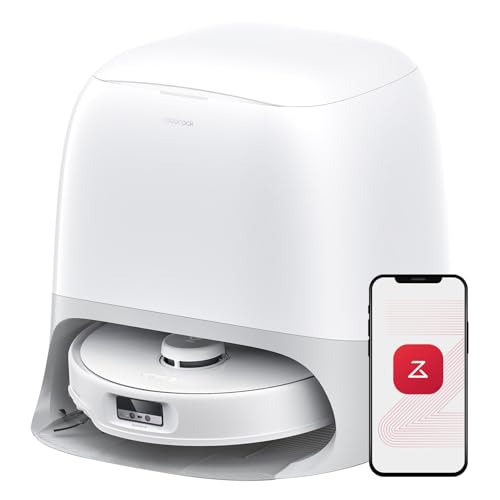
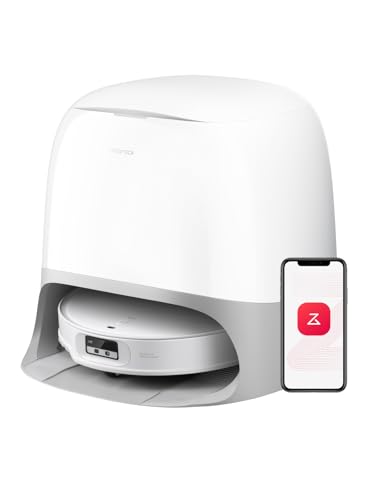
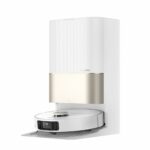
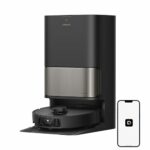
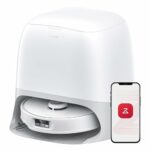
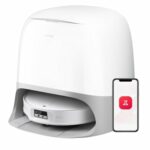
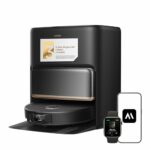
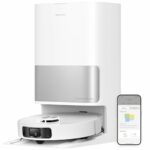
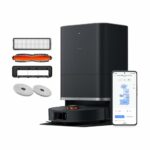
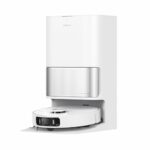
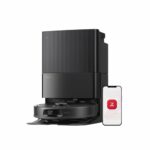
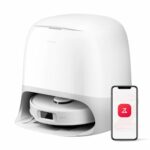
The Roborock Qrevo Curv and Roborock Qrevo CurvX represent two generations of premium robot vacuum technology from the world's leading manufacturer. The Qrevo Curv arrived in 2024 as a flagship model, whilst the CurvX launched in 2025 with refinements aimed at addressing some of the practical challenges faced by users with varied home layouts. Both models sit firmly in the high-end segment, equipped with multifunctional bases that handle washing and drying of mopping pads automatically.
These aren't budget options. They're designed for homeowners who want comprehensive floor cleaning without manual intervention, particularly those dealing with mixed flooring types and obstacles like furniture legs or raised thresholds. The question isn't whether either model performs well—they both do—but rather which specific design choices make one more suitable than the other for your particular living space.
Suction Power and Brushwork
Suction strength sees a noticeable jump with the CurvX delivering 22,000 Pa compared to the Qrevo Curv's 18,500 Pa. In practical terms, this translates to better performance on carpets and rugs, particularly when dealing with embedded dirt or pet hair that's worked its way into fibres. For homes with predominantly hard floors, the difference matters less, but anyone with medium to thick carpeting will appreciate the extra pulling power.
Both models use Roborock's DuoDivide anti-tangle main brush, which pushes hair and debris towards the central suction channel rather than allowing it to wrap around the roller. This design genuinely reduces maintenance time. The main brush lifts automatically during mopping to prevent wet contact with carpets—a feature both share.
The side brush setup remains identical between models. You get an extensible side brush that reaches further into corners, and it includes anti-tangle properties. Neither model lifts the side brush when mopping, which can occasionally flick water droplets onto carpets if you're running a combined clean near transitions.
Mopping Performance
Both robots employ dual rotating mopping pads that extend outward to reach skirting boards and edges more effectively. The extension feature works well in practice, getting closer to walls than fixed-width systems manage. Mop elevation differs slightly between the two: the Qrevo Curv lifts pads 10-20 mm whilst the CurvX manages 7-17 mm. Either height clears most low-pile rugs, though the Qrevo Curv has a marginal advantage with thicker mats.
The multifunctional bases on both models wash mopping pads with hot water during cleaning sessions, ensuring the robot returns to work with clean pads rather than spreading dirty water around. After completion, hot air drying prevents bacterial growth and musty odours. Neither model can automatically detach mopping pads at the base for vacuum-only sessions, so you'll need to remove them manually if you only want to vacuum.
Dirt detection technology features on both robots, identifying heavily soiled areas on floors and adjusting cleaning intensity accordingly. The same sensors monitor mop cleanliness, triggering additional washing cycles when needed. Water temperature for mopping remains cold on both—the hot water function applies only to pad washing at the base.
Navigation Systems
Here's where the design philosophy diverges meaningfully. The Qrevo Curv uses a conventional LiDAR turret that protrudes from the top of the unit—reliable and proven, but adding to the overall height. The CurvX switches to a retractable LiDAR system that tucks away when not needed, contributing directly to its slimmer 79.8 mm profile.
Both models feature dual AI cameras and frontal laser 3D sensors for obstacle detection. The CurvX recognises 108 different object types compared to 62 on the Qrevo Curv. This expanded recognition library helps avoid more items without human intervention, reducing the likelihood of getting stuck or requiring rescue. Pet recognition works on both, useful if you've got dogs or cats that occasionally leave toys scattered about.
LED lighting assists both robots during low-light navigation, and you can access the cameras remotely through the Roborock app—handy for checking on pets or simply seeing what the robot encountered during its travels. Neither model detects curtains specifically, so take care with floor-length drapes that might get caught in the brushes.
Battery Life and Coverage
The Qrevo Curv runs for approximately 240 minutes on a full charge, whilst the CurvX manages around 220 minutes. Both use identical 6,400 mAh batteries, so the runtime difference likely stems from the increased power consumption of the CurvX's stronger suction motor. For most homes, even 220 minutes provides ample coverage—you're looking at substantial floor area before needing a recharge.
In real-world use, runtime varies based on floor type, suction settings, and whether you're mopping simultaneously. Carpeted areas drain batteries faster than hard floors, and maximum suction settings reduce runtime significantly. Neither specification sheet provides exact coverage area estimates, but these runtimes comfortably handle large properties with room to spare.
Smart Features
Both robots navigate stepped obstacles with similar capability, managing simple thresholds and transitions between rooms. Neither includes a robotic arm—that technology remains absent from Roborock's current lineup.
Voice control works through Roborock's own voice assistant built into both models, plus compatibility with external systems like Alexa and Google Home. The SmartPlan 2.0 AI cleaning feature analyses your home layout and creates optimised cleaning schedules based on room usage patterns, working identically on both robots.
Multifunctional Base Station
The base stations share most characteristics: 2.5-litre dust bags, 4-litre clean water tanks, and 3-litre dirty water capacity. Both auto-empty the robot's dustbin, wash mopping pads with hot water, and dry them with heated air afterwards. Neither offers UV disinfection or detergent dispensers, and neither connects directly to household plumbing—you'll need to refill and empty tanks manually.
The CurvX introduces version 3.0 of the self-cleaning tray system compared to version 2.0 on the Qrevo Curv. Roborock hasn't detailed the specific improvements publicly, but typically these iterations improve water distribution and scrubbing effectiveness during the base's own cleaning cycle. Both bases measure 450 mm in width, height, and depth—substantial units that need dedicated space.
Physical Dimensions
Height makes the most significant dimensional difference. At 79.8 mm, the CurvX slips under furniture that the 103 mm Qrevo Curv cannot access. That 23.2 mm reduction opens up cleaning areas beneath many sofas, beds, and cabinets that would otherwise require manual vacuuming. If you've got low-clearance furniture, this matters considerably.
Diameter stays virtually identical at 352-353 mm, so both robots navigate doorways and tight spaces equally well. The Qrevo Curv's larger internal capacity for dust (325 ml versus 258 ml) and water (80 ml versus 69 ml) reflects the extra space available in its taller body. For extended cleaning sessions between base returns, the Qrevo Curv holds more, though both return frequently enough during mopping that the difference rarely impacts performance.
Real-World Usage Scenarios
The CurvX suits homes with abundant low-clearance furniture where that sub-80 mm height unlocks previously inaccessible areas. The retractable LiDAR design serves a genuine purpose here rather than being merely aesthetic. Stronger suction also benefits households with thick carpets or multiple pets that shed heavily—that jump to 22,000 Pa handles embedded fur more effectively.
The Qrevo Curv works better when you need maximum mop elevation for thicker rugs, and the longer 240-minute runtime helps in particularly large properties, though the difference amounts to roughly 20 minutes. The larger onboard tanks mean fewer returns to base during vacuum-only sessions, which can shorten overall cleaning time marginally in sprawling layouts.
Both robots handle mixed flooring well thanks to automatic brush and mop lifting. Pet owners benefit from the DuoDivide brush system on either model—it genuinely reduces hair tangles compared to conventional rollers. The hot water mop washing prevents the unpleasant smells that plague robots with cold-water systems, keeping maintenance more pleasant.
Conclusion: Which Should You Choose?
Choose the Roborock Qrevo Curv if: you've got furniture with standard clearances and value the slightly longer battery life. The larger internal capacities suit extended vacuum-only sessions, and the higher mop lift handles thicker transitional rugs more confidently. If you're working with the 2024 model at a reduced price compared to the newer CurvX, the performance gap doesn't justify a significant premium.
Choose the Roborock Qrevo CurvX if: low furniture defines your home layout and you need that sub-80 mm clearance. The stronger 22,000 Pa suction makes a real difference on carpets, particularly with pets in the household. Expanded object recognition reduces intervention frequency, and the upgraded base cleaning system represents incremental but welcome refinement. For anyone buying new in 2025, the CurvX addresses the most common practical limitation of the earlier model—that inability to clean beneath low-clearance furniture.
Ultimately, this comparison between robot aspirador Roborock models comes down to specific home requirements. Neither represents a budget option, but both deliver comprehensive automated cleaning that justifies the investment if you want minimal manual involvement. The height difference matters more than any other single specification for most users—measure your furniture clearances before deciding.