Introduction
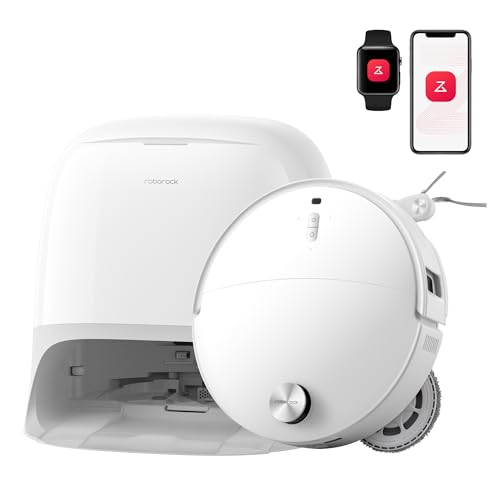
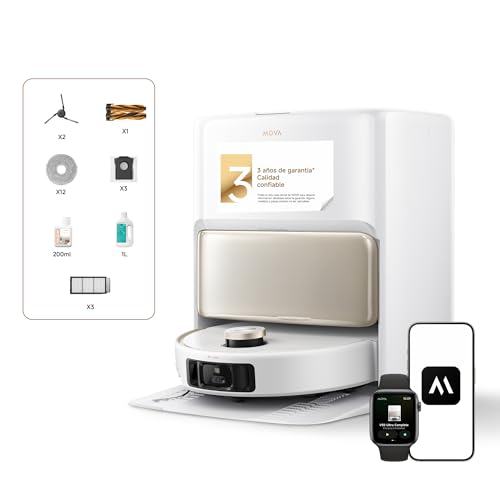
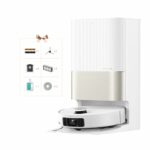
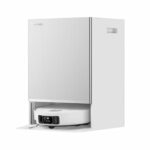
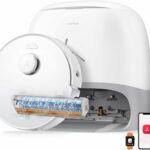
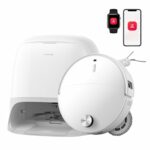
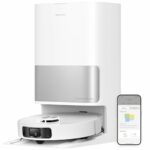
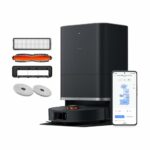
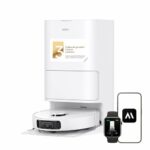
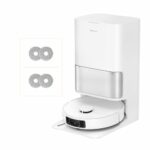
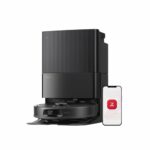
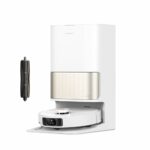
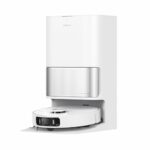
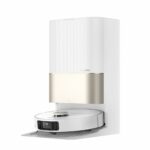
The Roborock Qrevo Curv 2 Pro and Mova V50 Ultra represent two of the most advanced cleaning solutions released in 2025. These aren't entry-level machines—both come equipped with multifunctional bases, dual rotating mops, and sophisticated AI navigation systems designed to handle the demands of modern households. When choosing between these models, understanding the nuances in their performance becomes essential, particularly when the specifications appear remarkably similar at first glance.
The Qrevo Curv 2 Pro arrives from Roborock, the brand widely recognised as the global leader in robotic vacuum cleaners. Meanwhile, the Mova V50 Ultra comes from a manufacturer closely linked to Dreame, offering competitive features that often challenge more established names. Both target users seeking comprehensive cleaning automation with minimal manual intervention, though their approaches differ in subtle yet meaningful ways.
Key Differences at a Glance
- The Roborock delivers 25,000 Pa suction versus 24,000 Pa from the Mova
- Autonomy differs significantly: 290 minutes for the Qrevo Curv 2 Pro against 220 minutes for the V50 Ultra
- The Mova features hot water mopping at 55°C, whilst the Roborock uses cold water
- Only the Mova V50 Ultra includes UV disinfection and a dual detergent dispenser
- The Mova offers side brush elevation; the Roborock doesn't
- Dust bag capacity reaches 3.2 litres in the Mova versus 2.5 litres in the Roborock
- The Qrevo Curv 2 Pro measures just 79.8 mm tall, compared to 89.5 mm for the V50 Ultra
- Curtain detection appears exclusively on the Mova model
Suction Power and Brushing System
Suction power sits at 25,000 Pa for the Roborock Qrevo Curv 2 Pro, edging past the Mova V50 Ultra's 24,000 Pa. In practical terms, this thousand-pascal difference might prove negligible on hard floors but could matter when dealing with deep-pile carpets or embedded pet hair. Both machines share the same 6,400 mAh battery capacity, yet the Roborock extracts 290 minutes of runtime compared to 220 minutes from the Mova—a substantial 70-minute advantage that translates to greater coverage before requiring a recharge.
The main brush systems differ in design philosophy. Roborock employs its DuoDivide anti-tangle system, which channels hair and debris towards the central suction point to minimise tangling. The Mova counters with a double anti-tangle brush configuration. Both manufacturers elevate their main brushes during mopping to prevent carpet contamination with moisture.
Where the models diverge noticeably is in side brush management. The Mova V50 Ultra lifts its side brush when mopping, preventing it from flicking dirty water onto cleaned areas—a feature absent from the Qrevo Curv 2 Pro. This becomes particularly relevant during combined vacuum-and-mop sessions. Both extend their side brushes to reach into corners more effectively, and both incorporate anti-tangle technology to reduce maintenance hassles.
Mopping Performance
Both robots employ dual rotating mops that extend to reach edges more thoroughly. The Roborock achieves mop extension through a standard mechanism, whilst the Mova incorporates a swing movement that helps the mop reach slightly under furniture overhangs and along skirting boards.
Mop elevation differs between the models. The Qrevo Curv 2 Pro raises its mops between 7 and 17 mm depending on the situation, offering greater clearance when transitioning to carpets. The Mova V50 Ultra lifts to 10.5 mm—still sufficient for most scenarios but with less range. Both automatically remove their mops at the base when you want pure vacuuming without any mopping attachment.
The most striking difference appears in water temperature. The Mova V50 Ultra heats water to 55°C for floor mopping, which can help dissolve stubborn grime and grease more effectively than cold water. The Roborock Qrevo Curv 2 Pro sticks with cold water for floor cleaning. However, both wash their mops with hot water at the base, and both dry them using heated air to prevent odours and bacterial growth.
Dirt detection works on both models, monitoring mop cleanliness and floor soil levels to trigger additional cleaning passes when needed. This intelligence ensures heavily soiled areas receive extra attention without manual intervention.
Navigation System
Navigation hardware appears nearly identical. Both feature retractable LiDAR for precise mapping, dual AI cameras for object recognition, and frontal 3D laser sensors to detect obstacles. Each system recognises up to 200 different object types and includes specific pet recognition capabilities. LED illumination enables both to navigate in darkness, and remote camera access lets you check on your home through the robot's eyes.
The Mova V50 Ultra adds curtain detection to its repertoire, allowing it to identify and navigate around hanging fabrics without becoming entangled. The Roborock lacks this specific feature. Intelligent cleaning algorithms differ in branding—Roborock calls theirs SmartPlan 3.0, whilst Mova uses CleanGenius AI—but both adapt cleaning patterns based on room type, dirt levels, and previous cleaning history.
Battery Life and Coverage
The 290-minute runtime of the Roborock Qrevo Curv 2 Pro significantly outpaces the Mova's 220 minutes despite identical battery capacities. This suggests more efficient power management from Roborock's system. For larger homes or those requiring frequent cleaning cycles, this extended autonomy reduces the likelihood of interrupted sessions or multiple charging breaks.
Neither manufacturer specifies charging times in the available data, but the practical impact of the autonomy difference becomes clear when calculating coverage potential. The extra 70 minutes could translate to cleaning an additional 30-40 square metres per session, depending on floor type and cleaning mode intensity.
Smart Features
Obstacle-climbing capability reaches 4 cm for the Roborock Qrevo Curv 2 Pro, whilst the Mova V50 Ultra manages 3 cm. That extra centimetre helps when dealing with taller door thresholds or transitioning between rooms with different flooring heights. In homes with significant level changes, this could determine whether the robot completes its route or requires manual assistance.
Both models include their own voice assistants and integrate with external systems like Alexa and Google Home. Neither features a robotic arm for additional cleaning tasks—these remain pure vacuum-mop combinations without extended manipulation capabilities.
Multifunctional Base Station
Both base stations automatically empty the robot's dust container, wash mops with hot water, and dry them using heated air. The Roborock employs its 3.0 generation self-cleaning tray system, whilst Mova uses third-generation technology—functionally equivalent approaches to keeping the base hygienic.
The Mova V50 Ultra distinguishes itself with UV disinfection within the base, adding an extra sanitisation layer for the mops and internal pathways. It also incorporates a dual detergent dispenser, allowing you to use different cleaning solutions for various floor types or cleaning tasks. The Roborock Qrevo Curv 2 Pro includes neither UV treatment nor detergent dispensing.
Dust bag capacity favours the Mova at 3.2 litres versus 2.5 litres for the Roborock, meaning less frequent bag replacements—particularly beneficial for larger homes or those with shedding pets. Clean water tanks match at 4 litres, but the Mova's dirty water reservoir holds 3.5 litres compared to 3 litres in the Roborock, reducing the frequency of emptying soiled water.
Neither model offers integrated plumbing connections or optional kits for permanent water supply—both require manual refilling and emptying.
Physical Dimensions
Height becomes crucial when considering furniture clearance. The Roborock Qrevo Curv 2 Pro stands just 79.8 mm tall, nearly a full centimetre lower than the Mova V50 Ultra's 89.5 mm profile. This difference allows the Roborock to slip beneath more sofas, beds, and cabinets where dust accumulates but access remains limited.
Diameter measurements prove virtually identical—352 mm for the Roborock versus 350 mm for the Mova—so turning radius and navigational footprint remain comparable.
Base station dimensions vary slightly. The Roborock measures 450 mm in width, height, and depth, forming a perfect cube. The Mova comes in at 420 mm wide, 470 mm tall, and 458 mm deep—slightly narrower but taller and deeper. Consider your available floor space when determining which footprint suits your home better.
Real-World Usage Scenarios
For larger properties, the Roborock Qrevo Curv 2 Pro's extended 290-minute autonomy provides clear advantages, covering more ground before returning to charge. Its lower profile makes it particularly suitable for homes with low-clearance furniture where cleaning access typically requires moving items or manual vacuuming.
Homes with persistent grease or sticky residues might benefit from the Mova V50 Ultra's hot water mopping at 55°C, which tackles stubborn marks more effectively than cold water. The UV disinfection and dual detergent system add value for households prioritising sanitisation or dealing with varied flooring materials requiring different cleaning solutions.
Pet owners will find both models capable, thanks to anti-tangle brush systems and generous suction power. The Mova's larger 3.2-litre dust bag means fewer interruptions for homes with heavy shedding, whilst the Roborock's superior autonomy ensures complete coverage even in multi-room layouts with furry inhabitants.
The Mova's side brush elevation during mopping prevents dirty water splatter—something worth considering if you frequently run combined vacuum-mop cycles rather than separating these tasks. The Roborock's higher suction might prove beneficial on thick carpets or rugs where embedded debris requires extra extraction force.
Conclusion: Which to Choose?
Choose the Roborock Qrevo Curv 2 Pro if: you have a larger home requiring extended runtime without recharging, furniture with limited ground clearance demands a slimmer profile, or you prioritise maximum suction power for deep carpet cleaning. This model suits those who value proven brand reliability and don't require hot water mopping or UV sanitisation features.
Choose the Mova V50 Ultra if: hot water mopping appeals for tackling greasy floors, UV disinfection matters for your household hygiene standards, or you want dual detergent dispensing for different floor types. The larger dust bag capacity benefits homes with heavy debris generation, and curtain detection helps if you have many hanging fabrics. The side brush elevation during mopping keeps things tidier during combined cleaning sessions.
Both represent excellent choices in the 2025 robot aspirador market, with the decision ultimately resting on whether you value the Roborock's extended autonomy and lower profile, or the Mova's enhanced mopping capabilities and sanitisation features. Consider your specific floor types, home layout, and cleaning priorities when making this choice between two genuinely capable machines.