Introduction
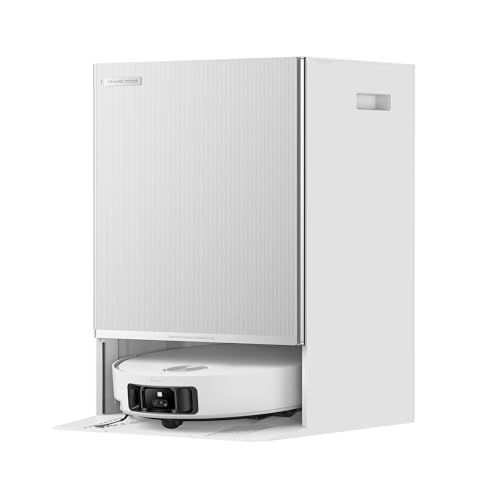
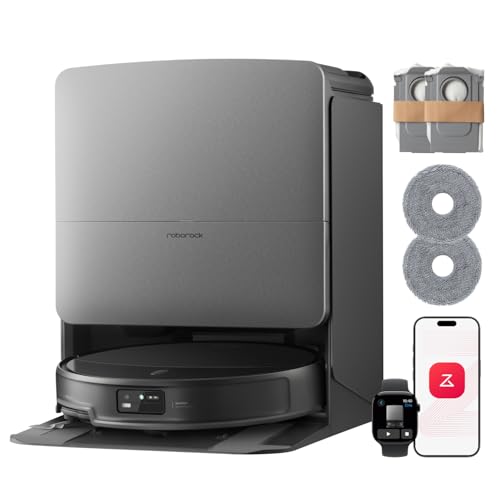
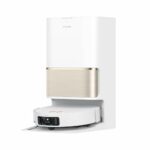
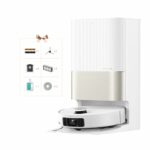
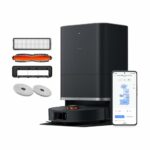
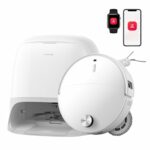
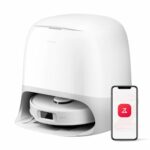
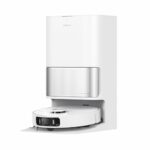
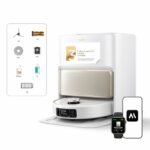
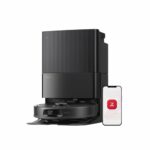
The Dreame Matrix10 Ultra and Roborock Saros 20 represent two of the most advanced cleaning solutions available in 2025 and early 2026. These aren't basic vacuum robots—both feature comprehensive multifunctional bases that handle everything from self-emptying to mopping with hot water and automatic drying. The Matrix10 Ultra arrived in 2025 with Dreame's signature approach of packing premium features at competitive prices, whilst the Saros 20 landed in February 2026 as Roborock's latest flagship, pushing boundaries with enhanced suction and refined navigation.
Both models target users who want minimal intervention in their cleaning routines. If you've got a large home with mixed flooring, pets shedding fur constantly, or simply want a robot that genuinely handles mopping properly rather than just dragging a damp cloth around, these are serious contenders. The question isn't whether they're capable—it's which one matches your specific needs better.
Power and Suction Performance
Suction power separates these two clearly. The Roborock Saros 20 pulls 36,000 Pa, giving it a noticeable edge over the Matrix10 Ultra's 30,000 Pa. In practical terms, that extra power helps when dealing with ground-in dirt on carpets or extracting debris from grout lines in tiled floors. Both figures sit at the top end of what's available, but if you've got high-pile rugs or a household that tracks in serious dirt, those extra 6,000 Pa aren't just numbers on a spec sheet.
The brush systems take different approaches. Dreame's dual HyperStream brush configuration uses two independently anchored brush elements designed specifically to prevent hair tangles—a genuine advantage if you're constantly cutting hair out of traditional brushes. Roborock counters with its DuoDivide system, which channels hair and debris towards the central suction point rather than letting it wrap around the brush. Both work, but the philosophies differ: Dreame prevents wrapping entirely, whilst Roborock guides everything away efficiently.
Both robots lift their main brushes when mopping and feature extendable, liftable side brushes with anti-tangle properties. This means neither will drag dirty brushes across freshly mopped floors, and both reach into corners more effectively than fixed side brushes. These features have become essential rather than premium extras, and it's good to see both manufacturers including them as standard.
Mopping Capabilities
The mopping systems share fundamental similarities—both use dual rotating mop pads and extend them to reach edges—but the execution reveals telling differences. The Dreame Matrix10 Ultra heats mopping water to 58°C, which helps break down sticky residues and grease far more effectively than cold water. Roborock specifies warm water but doesn't commit to a temperature, which suggests it's likely lower than Dreame's system.
Mop elevation tells another story. The Saros 20 lifts its pads between 12-22 mm depending on the surface, whilst the Matrix10 Ultra manages 10.5 mm. That extra height on the Roborock means it can tackle thicker rugs without getting them damp, and it's less likely to drag wet mops onto carpeted areas if your floor plan mixes surfaces.
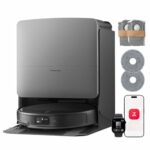
Where Dreame pulls ahead dramatically is mop management. The Matrix10 Ultra includes three pairs of mop pads that the robot changes automatically at the base. When one pair gets too dirty, the base swaps them out without any intervention. The Roborock doesn't offer this—you'll need to handle mop changes manually. For large homes or anyone who finds touching dirty mop pads unpleasant, this feature alone might justify choosing the Dreame.
Both systems wash mops with hot water during cleaning sessions and dry them with heated air afterwards to prevent odours. They also detect dirt on the mops themselves and on the floor, triggering additional cleaning passes when needed. The Matrix10 Ultra's base self-cleans at 3.5° intervals, whilst the Saros 20 uses hot water for its self-cleaning cycle. Both approaches work well for maintaining hygiene without manual scrubbing.
Navigation Systems
Navigation technology determines how efficiently these robots clean and how well they avoid obstacles. The Matrix10 Ultra uses a retractable LiDAR system paired with dual RGB cameras, whilst the Roborock Saros 20 employs its StarSight 2.0 navigation with dual cameras and 3D laser sensors. Both see in the dark thanks to LED illumination, and both offer remote camera access through their apps.
The Saros 20 recognises 300 different obstacle types compared to 240 on the Matrix10 Ultra. In everyday use, this translates to slightly better decision-making when encountering unusual objects—the Roborock might correctly identify and navigate around items that the Dreame treats more cautiously. Both handle pet recognition and curtain detection, so they won't get tangled or disturb sleeping animals.
Intelligence extends beyond obstacle avoidance. The Matrix10 Ultra runs Dreame's AI Sage 15.0 octa-core processor with CleanGenius AI, whilst the Roborock uses SmartPlan 3.0. Both systems learn your home's layout, identify particularly dirty areas, and adjust cleaning patterns accordingly. The Dreame's processor specification sounds impressive on paper, though real-world performance differences between these AI systems tend to be subtle rather than dramatic.
Battery and Autonomy
Both robots pack identical 6,400 mAh batteries, but only Dreame specifies runtime: 260 minutes on a single charge. That's more than four hours of continuous operation, enough for most homes even at higher suction settings. Roborock hasn't published autonomy figures for the Saros 20, which makes direct comparison impossible. In practice, battery capacity matters less than you'd think with multifunctional bases—both robots return automatically to recharge or wash mops as needed, then resume where they left off.
Smart Features
Both models handle single-step obstacles up to 20 mm, meaning they'll climb over door thresholds, thick rug edges, and similar barriers without getting stuck. This capability has become standard on premium robots, and it's essential for homes with varied flooring levels.
Neither includes a robotic arm—a feature that remains rare even at this price point. Both do integrate their own voice assistants alongside compatibility with Alexa and Google Home, so you can control them through your existing smart home ecosystem or use the manufacturer's built-in voice system.
Multifunctional Base Station
The base stations handle the dirty work, and differences here affect daily convenience significantly. The Matrix10 Ultra's base holds 5.5 litres of clean water and 3.2 litres in its dust bag, whilst the Saros 20 manages 4 litres and 2.5 litres respectively. Larger capacities mean less frequent refilling and emptying—potentially weeks between interventions in average-sized homes.
Dreame's triple detergent system stands out. Three separate tanks let you use different cleaning solutions for various floor types or cleaning tasks without mixing or switching bottles. The Roborock includes a single detergent tank, which works perfectly well but lacks that flexibility.
The Matrix10 Ultra offers an optional kit for connecting to household plumbing, eliminating manual water management entirely. You'll need to purchase this separately, so it's not a major differentiator, but it's worth knowing the option exists if you want truly hands-off operation. The Saros 20 doesn't offer this accessory.
Neither base includes UV disinfection, which has largely fallen out of favour as hot water washing and drying proves sufficient for hygiene. Both bases handle self-cleaning of their washing trays automatically.
Physical Dimensions
Size matters when you're trying to clean under furniture. The Roborock Saros 20 measures just 79.8 mm tall, making it noticeably lower than the Matrix10 Ultra's 89 mm height. That 9.2 mm difference determines whether the robot fits under certain sofas, bed frames, and cabinets. If you've got low-clearance furniture, measure carefully—the Roborock will access spaces the Dreame simply can't reach.
Diameter is nearly identical: 350 mm for the Dreame versus 353 mm for the Roborock. Neither has an advantage navigating tight spaces or turning in small rooms.
Base dimensions reveal different priorities. The Matrix10 Ultra's base measures 416 mm wide, 590 mm tall, and 457 mm deep—a substantial footprint. The Saros 20's base is more compact at 381 mm wide and 488 mm tall, though it's slightly deeper at 475 mm. If you're tight on floor space, the Roborock's base takes up less room, though you'll need to account for depth when positioning it against walls.
Real-World Usage Scenarios
For large homes, the Matrix10 Ultra's larger water and dust capacities reduce maintenance frequency, whilst its automatic mop changing system means you can run extended cleaning sessions without intervention. The 260-minute battery life confirms it's built for substantial floor areas. The triple detergent system suits homes with multiple floor types—wood in living areas, tile in kitchens, stone in bathrooms—where different cleaning solutions work best.
Pet owners will appreciate both models' anti-tangle brush systems and strong suction, but the Roborock's extra 6,000 Pa gives it an edge with embedded pet hair in carpets. Both recognise animals and adjust behaviour accordingly, avoiding startled cats or sleeping dogs.
If your home has low furniture, the Saros 20's 79.8 mm height becomes crucial. That sub-80 mm profile accesses areas the taller Dreame can't reach, potentially leaving cleaner floors with less manual intervention.
The Matrix10 Ultra's 58°C mopping water tackles kitchen floors and sticky spills more aggressively than warm water systems. For homes where floors see cooking splatters, pet accidents, or tracked-in mud regularly, that temperature boost makes a practical difference.
Conclusion: Which Should You Choose?
Choose the Dreame Matrix10 Ultra if: You want maximum convenience with automatic mop changing and prefer not to touch dirty pads. The triple detergent system appeals if you've got varied flooring requiring different cleaning solutions. Larger water and dust capacities suit bigger homes where you'd rather refill less frequently. The 58°C hot water mopping works better for sticky kitchen floors and stubborn stains. You value the option to add plumbing connectivity later for completely hands-free operation.
Choose the Roborock Saros 20 if: Raw suction power matters most—the 36,000 Pa handles deep carpet cleaning and heavy debris better. You've got low-clearance furniture where the 79.8 mm height makes the difference between cleaning underneath or not. The more compact base fits your available space better. You prefer Roborock's established reputation and app ecosystem. The enhanced obstacle recognition with 300 object types gives you confidence in complex homes with lots of clutter. The greater mop lift height suits homes with thick rugs that need serious clearance when mopping.
Both represent excellent choices at the premium end of robot vacuum technology. The Matrix10 Ultra leans towards convenience and capacity, whilst the Saros 20 prioritises raw cleaning power and compact dimensions. Your home's layout, furniture clearances, and floor types will likely make the decision clearer than any spec sheet comparison.