Introduction
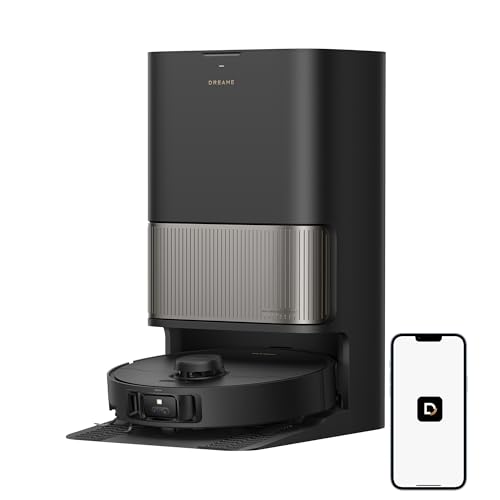
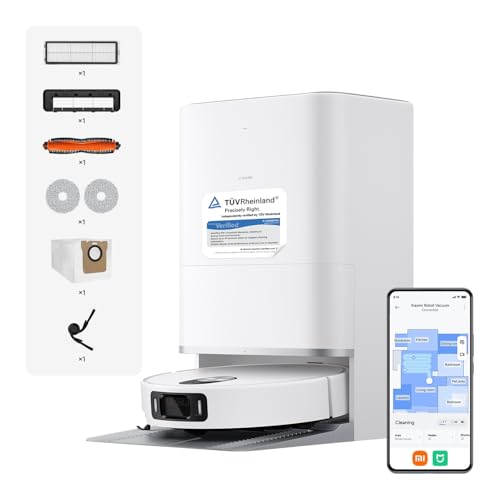
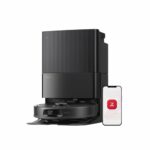
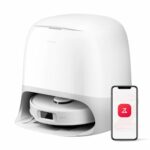
The Dreame L40s Pro Ultra and Xiaomi Robot Vacuum 5 Pro represent two of the most advanced cleaning solutions available in 2025. Both models belong to the premium segment, featuring multifunction bases that handle everything from self-emptying to mop washing and drying. These aren't entry-level devices—they're designed for users who want a truly hands-off cleaning experience.
What makes this comparison particularly interesting is that Dreame manufactures many of Xiaomi's robots, yet these two models take noticeably different approaches to solving the same cleaning challenges. The L40s Pro Ultra emphasises versatility with features like mop removal and detergent dispensing, whilst the Xiaomi focuses on raw suction power and a slimmer profile. For households seeking comprehensive automation with minimal intervention, either could be a strong candidate, though the details reveal which might suit your specific needs better.
Power and Suction
The Xiaomi Robot Vacuum 5 Pro edges ahead with 20,000 Pa of suction power, giving it a slight advantage over the Dreame's 19,000 Pa. In practical terms, this thousand-pascal difference might be noticeable on deep-pile carpets or when tackling stubborn debris, though both figures sit comfortably in the high-performance bracket for 2025.
Where things get more interesting is the brushwork. The Dreame L40s Pro Ultra uses a dual HyperStream brush system—a design that anchors two brushes at one end to minimise hair tangles. The Xiaomi counters with TriCut 3.0, which combines bristles with integrated blades that slice through tangled hair as it cleans. For homes with long-haired occupants or shedding pets, both systems aim to reduce maintenance, though they achieve it through different engineering approaches.
Both models can elevate their main brush during mopping to avoid dragging wet debris across the floor. However, the Dreame goes further by also lifting its side brush when mopping, which prevents the side brush from flicking water onto skirting boards or furniture legs. The Xiaomi's side brush stays down throughout. Both feature extensible side brushes that reach into corners more effectively, and both have anti-tangle designs for the side brush too.
Mopping Performance
Both robots use dual rotating mops to scrub floors rather than simply dragging a damp cloth behind them. The Dreame's mops extend outward and incorporate a swing motion—essentially a wiggling movement that pushes the mop slightly under furniture edges and skirting boards. The Xiaomi's mops also extend for edge cleaning, though without the additional swing action.
Mop elevation tells another story. The Xiaomi lifts its mops 15 mm when transitioning to carpet, whilst the Dreame manages 10.5 mm. That extra height on the Xiaomi provides better clearance for medium-pile rugs, reducing the risk of dampening carpet fibres. Still, 10.5 mm handles most hard-floor-to-rug transitions without issue.
A standout feature on the Dreame is its ability to automatically dismount the mops at the base when you only want to vacuum. This means you can run a pure vacuuming session without manually removing the mop pads. The Xiaomi requires you to handle this yourself if you want to avoid carrying mops around during vacuum-only runs.
Both bases wash mops with hot water and dry them using warm air, which accelerates drying and helps prevent bacterial growth and unpleasant odours. Both also detect dirt on the mops and the floor, triggering re-washes or additional passes when necessary. The Dreame's base features third-generation self-cleaning for its washing tray, whilst the Xiaomi offers tray cleaning without specifying the generation of the technology.
Navigation System
The Dreame L40s Pro Ultra uses a 3D LiDAR turret for mapping and navigation, paired with dual AI cameras for object recognition. The Xiaomi employs a retractable LiDAR system—likely designed to keep the robot's height down—alongside its own AI camera setup. Both include front-mounted 3D laser sensors and LED lighting for low-light conditions, plus remote camera access so you can check in on your home via the app.
Object recognition differs meaningfully here. The Xiaomi can identify up to 200 different obstacles, compared to 180 on the Dreame. However, the Dreame specifically recognises pets and curtains, which the Xiaomi doesn't. For households with cats or dogs, this means the Dreame can adjust its behaviour around animals—useful for avoiding startled pets or fresh accidents. Curtain detection helps prevent the robot from getting tangled in floor-length drapes, something that's genuinely handy in practice.
Both models feature AI-driven cleaning intelligence—CleanGenius on the Dreame, and Xiaomi's own system—that adjusts suction and mopping intensity based on detected dirt levels and floor types. Both can spot stains and focus extra attention where needed.
Battery and Autonomy
Both robots pack identical 5,200 mAh batteries, yet their runtime differs dramatically. The Dreame L40s Pro Ultra runs for 220 minutes on a single charge, whilst the Xiaomi manages 140 minutes. That's an 80-minute gap—nearly an hour and a half of extra cleaning time for the Dreame.
This difference likely stems from how each robot manages power across its various systems. For larger homes or multi-storey cleaning sessions, the Dreame's extended runtime means fewer mid-clean returns to the base. The Xiaomi's shorter autonomy isn't necessarily a dealbreaker for average-sized homes, but it does mean the robot may need to recharge and resume more frequently in sprawling properties.
Smart Features
Both robots can climb obstacles up to 20 mm high, allowing them to transition between rooms with small thresholds or raised floor sections without getting stuck. The Dreame notes this as "simple step climbing," whilst the Xiaomi specifies the 20 mm height directly.
The Dreame includes its own built-in voice assistant, letting you issue commands directly to the robot without relying on Alexa or Google Home. The Xiaomi supports external voice assistants but doesn't have its own onboard. This might appeal to users who prefer keeping their smart home ecosystem consolidated, though it's a convenience feature rather than a critical one.
Multifunction Base
Both bases handle the full suite of maintenance tasks: self-emptying the dustbin, washing mops with hot water, and drying them with warm air. The Dreame's base holds a 3.2-litre dust bag compared to the Xiaomi's 2.5-litre capacity, meaning slightly longer intervals between bag changes—useful if you're aiming for truly hands-off operation over several weeks.
Water tank sizes are generous on both. The Dreame carries 4.5 litres of clean water and 4 litres of dirty water; the Xiaomi holds 4 litres clean and 3.8 litres dirty. These capacities support multiple mopping sessions without refilling, though the Dreame's slightly larger tanks extend that window a bit further.
The Dreame includes a detergent dispenser in the base, automatically adding cleaning solution during mop washing. The Xiaomi doesn't offer this, so you'll need to manage detergent manually if you want to use it. Additionally, the Dreame offers an optional plumbing connection kit (sold separately) that lets you hook the base directly to water and drainage lines, eliminating manual tank refills altogether. The Xiaomi doesn't have this option.
Dimensions
Both robots share the same 350 mm diameter, but height differs significantly. The Xiaomi measures just 88 mm tall, whilst the Dreame stands at 103.8 mm. That 15.8 mm difference translates to better furniture clearance for the Xiaomi—it'll slip under sofas, beds, and cabinets that the Dreame simply can't reach. If you've got low-clearance furniture, this becomes a deciding factor.
Base dimensions are comparable. The Dreame's base measures 340 mm wide, 590.5 mm tall, and 456.7 mm deep. The Xiaomi's comes in at 360 mm wide, 572 mm tall, and 470 mm deep. The Xiaomi base is slightly wider and deeper but a touch shorter. Neither is particularly compact, so you'll need to allocate proper space in a utility area or corner.
Real-World Use
For larger homes, the Dreame's 220-minute battery life and bigger dust bag make it the more practical choice. You'll spend less time managing recharges and bag changes, and the detergent dispenser keeps mopping effective without manual intervention. The ability to auto-remove mops for vacuum-only sessions adds genuine convenience if you alternate between tasks.
Homes with pets benefit from the Dreame's specific animal recognition and its dual HyperStream brushes, which resist hair tangles effectively. That said, the Xiaomi's TriCut 3.0 system also handles pet hair well, and its higher suction power might edge ahead on embedded fur in carpets.
If you've got low-clearance furniture, the Xiaomi's 88 mm height becomes essential. It'll clean under spaces the Dreame simply can't access, which matters more than you might think—those areas accumulate dust quickly when robots can't reach them.
The Xiaomi's 15 mm mop lift handles thicker rugs more gracefully, whilst the Dreame's swing motion and detergent system deliver a more thorough mopping experience on hard floors. For mixed flooring with substantial carpets, the Xiaomi has the edge; for predominantly hard floors with occasional rugs, the Dreame's mopping tech shines.
Conclusion: Which to Choose?
Choose the Dreame L40s Pro Ultra if you want maximum autonomy and minimal intervention. The 220-minute runtime suits larger homes, the detergent dispenser and auto-mop removal reduce hands-on maintenance, and the optional plumbing kit (though sold separately) offers a truly set-and-forget setup. Pet owners will appreciate the specific animal recognition, and the larger dust bag means fewer changes. It's the better pick for comprehensive automation across sprawling properties.
Choose the Xiaomi Robot Vacuum 5 Pro if you need a slimmer profile to reach under furniture, or if raw suction power matters most to you. The 20,000 Pa suction and 15 mm mop lift handle deep carpets more effectively, and the 88 mm height opens up cleaning areas the Dreame can't touch. It's ideal for homes with varied furniture heights and substantial rugs, where that extra clearance and lift capacity make a tangible difference. The shorter runtime is manageable for average-sized spaces, and you'll still get excellent mopping performance even without the detergent dispenser.