Introduction
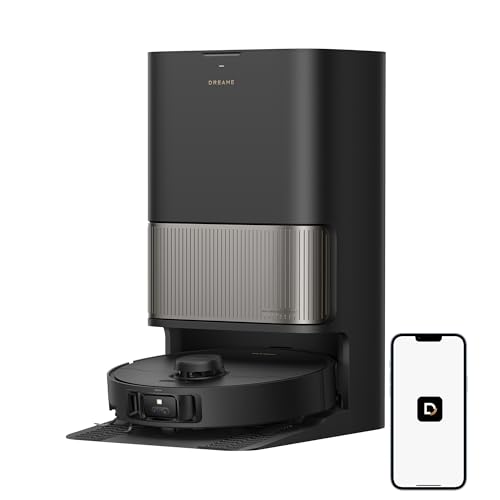
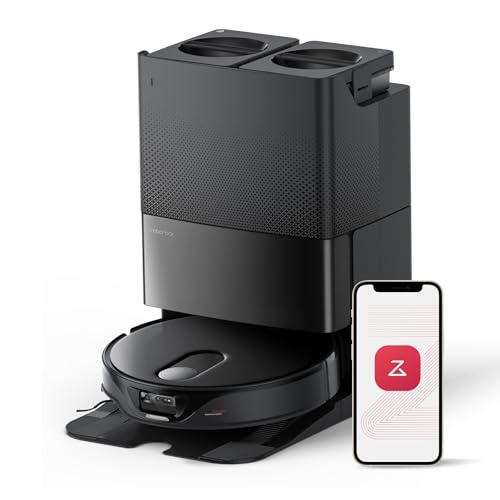
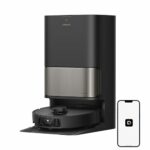
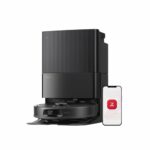
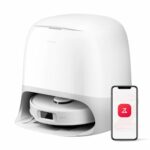
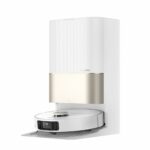
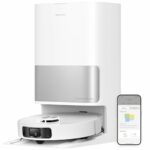
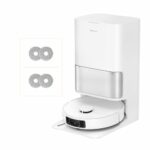
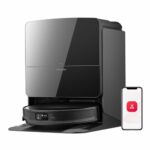
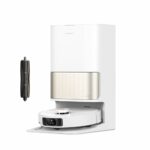
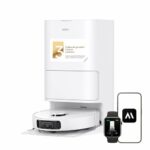
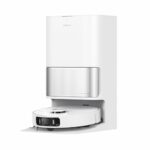
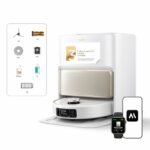
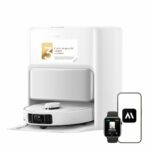
The Dreame L40s Pro Ultra and Roborock Qrevo Slim represent two distinct approaches to premium robot vacuum technology in 2025. Whilst the Dreame model arrives as a 2025 release packed with cutting-edge features, the Qrevo Slim launched in 2024 with a focus on ultra-compact design. Both include multifunctional docking stations that handle self-emptying, mop washing, and drying—features that separate serious cleaning machines from basic models.
The Dreame positions itself as a powerhouse with exceptional suction and advanced AI capabilities. The Roborock, meanwhile, prioritises slimline dimensions without sacrificing essential functions. For larger homes with pets, high-traffic areas, or diverse flooring types, these specifications matter considerably. Understanding which features translate into real-world performance helps determine the right fit for your specific needs.
Key Differences at a Glance
- Suction power: 19,000 Pa (Dreame) vs 11,000 Pa (Roborock)
- Height: 103.8 mm (Dreame) vs 82 mm (Roborock)
- Battery runtime: 220 minutes vs 180 minutes
- Side brush lift capability: only the Dreame includes this
- Anti-tangle side brush: exclusive to the L40s Pro Ultra
- Detergent tank: present in Dreame, absent in Roborock
- Dust bag capacity: 3.2 L vs 2.7 L
- Water tank sizes: Dreame offers larger clean (4.5 L) and dirty (4 L) reservoirs
- Object recognition: 180 items (Dreame) vs 73 (Roborock)
- Curtain detection: only the Dreame includes this
- Stain recognition AI: exclusive to the L40s Pro Ultra
- Obstacle climbing: 40 mm for Dreame vs 20 mm for Roborock
- Optional plumbing connection kit available for Dreame
Power and Suction
The suction differential here is substantial. With 19,000 Pa, the Dreame L40s Pro Ultra delivers significantly more raw power than the Qrevo Slim's 11,000 Pa. In practical terms, this translates to better performance on carpets, particularly high-pile varieties, and more effective pickup of embedded debris.
Both models feature dual brush systems designed to minimise hair tangles—the Dreame uses its HyperStream configuration whilst the Roborock employs its DuoDivide design. These systems push hair towards the central suction channel rather than wrapping it around bristles. The main brush on each model can lift when mopping begins, preventing wet carpet issues.
Where things diverge: the Dreame's side brush can both extend and lift, plus it incorporates anti-tangle technology. The Qrevo Slim's side brush extends for better edge coverage but cannot elevate during mopping and lacks the anti-tangle feature. For homes with long-haired occupants or pets, this difference becomes noticeable during maintenance routines.
Mopping
Both machines use dual rotating mops that spin to scrub floors rather than simply dragging a damp cloth behind. The Dreame system includes RoboSwing technology—a subtle rocking motion that helps the mop reach slightly under furniture edges and skirting boards. Both models extend their mops to clean closer to walls.
Mop lift height differs marginally: 10.5 mm for the L40s Pro Ultra versus 10 mm for the Qrevo Slim. Either measurement proves sufficient to clear most low-pile rugs without dragging wet fabric across them. More significant is the Dreame's ability to automatically detach its mops at the base when you want pure vacuuming mode—the Roborock requires manual removal.
The docking stations wash mops with hot water and dry them using heated air, which helps prevent bacterial growth and musty odours. Both detect dirty mops and will rewash them; both also sense floor-level dirt and adjust cleaning intensity accordingly. The Dreame station includes a detergent dispenser, whilst the Qrevo Slim does not—you'll need to add cleaning solution manually to the water tank if desired.
Station self-cleaning differs too. The Dreame features third-generation tray cleaning technology, whereas the Roborock uses version 1.0. This affects how thoroughly the base maintains itself between your manual cleanings.
Navigation System
The Dreame L40s Pro Ultra uses a third-generation LiDAR turret combined with dual AI cameras and 3D laser sensors. This setup recognises 180 different object types—everything from shoes and cables to pet waste. The Roborock Qrevo Slim employs its StarSight 1.0 system with dual cameras and 3D sensors, identifying 73 objects.
That numerical difference matters when navigating cluttered spaces. More recognised objects mean fewer interruptions and better route planning around everyday household items. The Dreame specifically detects curtains, which prevents the robot from becoming entangled in floor-length drapes—something the Qrevo Slim doesn't identify separately.
Both offer remote camera access via their respective apps, useful for checking on pets or simply seeing what's happening at home. LED lighting enables night vision functionality on each model. The Dreame runs its CleanGenius AI for intelligent cleaning decisions, whilst the Roborock uses SmartPlan 1.0 paired with the RR Mason 11.0 algorithm. Additionally, the L40s Pro Ultra includes AI-powered stain recognition that the Qrevo Slim lacks—it can spot specific dirty patches and concentrate cleaning efforts there.
Battery and Autonomy
Both robots pack identical 5,200 mAh batteries, yet runtime differs. The Dreame achieves 220 minutes on a single charge compared to 180 minutes for the Roborock. That 40-minute advantage stems partly from the Qrevo Slim's lower suction power drawing less energy, though the Dreame's efficiency optimisations clearly play a role.
For larger properties, those extra minutes reduce the likelihood of mid-clean recharging breaks. The difference becomes less critical in smaller flats where either machine completes cleaning well within its battery window.
Smart Functions
Obstacle-climbing capability varies dramatically. The Dreame L40s Pro Ultra can mount 40 mm obstacles—roughly the height of a standard door threshold or thick floor transition strip. The Roborock Qrevo Slim manages 20 mm, sufficient for most home scenarios but potentially problematic with taller thresholds.
Each model includes its own voice assistant plus compatibility with Alexa and Google Home. This allows hands-free control and integration into existing smart home ecosystems.
Multifunctional Docking Station
Both bases handle the complete maintenance cycle: emptying dust, washing mops, and drying them with heated air. The Dreame station holds a 3.2 L dust bag versus 2.7 L for the Roborock—meaningful if you have pets or prefer longer intervals between bag changes.
Water reservoir sizes favour the Dreame: 4.5 L clean water and 4 L dirty water, compared to 4 L and 3.5 L respectively for the Qrevo Slim. Larger tanks mean fewer refills during extended cleaning sessions or when tackling multiple rooms.
The detergent dispenser on the Dreame station automatically doses cleaning solution during mop washing. The Roborock lacks this, requiring you to add detergent manually to the clean water tank. Neither base includes UV disinfection or automatic mop replacement.
Dreame offers an optional plumbing connection kit (sold separately) that allows the station to refill and drain automatically via household water lines. The Roborock doesn't provide this option. Whilst convenient for those wanting minimal intervention, it's worth noting this requires installation and isn't included with the base unit.
Dimensions
Height becomes the defining physical difference. At 82 mm, the Roborock Qrevo Slim fits under significantly more furniture than the 103.8 mm Dreame L40s Pro Ultra. That 21.8 mm gap determines whether the robot cleans beneath your sofa, bed frame, or kitchen cabinets without manual intervention.
Diameter measurements sit close together: 350 mm for the Dreame versus 353 mm for the Roborock. This negligible difference won't affect navigation through doorways or around furniture legs.
Base dimensions present a trade-off. The Dreame station stands taller (590.5 mm vs 521 mm) but shallower (456.7 mm vs 487 mm). Depending on your available floor space, one configuration may suit your home better than the other. Both measure 340 mm wide.
Real-World Usage Experience
For larger homes exceeding 150 square metres, the Dreame's extended runtime and bigger water tanks reduce interruptions. The superior suction proves valuable with thick carpets or homes with multiple pets shedding constantly. Its ability to recognise more objects and navigate around them smoothly benefits cluttered environments—families with children who leave toys scattered will appreciate fewer stuck-robot alerts.
The Qrevo Slim excels where low-profile access matters. If your furniture sits close to the floor, that 82 mm height opens up cleaning areas the Dreame simply cannot reach. For flats or smaller homes with predominantly hard floors, the 11,000 Pa suction remains perfectly adequate, and the shorter battery life won't become limiting.
Maintenance frequency differs slightly. The Dreame's larger dust bag and water reservoirs mean less frequent emptying and refilling. Its side brush anti-tangle feature and automatic mop removal reduce hands-on maintenance time. The Roborock requires more regular attention to these elements but compensates with its compact base footprint.
Conclusion: Which to Choose?
Choose the Dreame L40s Pro Ultra if: you have a larger home with varied flooring including carpets, multiple pets, or significant daily debris. The enhanced suction, longer runtime, and comprehensive AI object recognition justify the investment. The automatic detergent dispenser and optional plumbing kit suit those wanting maximum automation. Accept that you'll sacrifice access under low furniture.
Choose the Roborock Qrevo Slim if: fitting under furniture matters more than maximum power. Its ultra-low profile reaches spaces the Dreame cannot, making it ideal for homes with low-clearance beds, sofas, and cabinets. For smaller properties or predominantly hard floors, the specifications prove entirely sufficient. Roborock's reputation for reliability and app quality provides additional confidence, particularly if this is your first robot vacuum purchase.
In the end, the decision hinges on whether you prioritise raw power and advanced features or slimline access and compact convenience. Both represent quality options within the premium robot vacuum category for 2025.