✨ VS Analyze · VacuumSpain comparison technology. AI-generated explanation based on verified technical data.
Introduction
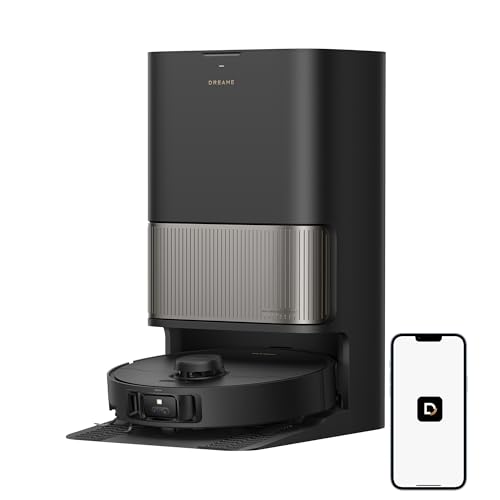
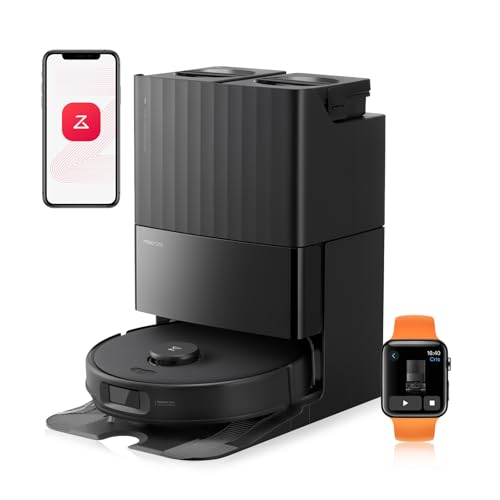
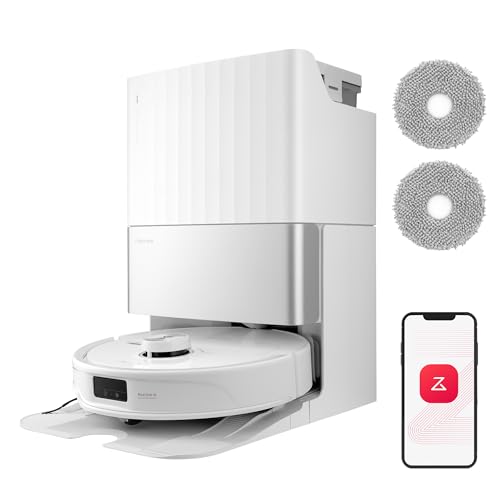
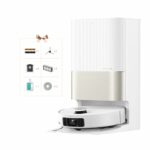
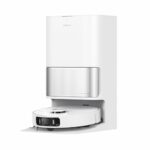
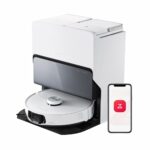
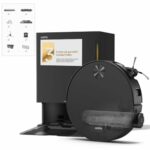
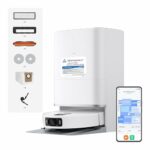
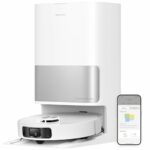
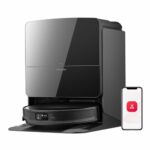
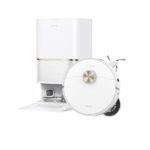
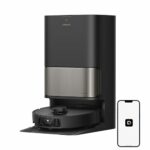
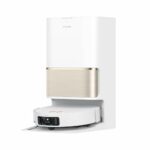
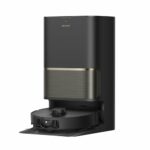
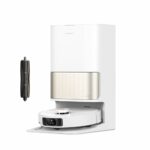
When it comes to choosing a premium robot vacuum in 2025, the decision often narrows down to the market leaders. The Dreame L40s Pro Ultra represents the latest innovation from Dreame's 2025 lineup, whilst Roborock brings two strong contenders from their 2024 range: the Qrevo Edge S5A and the Qrevo Master. All three models feature multifunctional bases that handle everything from automatic dust emptying to mop washing and drying, making them suitable for users seeking minimal maintenance.
The Dreame option targets those who want cutting-edge specifications and comprehensive automation. The Roborock Qrevo Edge S5A focuses on delivering solid performance with a slimmer profile, whilst the Qrevo Master sits as a premium alternative with enhanced AI capabilities. For larger homes with mixed flooring and pets, these robots offer different strengths worth examining closely.
Power and Suction
Suction power varies significantly across these models. The Dreame L40s Pro Ultra reaches 19,000 Pa, giving it a slight edge over the Roborock Qrevo Edge S5A at 18,500 Pa. The Qrevo Master sits considerably lower at 10,000 Pa, which may affect performance on thick carpets or deeply embedded dirt.
Brush design differs notably. Dreame employs a dual brush system, as does the Qrevo Master, whilst the Qrevo Edge S5A features Roborock's DuoDivide anti-tangle design. This DuoDivide configuration channels hair towards the central suction point, reducing tangles effectively. All three models include extensible side brushes for better corner coverage, and both the Dreame and Qrevo Master can elevate their main brushes during mopping to prevent wet carpet contact.
The Dreame L40s Pro Ultra and Qrevo Edge S5A both feature anti-tangle technology in their side brushes, a detail absent in the Qrevo Master. For households with long-haired residents or shedding pets, this makes a practical difference during weekly maintenance. The Dreame also lifts its side brush when mopping, a capability the two Roborock models don't share, though the Master compensates with main brush elevation.
Mopping Performance
All three robots use rotating dual mop systems, but implementation varies. The Dreame L40s Pro Ultra extends its mops with a movement system called Roboswing, allowing the unit to clean slightly under furniture edges. Both Roborock models extend their mops too, though without the swivelling motion.
Mop lift height reaches 10.5mm on the Dreame, compared to 10mm on both Roborock units. That extra half-millimetre might seem trivial, but it can determine whether the robot successfully crosses certain threshold strips without dragging wet mops across them. All three detect dirt on both mops and floors, triggering re-cleaning when necessary.
The Dreame stands alone in automatically dismounting its mops at the base when you want vacuum-only operation. This means you won't need to manually remove the mop pads before running a dry clean, saving time and effort. Neither Roborock model offers this automation, requiring manual intervention if you prefer not to attach mops for certain cleaning sessions.
Base functionality shows clear distinctions. The Dreame washes mops with hot water and dries them using heated air, as do both Roborock models. However, Dreame's third-generation self-cleaning tray system represents the newest iteration, compared to version 2.0 in the Qrevo Edge S5A and 1.0 in the Qrevo Master. In practice, newer tray cleaning systems tend to require less frequent manual scrubbing to prevent residue buildup.
Navigation System
Navigation capabilities separate these models considerably. The Dreame L40s Pro Ultra and Roborock Qrevo Master both feature dual AI cameras combined with frontal 3D laser sensors, enabling sophisticated object recognition. The Qrevo Edge S5A relies on LiDAR mapping without camera-based AI, which limits its ability to identify specific objects.
Object recognition numbers tell the story clearly. Dreame claims detection of 180 different obstacle types, whilst the Qrevo Master recognises 62. The Edge S5A doesn't specify object recognition capabilities, suggesting more basic obstacle avoidance. For homes cluttered with toys, shoes, or cables, this difference matters considerably.
Pet owners will find value in the Dreame and Qrevo Master, both of which identify pets specifically and can adjust behaviour accordingly. The Edge S5A lacks this feature entirely. Only the Dreame detects curtains, preventing the robot from getting tangled in hanging fabric—a surprisingly common issue with standard models.
Remote camera access works on the Dreame and Qrevo Master, letting you check on your home through the robot's front camera whilst away. The Edge S5A doesn't provide this functionality. LED lighting for night vision appears on the Dreame and Master, useful for navigation in dark rooms or evening cleaning schedules.
Battery and Autonomy
All three models pack identical 5,200 mAh batteries, but runtime differs. The Dreame L40s Pro Ultra manages 220 minutes on a single charge, giving it 40 extra minutes compared to the 180-minute runtime of both Roborock models. For larger properties exceeding 150 square metres, those additional minutes can mean completing the entire clean without requiring a mid-session recharge.
None of the specifications detail charging times or maximum recommended surface areas, so direct comparison on those points isn't possible from the available data. The extended runtime on the Dreame suggests it might handle larger homes more efficiently, though actual coverage depends on factors like suction power settings and mopping frequency.
Smart Features
Obstacle climbing varies across the lineup. The Dreame L40s Pro Ultra can navigate simple steps, though the exact height isn't specified. Both Roborock models clearly state 20mm climbing ability, which handles most standard door thresholds and carpet edges without issue.
Voice assistant integration differs notably. The Dreame and Qrevo Master include built-in voice assistants, allowing direct communication with the robot without external smart speakers. The Qrevo Edge S5A lacks this proprietary assistant but still works with Alexa and Google Home through standard integrations. For users who prefer controlling everything through existing smart home ecosystems, this distinction may not matter much.
Multifunctional Base
Base specifications reveal practical differences in daily use. The Dreame's base incorporates a detergent dispenser, automatically adding cleaning solution during mop washing cycles. Neither Roborock model includes this feature, requiring manual addition of cleaning products to the water tank if desired.
Dust bag capacity reaches 3.2 litres in the Dreame versus 2.7 litres in both Roborock units. This translates to roughly two extra weeks between bag changes in typical households. Clean water tanks measure 4.5 litres on the Dreame compared to 4 litres on the Roborock models, whilst dirty water capacity sits at 4 litres versus 3.5 litres respectively. Larger tanks mean fewer refills during extended cleaning sessions or in larger homes.
The Dreame offers an optional plumbing connection kit sold separately, eliminating manual water tank filling and emptying. Neither Roborock model provides this option, integrated or otherwise. Whilst this requires professional installation and additional investment, it represents the ultimate hands-off solution for those willing to commit.
Dimensions
Height differences affect furniture clearance significantly. The Roborock Qrevo Edge S5A stands 98mm tall, making it the lowest profile option and most likely to slip under standard sofas and bed frames. The Dreame measures 103.8mm, whilst the Qrevo Master reaches 103mm. Those few millimetres can determine whether a robot accesses the space beneath your furniture or leaves it uncleaned.
Diameter varies minimally: 350mm for the Dreame, 352mm for the Edge S5A, and 353mm for the Master. These differences won't meaningfully affect navigation through doorways or around furniture legs.
Base dimensions matter more for placement planning. The Dreame's base stands tallest at 590.5mm compared to 521mm for both Roborock stations, but it's also the shallowest at 456.7mm depth versus 487mm. If you're tucking the base under a counter or in a cupboard, these measurements determine what actually fits in your available space.
Real-World Use Scenarios
For larger homes exceeding 120 square metres, the Dreame L40s Pro Ultra's extended 220-minute runtime and larger water tanks reduce interruptions during whole-house cleaning. The automatic mop dismounting saves time when alternating between mopping and vacuum-only days, particularly useful for homes with mixed flooring.
Pet households benefit most from the Dreame or Qrevo Master thanks to their specific pet recognition and superior object detection. The anti-tangle side brushes on the Dreame and Edge S5A reduce hair-related maintenance, though the Master's dual brush system still performs adequately with regular cleaning.
Low-clearance furniture makes the Qrevo Edge S5A the obvious choice. Its 98mm height accesses spaces the other models simply cannot reach, potentially cleaning 15-20% more floor area in homes with standard-height sofas and beds. This advantage outweighs some of its missing features for users prioritising thorough coverage.
Hands-off operation reaches its peak with the Dreame, combining automatic mop removal, detergent dispensing, and optional plumbing connection. Users wanting minimal interaction will appreciate these conveniences, though they come at a premium price point.
Conclusion: Which Should You Choose?
Choose the Dreame L40s Pro Ultra if you want the most advanced navigation with 180 object types recognised, need extended 220-minute runtime for larger properties, value automatic mop dismounting for mixed cleaning routines, or plan to install the plumbing connection kit for completely automated water management. The detergent dispenser and larger tank capacities suit those seeking maximum convenience.
Choose the Roborock Qrevo Edge S5A if fitting under low furniture matters most—its 98mm height accesses spaces others miss. This model suits smaller to medium homes where the 180-minute runtime suffices, and where camera-based AI features aren't priorities. The slightly larger onboard dust bin (325ml) means marginally less frequent emptying, and the lower base height may fit better in tight spaces.
Choose the Roborock Qrevo Master if you want Roborock's reliability with enhanced AI features including dual cameras and pet recognition, but can accept lower 10,000 Pa suction. This model balances advanced navigation with proven Roborock engineering, suitable for mixed flooring in medium-sized homes where the 180-minute battery handles complete cleaning cycles comfortably.