Introduction
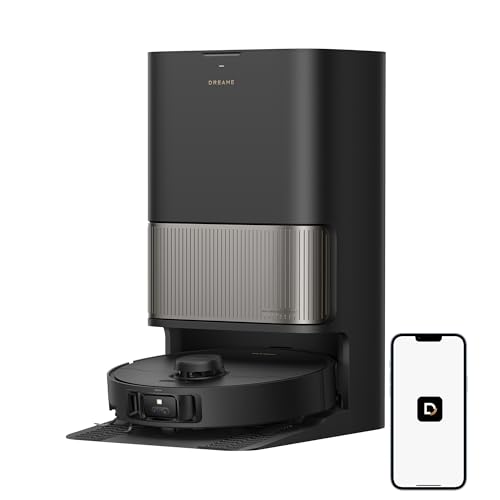
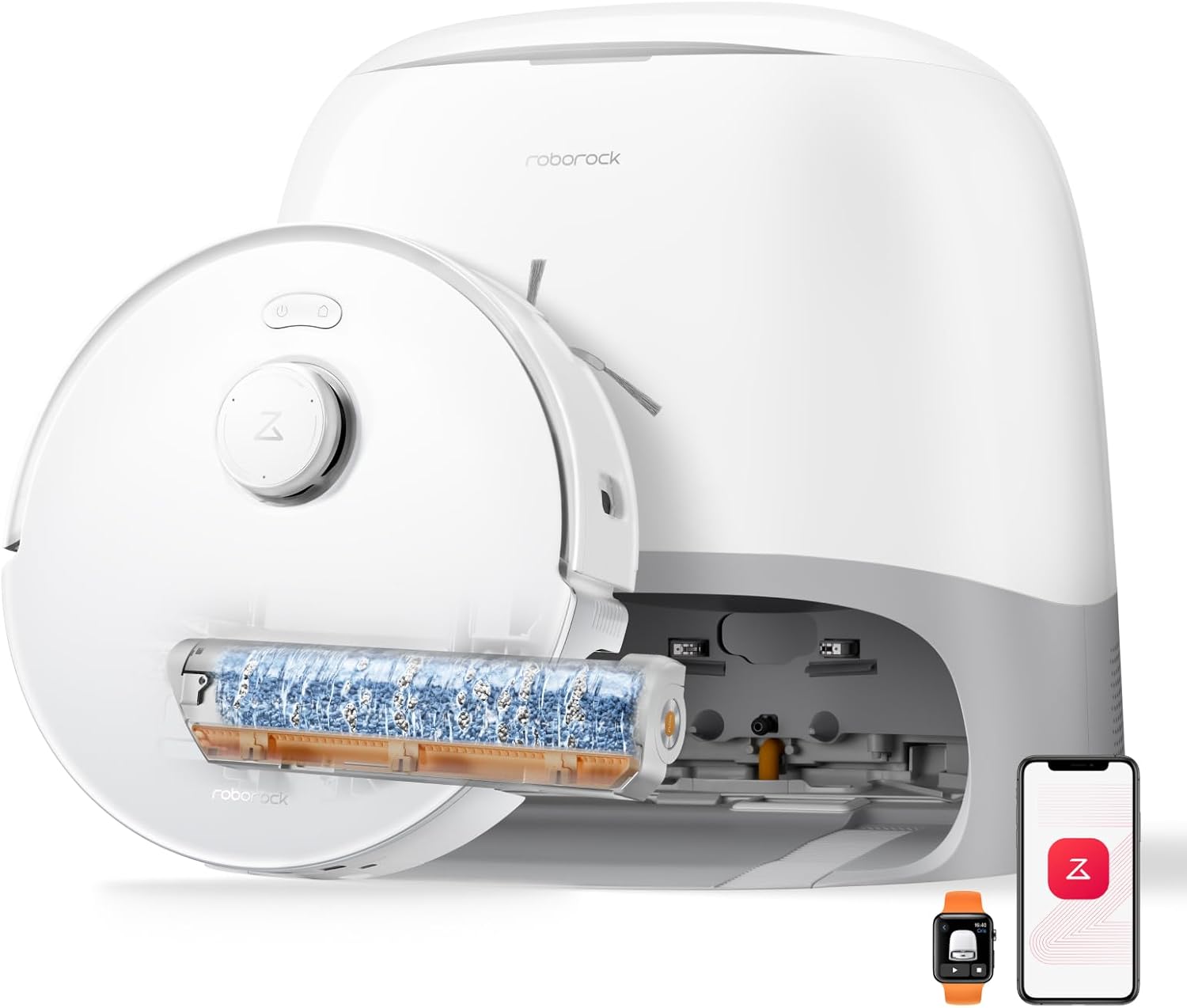
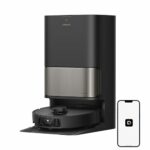
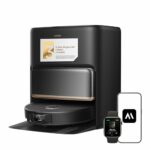
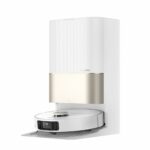
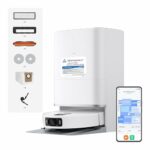
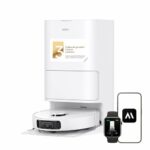
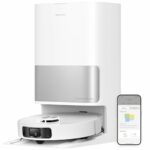
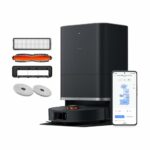
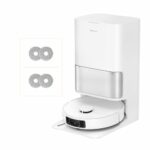
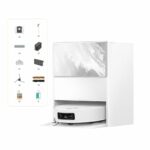
The Dreame L40s Pro Ultra and Roborock Qrevo Curv 2 Flow represent two distinct approaches to premium robot vacuum technology. Dreame's 2025 release brings its established expertise in multifunctional cleaning, whilst Roborock's February 2026 model introduces fresh innovations from the world's leading robot vacuum manufacturer. The L40s Pro Ultra features dual rotating mops and a comprehensive self-cleaning base with detergent dispensing, making it particularly suited to homes where mopping performance matters. The Qrevo Curv 2 Flow takes a different path with its 270mm roller mop system and enhanced obstacle clearance, designed for households with varied flooring and physical barriers.
What separates these models isn't just their release dates. Each targets slightly different user priorities: Dreame focuses on automated maintenance and edge cleaning capabilities, whilst Roborock emphasises navigation intelligence and obstacle management. For larger homes with mixed surfaces and potential floor-level challenges, these differences become meaningful in daily use.
Differences at a Glance
- Suction power: 19,000 Pa versus 20,000 Pa
- Battery runtime: 220 minutes compared to 242 minutes
- Mopping systems: dual rotating mops with Roboswing versus 270mm roller
- Mop lift height: 10.5mm versus 15mm with curved design
- Obstacle clearance: simple step climbing versus 20mm capability
- Side brush design: extensible single versus dual non-extensible
- Main brush technology: HyperStream dual versus DuoDivide anti-tangle
- Automatic mop removal at base: yes versus no
- Detergent tank: included versus absent
- Robot height: 103.8mm versus 119mm
- Dust bag capacity: 3.2L versus 2.7L
- AI obstacle recognition: 180 objects versus 200
- Curtain detection: present versus absent
Suction Power and Brush Systems
The Roborock Qrevo Curv 2 Flow edges ahead with 20,000 Pa suction against the Dreame's 19,000 Pa. In practical terms, this thousand-pascal difference might show itself when tackling embedded dirt in carpet fibres or extracting debris from grout lines, though both figures sit comfortably in premium territory.
Where things get more interesting is the brush engineering. Dreame employs its HyperStream dual brush design, which anchors two brushes at one end to minimise hair tangles. Roborock counters with its DuoDivide system that actively pushes hair towards the central suction channel. The L40s Pro Ultra includes an extensible side brush that reaches further into corners, whilst the Qrevo Curv 2 Flow uses dual side brushes without extension. For homes with long-haired occupants or shedding pets, the anti-tangle focus of Roborock's DuoDivide might prove valuable, though Dreame's side brush offers superior edge coverage.
Interestingly, the side brush on the Dreame model is also anti-tangle, adding another layer of low-maintenance operation. The dual side brushes on the Roborock share this anti-tangle design. During mopping, both models lift their main and side brushes to avoid dragging dirty bristles across wet floors.
Mopping Technology
The mopping approaches couldn't be more different. Dreame uses two rotating circular mops that extend to reach skirting boards, enhanced by Roboswing movement that angles the robot to push mops slightly under furniture edges. Roborock deploys a single 270mm roller mop that also extends for edge coverage but without the swinging motion.
Mop lift height matters when transitioning between hard floors and carpets. The Dreame raises its mops 10.5mm, adequate for low-pile rugs. Roborock lifts a full 15mm with its curved design, handling thicker carpets without dragging wet mops across them. For households mixing hardwood with substantial area rugs, that extra clearance reduces the need for virtual barriers.
At the base, Dreame washes mops with hot water and dries them with heated air, identical to Roborock's approach. However, the L40s Pro Ultra automatically dismounts its mops at the base when you want vacuum-only operation, eliminating manual removal. The Qrevo Curv 2 Flow requires you to handle this yourself. Small detail, but it affects workflow if you regularly switch between mopping and vacuuming modes.
Dreame includes a detergent tank in its base that dispenses cleaning solution during mop washing. Roborock omits this feature entirely. If you prefer automated detergent dosing rather than manual addition, this becomes a deciding factor. The L40s Pro Ultra also features third-generation automatic cleaning of its washing tray, matched by Roborock's own self-cleaning mechanism.
Navigation and Intelligence
Both robots navigate using 360° LiDAR turrets and frontal laser 3D sensors, establishing accurate floor plans and detecting obstacles in real-time. The Dreame incorporates dual AI cameras whilst Roborock uses a single camera setup. Object recognition databases differ: 180 objects for Dreame's CleanGenius system, 200 for Roborock's SmartPlan 3.0.
In daily use, this translates to slightly broader recognition capability on the Roborock, potentially identifying more household items to avoid. Dreame counters with curtain detection, allowing the robot to navigate around hanging fabric without getting tangled—a feature absent from the Qrevo Curv 2 Flow. For homes with floor-length curtains or draped textiles, this prevents frustrating entanglements.
Remote camera access works on both models, letting you check on pets or monitor rooms through the app. LED lighting enables night-time vision. Each robot recognises pets specifically, adjusting behaviour around animals. Dirt detection sensors on both the mops and floor surface trigger additional cleaning passes when needed, ensuring stubborn marks receive extra attention.
Battery Life and Coverage
Identical 5,200 mAh batteries power both machines, yet runtime differs. The Dreame manages 220 minutes on a full charge, whilst the Roborock extends this to 242 minutes. That extra 22 minutes might seem modest, but it can mean the difference between completing a large home in one session or requiring a mid-clean recharge.
For typical three-bedroom properties, either runtime proves sufficient. Larger homes approaching or exceeding 200 square metres benefit from the Roborock's extended operating time, reducing interruptions and shortening total cleaning duration.
Smart Features and Obstacle Management
The Roborock Qrevo Curv 2 Flow climbs obstacles up to 20mm high—think thick rugs, door thresholds, or minor floor transitions. Dreame's specification lists "simple step climbing" without a specific measurement. In homes with varied flooring heights or substantial door bars, Roborock's documented clearance provides confidence.
Both robots include proprietary voice assistants alongside compatibility with Alexa and Google Home. You can issue commands directly or integrate them into smart home routines. Neither model employs a robotic arm for advanced object manipulation, keeping the focus on core vacuuming and mopping excellence.
Self-Cleaning Base Comparison
The multifunctional bases handle dust collection, mop washing with hot water, and heated air drying. Dreame's base holds a larger 3.2L dust bag versus Roborock's 2.7L, extending the interval between bag changes. For allergy sufferers or those simply preferring less frequent maintenance, that half-litre difference adds up over weeks.
Water tank capacities favour Dreame: 4.5L clean water and 4L dirty water compared to Roborock's 4L and 3.5L respectively. Larger tanks mean fewer refills during extended mopping sessions, particularly useful when tackling whole-home cleans. Dreame also offers an optional plumbing connection kit (sold separately) for permanent water supply, though this isn't integrated as standard. Roborock doesn't provide this option at all.
Neither base includes UV disinfection. The detergent tank on Dreame's base remains its key advantage here, automating cleaning solution delivery.
Physical Dimensions
Height determines which furniture the robot can navigate beneath. At 103.8mm tall, the Dreame L40s Pro Ultra slips under most sofas and bed frames. The Roborock Qrevo Curv 2 Flow stands 119mm high—over 15mm taller. If your furniture sits low to the ground, measure clearances carefully. That extra height houses the curved mop lift mechanism but restricts access to tighter spaces.
Diameter differences are negligible: 350mm versus 353mm. Neither has a meaningful advantage in navigating narrow gaps. Base dimensions tell another story. Dreame's station measures 340mm wide, 590.5mm tall, and 456.7mm deep—a vertical orientation. Roborock's base forms a 450mm cube. The Dreame footprint saves floor width but requires more vertical clearance, whilst Roborock's square profile needs more lateral space. Consider your intended placement location: beside furniture, in cupboards, or against walls.
Real-World Performance Considerations
For homes exceeding 150 square metres, the Roborock's extended battery life and enhanced obstacle climbing prove advantageous. Its 20mm clearance handles varied flooring transitions smoothly, whilst the 242-minute runtime covers expansive layouts without interruption. The taller profile might restrict under-furniture access, requiring occasional manual intervention.
Pet owners face a choice between brush technologies. Roborock's DuoDivide actively manages hair tangles, whilst Dreame's HyperStream design and anti-tangle side brush reduce maintenance. The Dreame's extensible side brush reaches further into corners where pet hair accumulates. Larger dust bag capacity (3.2L versus 2.7L) extends the service interval when dealing with heavy shedding.
If mopping takes priority, Dreame's automatic mop removal and detergent dispensing streamline operation. The Roboswing feature helps reach under cabinet toe kicks and furniture edges. Roborock's 15mm mop lift and roller design handle thicker carpets more gracefully, preventing wet mop contact with rugs.
Lower furniture requires the Dreame's 103.8mm height. Homes with floor-length curtains benefit from its curtain detection. The vertical base design suits narrow spaces, though you'll need adequate height clearance.
Conclusion: Which Should You Choose?
Choose the Dreame L40s Pro Ultra if you prioritise automated maintenance features like detergent dispensing and automatic mop removal. The lower robot height suits homes with low-clearance furniture, whilst the extensible side brush and Roboswing excel at edge cleaning. Larger water and dust capacities reduce servicing frequency, ideal for busy households. Curtain detection prevents textile entanglements. The vertical base footprint works well in narrower spaces.
Choose the Roborock Qrevo Curv 2 Flow if extended battery life matters for larger properties requiring 240+ minute cleaning sessions. The documented 20mm obstacle clearance confidently handles substantial thresholds and thick carpets, whilst 15mm mop lift prevents wet contact with rugs. Enhanced object recognition (200 versus 180 items) and Roborock's reputation for reliable navigation software provide peace of mind. The roller mop system offers an alternative approach to floor cleaning, though you'll sacrifice automatic mop removal and detergent automation.
For compact homes under 100 square metres with standard flooring, either robot delivers excellent results. Larger properties with mixed surfaces lean towards Roborock's stamina and climbing ability. Homes prioritising hands-off operation and comprehensive edge cleaning favour Dreame's automation features and lower profile. Consider your specific furniture clearances, flooring types, and whether automated detergent dispensing justifies the trade-off against extended runtime and enhanced obstacle management.