Introduction
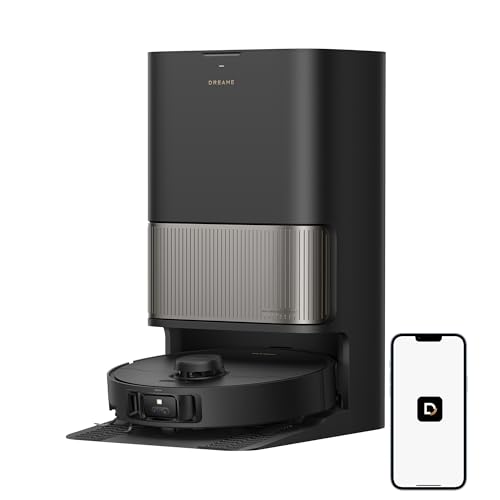
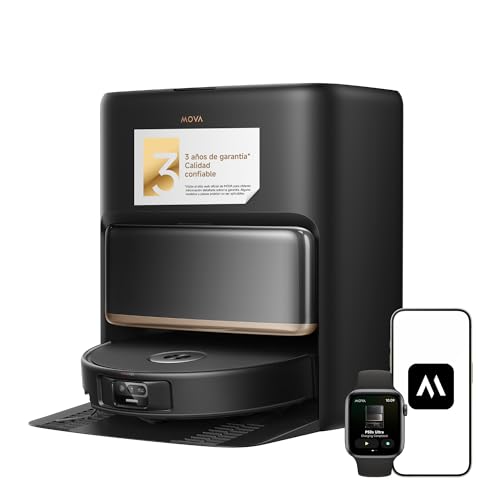
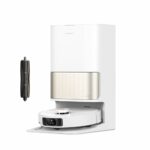
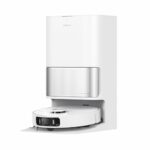
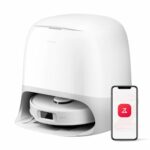
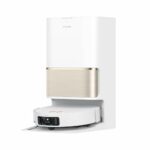
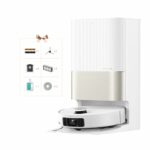
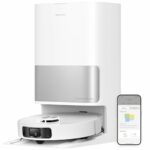
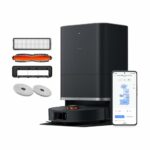
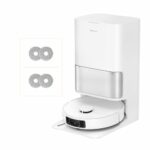
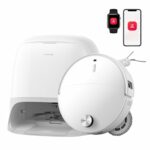
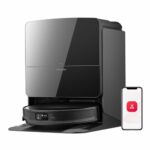
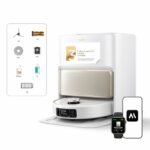
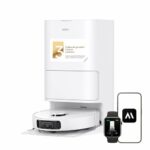
The Dreame L40s Pro Ultra and the Mova P50s Ultra represent two of the most advanced cleaning solutions available in 2025. Both models come equipped with multifunctional bases that handle everything from self-emptying to mop washing and drying, positioning them firmly in the premium segment of the market. These aren't entry-level devices; they're designed for users who want comprehensive automation without constant intervention.
What makes this comparison particularly interesting is that Mova operates as Dreame's second brand, which explains why these robots share several core technologies whilst differing in specific areas. The L40s Pro Ultra sits at 19,000 Pa of suction power with a 5,200 mAh battery, whilst the P50s Ultra pushes suction to 24,000 Pa and battery capacity to 6,400 mAh. Both feature dual rotating mops with edge extension capabilities and intelligent navigation systems, making them suitable for larger homes with mixed flooring types.
Key Differences at a Glance
- Suction power: 19,000 Pa versus 24,000 Pa in favour of the Mova
- Battery capacity: 5,200 mAh compared to 6,400 mAh
- Robot height: 103.8 mm versus 82.5 mm – significant for furniture clearance
- UV disinfection: only available on the Mova P50s Ultra
- Navigation system: LiDAR 3D turret versus FlashPulse technology
- Object recognition: 180 obstacles versus 200
- Base dimensions vary considerably, affecting installation space
- Water tank sizes differ slightly between models
- Plumbing connection kit available for the Dreame (sold separately)
Power and Suction
The Mova P50s Ultra delivers 24,000 Pa of suction power, which represents a notable advantage over the Dreame L40s Pro Ultra's 19,000 Pa. In practical terms, this difference becomes apparent when dealing with ground-in dirt on hard floors or when tackling medium-pile carpets. The extra power helps extract debris more effectively from textured surfaces.
Both robots feature dual anti-tangle brush systems designed to minimise hair wrap – a critical consideration for homes with pets or long-haired residents. The main brush on each model lifts automatically during mopping to prevent wet debris from accumulating, and both include side brushes that extend to reach corners more effectively. These side brushes also elevate during mopping and incorporate anti-tangle technology, creating a comprehensive approach to hair management.
The lifting mechanisms work identically on both models, ensuring that carpets don't get wet during mopping sessions and that the cleaning process adapts automatically to different floor types.
Mopping Performance
Both the Dreame L40s Pro Ultra and Mova P50s Ultra use dual rotating mops that extend to clean edges and corners more thoroughly. Each system includes the RoboSwing feature, which allows the robot to manoeuvre the mop slightly under furniture edges and skirting boards – useful for capturing dust that typically accumulates in these areas.
Mop elevation reaches 10.5 mm on both models, sufficient to transition onto low-pile rugs without dragging wet pads across them. The bases wash mopas with hot water and dry them using heated air, which speeds up the drying process and reduces the risk of odours developing between cleaning sessions. This matters particularly if you run cleaning cycles daily or live in a humid climate.
Each robot can automatically remove its mops at the base when you want to run a vacuum-only session, eliminating the need to manually detach them. Dirt detection works on two levels: the robots identify heavily soiled areas on the floor and trigger additional passes, whilst sensors in the base assess mop cleanliness to determine when rewashing is necessary during a cleaning cycle. Both models use cold water for actual floor mopping, with hot water reserved for mop maintenance at the base.
Navigation Systems
The Dreame L40s Pro Ultra employs a 3D LiDAR turret for mapping and navigation, whilst the Mova P50s Ultra uses FlashPulse technology. Both approaches deliver precise room mapping and efficient cleaning paths, though the implementation differs technically. Each robot incorporates dual AI cameras and front-mounted 3D laser sensors for obstacle detection.
The Mova recognises 200 different obstacle types compared to 180 on the Dreame – a modest difference that translates to slightly more nuanced object avoidance in cluttered environments. Both systems identify pets and curtains specifically, adjusting their behaviour to avoid tangling or startling animals. LED lighting enables the cameras to function effectively in low-light conditions, and remote camera access lets you check on your home through the robot's perspective.
CleanGenius AI runs on both models, analysing room layouts and dirt patterns to optimise cleaning strategies automatically. This includes spot recognition for targeted cleaning of visible stains.
Battery and Autonomy
The Mova P50s Ultra houses a 6,400 mAh battery compared to the Dreame's 5,200 mAh capacity. This translates to extended runtime, particularly valuable in larger properties where the robot needs to cover substantial floor area before returning to base. The Dreame provides 220 minutes of autonomy under standard conditions, though the Mova's runtime data isn't specified in available documentation.
For homes exceeding the coverage capacity of a single charge, both robots will automatically return to base, recharge, and resume cleaning where they left off. The larger battery in the Mova reduces the frequency of these interruptions, which can shorten overall cleaning time in expansive floor plans.
Smart Features
Both robots handle simple obstacles like door thresholds and low-level transitions between rooms, making them suitable for typical home environments with minor level changes. Each model includes its own voice assistant alongside compatibility with external systems like Alexa and Google Home, giving you flexibility in how you control and schedule cleaning tasks.
The absence of robotic arms on both models means they can't manipulate objects or perform tasks beyond vacuuming and mopping, but this remains an emerging technology not yet common in the category.
Multifunctional Cleaning Base
The bases on both models handle the complete maintenance cycle: self-emptying the dust container into 3.2-litre bags, washing mops with hot water, and drying them with heated air. Third-generation automatic tray cleaning keeps the washing area hygienic without manual intervention. Each base includes a detergent dispenser that adds cleaning solution during the mop washing process.
Where they differ is in disinfection. The Mova P50s Ultra incorporates UV disinfection, which targets bacteria on the mops and in the base itself. The Dreame doesn't include this feature. Whether UV disinfection provides meaningful real-world benefits depends on your priorities around hygiene and whether you're particularly concerned about bacterial growth in the base.
Water tank capacities differ slightly: the Dreame holds 4.5 litres of clean water and 4 litres of dirty water, whilst the Mova carries 4 litres clean and 3.5 litres dirty. These differences are marginal in practice and won't significantly impact how often you need to refill or empty tanks during normal use.
The Dreame offers an optional plumbing connection kit (sold separately) that allows you to connect the base directly to your home's water supply and drainage. This eliminates manual tank maintenance entirely, though it requires installation and isn't included as standard. The Mova doesn't offer this option.
Physical Dimensions
Height proves to be the most significant dimensional difference between these robots. The Dreame L40s Pro Ultra measures 103.8 mm tall, whilst the Mova P50s Ultra stands at just 82.5 mm. That 21.3 mm difference directly affects which furniture these robots can navigate beneath. If you have low-clearance sofas, beds, or cabinets, the Mova's lower profile gives it access to spaces the Dreame simply cannot reach.
Both robots share a 350 mm diameter, which is standard for this category and allows them to navigate most doorways and furniture arrangements without difficulty. The onboard dust container holds 300 ml in each model, and the water reservoir carries 80 ml.
Base dimensions vary more noticeably. The Dreame's base measures 340 mm wide, 590.5 mm tall, and 456.7 mm deep. The Mova's base is wider at 420 mm, shorter at 470 mm, and slightly deeper at 458 mm. The Dreame's taller, narrower profile might fit better in tight alcoves, whilst the Mova's lower, wider footprint could suit placement under wall-mounted cabinets or shelving.
Real-World Usage Considerations
For larger homes, the Mova P50s Ultra's higher suction power and greater battery capacity provide tangible advantages. The 6,400 mAh battery supports longer cleaning sessions, reducing the need for mid-clean recharging in properties with extensive floor coverage. The 24,000 Pa suction handles embedded dirt more aggressively, which benefits homes with high foot traffic or outdoor access points that track in debris.
The Dreame L40s Pro Ultra's taller profile limits its ability to clean under low furniture, but if your home doesn't have particularly low-clearance pieces, this won't present a practical limitation. The option to add a plumbing connection kit appeals to users who want to eliminate all manual maintenance tasks, though this requires upfront installation and additional cost.
Both robots suit homes with pets equally well thanks to their anti-tangle brush systems and strong suction. The hot water mop washing and heated air drying on both bases help manage the hygiene challenges that come with pet hair and tracked-in dirt. The Mova's UV disinfection adds an extra layer for households particularly focused on sanitisation.
For mixed flooring – hardwood, tile, and low-pile rugs – both systems adapt automatically with their lifting mechanisms and intelligent navigation. The dirt detection features ensure heavily soiled areas receive extra attention without requiring manual spot cleaning.
Conclusion: Which Should You Choose?
Choose the Dreame L40s Pro Ultra if: You want the option to add plumbing connectivity for completely hands-free operation, your furniture clearances aren't restrictive, and you prefer a narrower base footprint that fits into tighter installation spaces. The 19,000 Pa suction handles typical household cleaning demands effectively, and the 5,200 mAh battery provides adequate runtime for most home sizes.
Choose the Mova P50s Ultra if: You have low-clearance furniture where the 82.5 mm height becomes essential, you want maximum suction power at 24,000 Pa for more aggressive dirt extraction, or UV disinfection aligns with your hygiene priorities. The larger 6,400 mAh battery extends cleaning sessions in expansive properties, and the lower base height might suit installations under existing cabinetry or shelving. This model delivers slightly more advanced obstacle recognition with 200 identified objects versus 180.
Both represent capable options in the premium robot aspirador category for 2025, with the choice ultimately hinging on specific dimensional requirements, desired suction intensity, and whether features like UV disinfection or plumbing connectivity matter for your particular situation.