Introduction
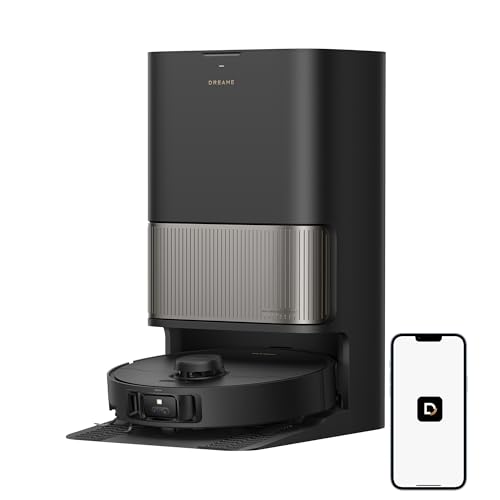
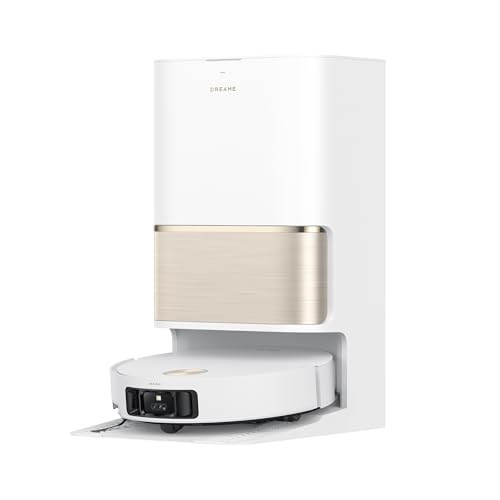
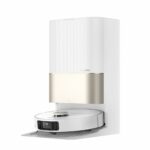
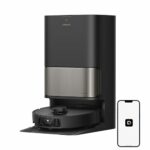
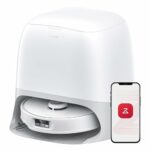
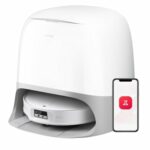
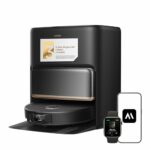
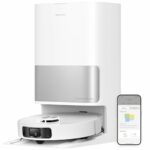
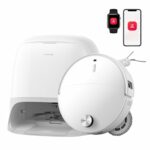
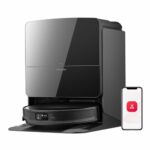
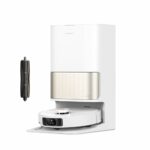
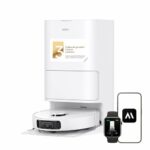
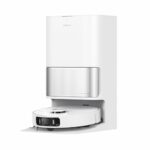
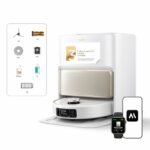
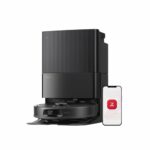
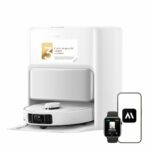
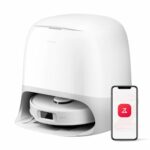
The Dreame L40s Pro Ultra and Dreame L50 Pro Ultra represent the brand's latest premium offerings for 2025, both equipped with multifunctional bases that handle mopping, drying, and self-emptying duties. These are high-end models designed for users who want minimal maintenance and comprehensive cleaning capabilities across larger homes. Whilst they share many core features, there are subtle but meaningful differences in navigation design, battery capacity, and physical dimensions that can influence which model suits a particular household better.
Both models feature dual rotating mops, hot water mop washing, hot air drying, and advanced AI navigation with dual cameras. The choice between them comes down to specific priorities around battery life, navigation system design, and the robot's ability to fit under furniture.
Differences at a Glance
- The L50 Pro Ultra has a retractable LiDAR sensor, whilst the L40s Pro Ultra uses a traditional LiDAR turret
- Battery capacity differs: 6,400 mAh in the L50 Pro Ultra versus 5,200 mAh in the L40s Pro Ultra
- Suction power varies slightly: 19,500 Pa for the L50 Pro Ultra, 19,000 Pa for the L40s Pro Ultra
- Height is considerably different: 89 mm for the L50 Pro Ultra compared to 103.8 mm for the L40s Pro Ultra
- The L50 Pro Ultra has a larger onboard dust container at 395 ml versus 300 ml
- Runtime differs: 220 minutes for the L40s Pro Ultra, 200 minutes for the L50 Pro Ultra
- The L50 Pro Ultra specifies its AI Sage 13.0 Octa-core processor
Suction Power and Brushing System
Suction power sits at 19,500 Pa for the L50 Pro Ultra and 19,000 Pa for the L40s Pro Ultra. In practical terms, this 500 Pa difference is marginal and unlikely to be noticeable in everyday cleaning. Both figures place these models firmly in the high-power category, capable of dealing with embedded dirt in carpets and fine dust on hard floors.
Both robots use Dreame's dual HyperStream brush design, which features two counter-rotating brushes anchored at one end. This configuration significantly reduces hair tangling, making them suitable for homes with pets or long-haired residents. The brushes can lift automatically during mopping, preventing wet bristles from dragging across floors.
The side brush on each model is both extensible and elevable, meaning it can reach into corners more effectively and lift away from the floor when mopping to avoid flinging water droplets. This dual capability improves edge cleaning during vacuuming and prevents mess during wet cleaning.
Mopping Performance
Both models feature dual rotating mops that extend outwards and incorporate Roboswing technology, allowing the robot to wiggle slightly and push the mop under furniture edges and skirting boards. The mops lift 10.5 mm when moving over carpets or rugs, enough clearance for most low-pile surfaces.
The multifunctional base on both models washes the mops with hot water during cleaning sessions, ensuring they return to the floor clean rather than spreading dirty water around. After the cleaning cycle finishes, the mops are dried with hot air, which helps prevent odours and bacterial growth. This combination of hot washing and hot drying is a key feature for maintaining hygiene over time.
Dirt detection works on two levels: sensors in the base detect when mops are still dirty and trigger additional wash cycles, whilst sensors on the robot detect heavily soiled areas on the floor and increase cleaning intensity or make additional passes. The mops can be automatically removed at the base if you only want to vacuum, a convenient feature for homes with mixed flooring.
Navigation and Intelligence
The most visible difference between these two models lies in the navigation system design. The L40s Pro Ultra uses a traditional LiDAR turret that sits atop the robot, contributing to its taller profile. The L50 Pro Ultra, meanwhile, features a retractable LiDAR sensor that lowers when not needed, allowing the robot to achieve a much slimmer 89 mm height.
This height difference becomes significant if you have low-clearance furniture. The L50 Pro Ultra can slip under beds, sofas, and cabinets that the L40s Pro Ultra simply cannot access. For homes with plenty of tight spaces, this advantage is considerable.
Both models use dual AI cameras combined with 3D laser sensors to recognise and avoid up to 180 different types of obstacles, including pet waste, cables, slippers, and curtains. The cameras support remote access, allowing you to check in on your home whilst the robot is cleaning. LED lighting enables the cameras to function effectively even in dim conditions.
The L50 Pro Ultra explicitly mentions its AI Sage 13.0 Octa-core processor, which handles the real-time processing required for obstacle recognition and navigation decisions. Whilst the L40s Pro Ultra's processor isn't specified in the data, both models share the same CleanGenius AI system and recognise the same number of objects, suggesting comparable intelligence in practice.
Battery Life and Coverage
Battery capacity differs notably: 6,400 mAh in the L50 Pro Ultra versus 5,200 mAh in the L40s Pro Ultra. Despite this, the L40s Pro Ultra achieves a longer runtime of 220 minutes compared to 200 minutes for the L50 Pro Ultra. This suggests the L40s Pro Ultra operates more efficiently, possibly due to differences in navigation processing or motor management.
For most homes, 200 minutes is more than sufficient to complete a full clean before returning to the base. The higher battery capacity in the L50 Pro Ultra provides a buffer for particularly large properties or situations where the robot needs to make multiple trips to wash mops during extended cleaning sessions.
Smart Features
Both robots can climb over obstacles up to a certain height, useful for transitioning between rooms with slightly raised thresholds or dealing with thick rugs. Each model includes a built-in voice assistant alongside compatibility with external assistants like Alexa and Google Home, allowing for flexible voice control options.
The CleanGenius AI system on both models analyses room types, floor materials, and dirt levels to adjust suction power, water flow, and cleaning patterns automatically. This means less manual tweaking of settings and more consistent results across different areas of the home.
Multifunctional Base Station
The base stations are identical in dimensions and functionality. Both feature 3.2-litre dust bags, 4.5-litre clean water tanks, and 4-litre dirty water tanks. These capacities are generous enough to support several weeks of cleaning without intervention, depending on home size and cleaning frequency.
Hot water mop washing and hot air drying are standard on both, as is the third-generation self-cleaning system for the washing tray itself. This prevents the base from becoming a source of odours or bacteria. A detergent dispenser is included, automatically adding cleaning solution during mop washing.
Neither model includes plumbing connection as standard, but both can be retrofitted with an optional kit that connects the base directly to your water supply and drainage. This eliminates the need to refill and empty tanks manually, though it requires installation and isn't essential for most users.
Physical Dimensions
Both robots share the same 350 mm diameter, but the height difference is striking. At 103.8 mm, the L40s Pro Ultra is noticeably taller than the 89 mm L50 Pro Ultra. This 14.8 mm difference determines whether the robot can access the space beneath many sofas, beds, and cabinets.
The L50 Pro Ultra's retractable LiDAR design is the key to its slimmer profile, making it the better choice for homes where furniture clearance is limited. The L40s Pro Ultra's traditional turret design is more conventional but results in a bulkier form factor.
The base stations are identical in size, occupying the same footprint regardless of which robot you choose. At 340 mm wide, 590.5 mm tall, and 456.7 mm deep, they require a dedicated space along a wall with access to a power socket.
Real-World Usage Considerations
For larger homes, the L50 Pro Ultra's greater battery capacity offers reassurance, even if its runtime is slightly shorter. The extra power reserve can be helpful during intensive cleaning sessions where the robot makes frequent trips to the base for mop washing.
Homes with pets benefit equally from both models thanks to the anti-tangle HyperStream brushes and high suction power. The dirt detection systems ensure that areas where pets spend time receive extra attention, and the hot water mop washing helps maintain hygiene.
If your furniture sits low to the ground, the L50 Pro Ultra's 89 mm height becomes a decisive advantage. The ability to clean under beds and sofas without manual intervention significantly reduces the areas you need to clean yourself. The L40s Pro Ultra, at 103.8 mm, will be blocked by many standard furniture pieces.
Maintenance demands are similar for both models. The large base station tanks and dust bags mean infrequent emptying and refilling, whilst hot air drying prevents mop odours. The self-cleaning washing tray reduces the need to scrub the base itself.
Conclusion: Which One Should You Choose?
Choose the Dreame L40s Pro Ultra if: you have furniture with sufficient clearance and prefer the slightly longer runtime of 220 minutes. The traditional LiDAR turret design is proven and reliable, and the 500 Pa difference in suction power is negligible in practice. This model suits larger homes where the extra runtime provides peace of mind, and where furniture height isn't a limiting factor.
Choose the Dreame L50 Pro Ultra if: you need a robot that can fit under low-clearance furniture. The 89 mm height opens up significantly more cleaning area in most homes, reducing manual work. The retractable LiDAR design is more elegant, and the higher battery capacity provides a buffer for extended cleaning sessions. The slightly higher suction power and larger onboard dust container are modest bonuses. This model is ideal for homes with standard furniture heights and users who value comprehensive automated coverage.
For homes with pets, either model performs well. For users prioritising minimal intervention and maximum coverage, the L50 Pro Ultra's slimmer profile makes it the more versatile choice. If furniture clearance isn't an issue and you value the longest possible runtime, the L40s Pro Ultra delivers solid performance at a potentially lower price point.