Introduction
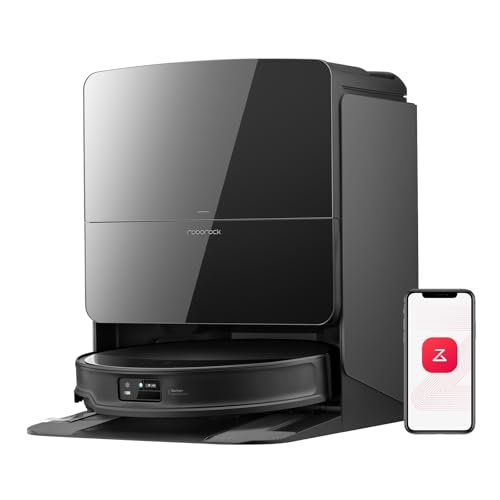
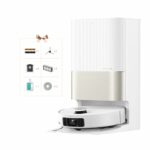
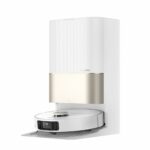
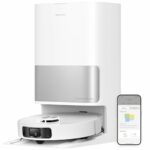
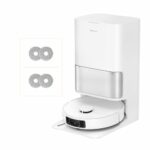
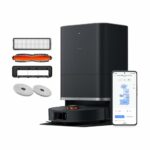
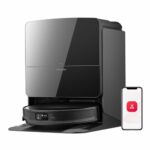
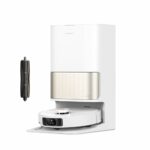
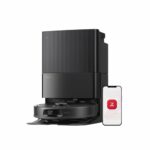
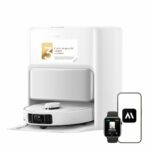
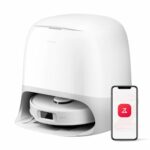
The Dreame L10s Ultra Gen 2 and the Roborock Saros 10R represent two distinct approaches to automated floor cleaning, released in 2024 and 2025 respectively. The Dreame model positions itself as a capable all-rounder with solid specifications and practical features, whilst the Roborock entry arrives as a more technologically advanced option with enhanced intelligence and power. The L10s Ultra Gen 2 delivers 10,000 Pa of suction alongside rotating mopping pads and a multifunctional base station. The Saros 10R steps up with 18,500 Pa suction, dual AI cameras, and advanced cleaning algorithms that adapt to different floor conditions. These are both premium robots designed for homes that demand thorough vacuuming and genuine mopping performance, not just token floor wiping.
For households seeking comprehensive automation with minimal intervention, either model offers autoemptying, mop washing, and drying capabilities. The choice between them depends on priorities: extended runtime versus raw power, simplicity versus cutting-edge intelligence, and budget considerations for those who value proven technology over the latest innovations.
Differences at a Glance
- Suction power: 10,000 Pa (Dreame) versus 18,500 Pa (Roborock)
- Battery capacity: 5,200 mAh with 240 minutes runtime (Dreame) versus 6,400 mAh with 180 minutes (Roborock)
- Brush system: simple main brush (Dreame) versus DuoDivide anti-tangle design (Roborock)
- The Saros 10R features elevating main and side brushes; the L10s Ultra Gen 2 does not
- Only the Roborock includes an extendable side brush for corner cleaning
- Mopping water temperature: cold (Dreame) versus warm (Roborock)
- Mop elevation: 10.5 mm (Dreame) versus 12-22 mm adjustable (Roborock)
- The Saros 10R automatically removes mops at the base for vacuum-only sessions
- Dual AI cameras with remote access and night vision LED exclusive to Roborock
- The Saros 10R recognises 108 different obstacles and detects dirt on floors and mops
- Robot height: 97 mm (Dreame) versus 79.8 mm (Roborock)
- Base self-cleaning: absent on Dreame, version 2.0 on Roborock
- Dust bag capacity: 3.2 litres (Dreame) versus 2.5 litres (Roborock)
- The L10s Ultra Gen 2 offers an optional plumbing connection kit sold separately
- Only the Roborock includes a built-in voice assistant
Power and Vacuuming Performance
Suction capability differs substantially between these models. The Dreame L10s Ultra Gen 2 generates 10,000 Pa, which handles everyday debris, pet hair, and dust across hard floors and low-pile carpets without difficulty. The Roborock Saros 10R nearly doubles that figure with 18,500 Pa, providing considerably more aggressive cleaning for homes with thick rugs, embedded dirt, or heavy shedding pets. In practical terms, this extra power translates to fewer repeat passes and more thorough extraction from carpet fibres.
The brush systems reveal another clear distinction. Dreame equips the L10s Ultra Gen 2 with a conventional main roller, effective but prone to hair tangles over time. Roborock's DuoDivide anti-tangle brush uses a split design that channels hair towards the central suction inlet, significantly reducing the frequency of manual cleaning. This becomes especially relevant for households with long-haired occupants or multiple pets.
The Saros 10R elevates both its main brush and side brush when mopping commences, preventing wet bristles from spreading dirt or leaving streaks on damp floors. The L10s Ultra Gen 2 lacks this feature, meaning brushes remain in contact with the floor throughout mopping cycles. Roborock also extends its side brush outward to reach deeper into corners and along skirting boards, whilst the Dreame model uses a fixed side brush configuration. These details matter for homes with complex floor plans or furniture arrangements that create hard-to-reach zones.
Mopping System
Both robots employ dual rotating mopping pads, but implementation varies considerably. The Dreame L10s Ultra Gen 2 extends its mops using the RoboSwing movement, which shifts the robot's rear section to push mops slightly under furniture edges and wall borders. The Roborock Saros 10R also features mop extension without requiring the swinging motion, achieving similar edge coverage through direct pad positioning.
Mop lift height affects how well these robots transition between floor types. The Dreame raises its pads 10.5 mm, sufficient for low-profile rugs and door thresholds. The Roborock offers adjustable elevation between 12 and 22 mm, accommodating thicker carpets and ensuring mops stay completely clear of soft surfaces during vacuum-only passes. This flexibility proves valuable in mixed-flooring environments.
Water temperature makes a tangible difference in cleaning effectiveness. The L10s Ultra Gen 2 mops with cold water, which handles light soiling and routine maintenance adequately. The Saros 10R uses warm water for mopping, improving the breakdown of greasy residues and sticky spills. The Roborock base also washes mop pads with hot water, compared to cold water washing on the Dreame station. Both bases dry mops using warm air to prevent bacterial growth and odours.
The Saros 10R detects dirt levels on both the floor surface and the mop pads themselves, triggering additional cleaning passes or mop rewashing as needed. It also automatically detaches mops at the base when vacuuming alone is required, eliminating the need to manually remove pads for carpet-only cleaning. The Dreame model lacks these automatic adjustments, operating according to preset routines without adaptive responses to actual floor conditions.
Navigation and Intelligence
The Dreame L10s Ultra Gen 2 navigates using a 3D LiDAR turret combined with frontal 3D laser sensors for obstacle detection. This setup maps floor plans accurately and avoids most common obstructions, including pet recognition capabilities. The Roborock Saros 10R deploys its StarSight 2.0 system, which integrates dual AI cameras with 3D sensors to recognise 108 distinct object types. This extensive database allows the robot to differentiate between shoes, cables, pet waste, and furniture legs, adjusting cleaning behaviour accordingly.
The dual cameras on the Saros 10R provide remote viewing access through the app, allowing homeowners to check on pets or monitor rooms whilst away. An integrated LED illuminates dark spaces for night-time navigation and camera visibility. The L10s Ultra Gen 2 offers no camera functionality, relying purely on laser-based mapping without visual verification or remote viewing options.
Artificial intelligence features diverge significantly. Dreame's CleanGenius system optimises cleaning routes and adjusts suction or water flow based on room types selected in the app. Roborock's SmartPlan 2.0 goes further, actively identifying dirt concentrations through visual analysis and sensor feedback, then automatically intensifying cleaning in affected areas. The RR Mason 11.0 processing algorithm manages these decisions in real time. For households with unpredictable mess patterns—young children, frequent cooking, or active pets—this adaptive intelligence reduces the need for manual spot cleaning.
Battery and Runtime
The Dreame L10s Ultra Gen 2 houses a 5,200 mAh battery delivering up to 240 minutes of continuous operation. This extended runtime suits larger properties where the robot may need to cover substantial floor area before returning to recharge. The Roborock Saros 10R contains a larger 6,400 mAh battery but runs for 180 minutes per charge. The shorter runtime despite greater capacity reflects the higher power consumption from the more potent suction motor, advanced processors, and dual camera systems.
In practical application, the Dreame model handles expansive single-level homes or flats without mid-clean recharging interruptions. The Roborock's combination of shorter runtime and higher efficiency means it cleans faster per square metre, potentially completing the same area in less time despite the reduced total minutes available. Recharge duration isn't specified for either model, though both automatically return to base when battery levels drop and resume cleaning once recharged if the job remains incomplete.
Smart Features
Obstacle climbing ability differs between these robots. The Dreame L10s Ultra Gen 2 surmounts barriers up to 20 mm high, managing standard door thresholds and shallow floor transitions. The Roborock Saros 10R handles simple steps and raised thresholds, though the exact height specification isn't detailed beyond describing its capability for typical household obstacles. Both robots adjust automatically to these height changes without requiring intervention.
Voice control integration includes compatibility with Alexa and Google Home for both models. The Saros 10R distinguishes itself with a built-in voice assistant that responds directly without requiring external smart speakers or internet connectivity for basic commands. The L10s Ultra Gen 2 relies entirely on third-party voice platforms, which may matter less for homes already equipped with smart home ecosystems but represents an additional convenience for those preferring standalone operation.
Multifunctional Base Station
Both base stations automate the essential maintenance tasks: emptying the robot's dust container, washing mopping pads, and drying them to prevent odours. The Dreame base holds a 3.2-litre dust bag, reducing replacement frequency compared to the Roborock's 2.5-litre capacity. For homes generating substantial debris—pet hair, outdoor dirt, or large floor areas—the larger bag means fewer trips to purchase and install replacements.
Water tank sizes favour the Dreame configuration, with 4.5 litres of clean water versus 4 litres on the Roborock, and 4 litres dirty water capacity compared to 3 litres. These differences become noticeable in larger homes where the robot completes multiple mopping sessions before requiring tank refills. The Dreame L10s Ultra Gen 2 supports an optional plumbing connection kit, purchased separately, which automates water supply and drainage. The Roborock Saros 10R doesn't offer this accessory, requiring manual tank management regardless of installation preferences.
Base tray self-cleaning separates these models significantly. The Dreame station requires manual cleaning of the mop washing tray, where residue and grime accumulate over time. The Roborock base features version 2.0 self-cleaning, automatically flushing and scrubbing its own washing basin to maintain hygiene without user intervention. This reduces maintenance effort and ensures consistent mop washing performance. Both stations include detergent dispensers for enhanced cleaning results.
Physical Dimensions
Robot height proves critical for furniture clearance. The Roborock Saros 10R measures just 79.8 mm tall, slipping beneath most sofas, beds, and low-profile cabinets where dust accumulates. The Dreame L10s Ultra Gen 2 stands at 97 mm, which may prevent access under furniture with minimal ground clearance. For homes with low-slung furnishings or platform beds, this 17 mm difference determines whether the robot can clean these spaces or leaves them untouched.
Diameter dimensions are nearly identical: 350 mm for the Dreame and 353 mm for the Roborock. Both navigate standard doorways and squeeze between chair legs without difficulty. Weight specifications aren't provided, though both robots manoeuvre without struggling on typical floor surfaces.
Base station footprints differ in profile. The Dreame base measures 340 mm wide, 590.5 mm tall, and 456.7 mm deep—a taller, narrower profile. The Roborock base spans 381 mm wide, 488 mm tall, and 475 mm deep—shorter but broader. The Dreame configuration fits more easily in tight vertical spaces like cupboards or alcoves, whilst the Roborock's lower height suits placement under counters or shelving. Depth is similar enough that neither requires significantly more floor space, though the Roborock's extra width may matter in particularly narrow locations.
Real-World Application
For expansive properties, the Dreame L10s Ultra Gen 2 offers longer single-charge coverage thanks to its 240-minute runtime, making it suitable for homes exceeding 150 square metres where the robot needs to traverse multiple rooms without interruption. The larger dust bag and water tanks also reduce maintenance frequency in high-traffic households. The optional plumbing kit appeals to those willing to invest in permanent installation for complete hands-off operation.
Pet owners face different considerations. The Roborock Saros 10R's DuoDivide anti-tangle brush and significantly higher suction power manage heavy shedding more effectively, requiring less frequent brush cleaning and extracting more fur from carpets. The dual cameras identify and avoid pet accidents, whilst the dirt detection system ensures thorough cleaning in areas where pets spend time. The Dreame model handles pet hair adequately but demands more regular brush maintenance and may require additional passes on thick carpets.
Homes with varied flooring benefit from the Roborock's greater mop lift range and automatic mop removal, which prevents any risk of dampening carpets during mixed cleaning sessions. The warm water mopping and hot water mop washing deliver superior results on tiled or vinyl floors with stubborn marks. The Dreame performs reliably on predominantly hard floors with occasional rugs, though its lower mop lift and cold water system suit lighter soiling patterns.
Low-furniture environments strongly favour the Saros 10R's 79.8 mm height, which accesses spaces the taller Dreame cannot reach. This becomes especially relevant for bedrooms with platform beds or living rooms with contemporary low-profile sofas. Conversely, the Dreame's taller profile may actually improve dustbin access and filter replacement, though this advantage matters less than cleaning coverage.
Conclusion: Which Should You Choose?
Choose the Dreame L10s Ultra Gen 2 if: Extended runtime matters more than raw power, particularly in larger homes where 240 minutes of operation prevents mid-clean recharging. The larger 3.2-litre dust bag and 4.5-litre water tanks reduce maintenance frequency for busy households. The optional plumbing connection kit suits those planning permanent installation for maximum automation. This model represents solid value for homes with primarily hard floors, moderate pet hair, and standard furniture heights, where advanced AI features aren't essential but reliable performance is.
Choose the Roborock Saros 10R if: Maximum suction power and anti-tangle brush design are priorities, especially with heavy-shedding pets or thick carpets. The 79.8 mm height proves essential for cleaning under low furniture where dust accumulates. Dual AI cameras with remote access appeal to those monitoring pets or home security. Warm water mopping, dirt detection, and automatic mop removal deliver superior results for homes with mixed flooring and frequent spills. The self-cleaning base tray minimises hands-on maintenance. This represents the better choice for tech-focused households wanting the most advanced cleaning intelligence and adaptive performance, where the premium price reflects genuinely useful innovations rather than marketing features.