Introduction
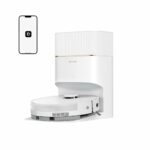
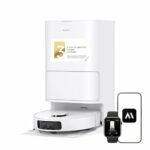
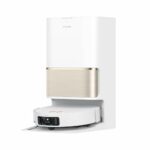
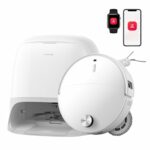
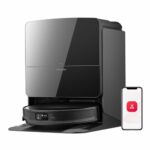
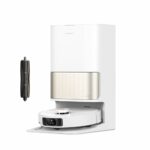
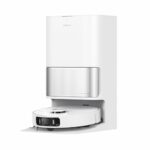
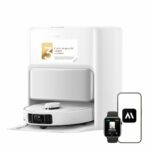
The Cecotec Conga X70 and Dreame D20 represent two distinct approaches to robot vacuum technology in 2025. The Conga X70 arrives as a premium solution with a full multifunctional base station, whilst the D20 positions itself as a more straightforward model focused on core vacuuming capabilities. Understanding these fundamental differences becomes essential when deciding which robot suits your home.
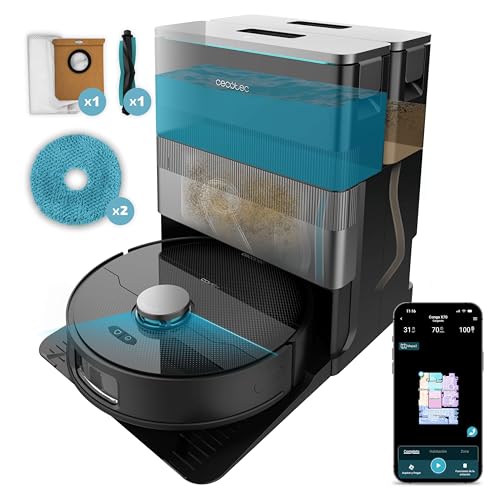
The Spanish manufacturer Cecotec has equipped the X70 with rotating mops and an all-in-one base that handles emptying, washing, and drying. Dreame's D20, meanwhile, offers a simpler setup with a static mop and no multifunctional base. This comparison reveals how each manufacturer has prioritised different aspects of automated cleaning.
Power and Vacuuming
Suction power separates these models noticeably. The Cecotec Conga X70 generates 15,000 Pa, giving it a clear advantage over the Dreame D20's 13,000 Pa. This difference matters particularly on carpets or when dealing with embedded dirt in floor crevices.
The brush systems diverge significantly. Cecotec has opted for a traditional bristle brush, which tends to collect hair and requires more frequent maintenance. Dreame counters with their double HyperStream brush design, where two brushes anchored at one end work to prevent hair tangles. For homes with pets or long-haired residents, the D20's approach reduces the frustration of cutting away wrapped hair.
Neither model offers a retractable main brush during mopping, nor do they feature extendable or liftable side brushes. Both maintain fixed side brush configurations without anti-tangle technology on these components.
Mopping Capabilities
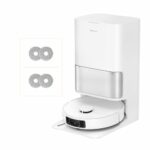
The mopping systems reveal perhaps the starkest contrast in this comparison. The Conga X70 employs dual rotating mops that actively scrub the floor, whilst the D20 uses a static mop that simply drags across surfaces. Rotating mops apply consistent pressure and motion, delivering more thorough cleaning than passive designs.
Cecotec has included mop extension functionality, allowing the X70 to reach closer to skirting boards and into corners. The Dreame D20 lacks this feature entirely. The X70 also lifts its mops 8 mm when transitioning to carpets or rugs, protecting them from unwanted moisture. The D20 cannot lift its mop at all, meaning you'll need to remove it manually before vacuuming carpeted areas.
Both robots use cold water for mopping, with no heated water systems for tackling stubborn stains. Neither can automatically detach mops at the base station, and neither includes dirt detection sensors that would trigger re-mopping of particularly soiled areas.
Navigation Systems
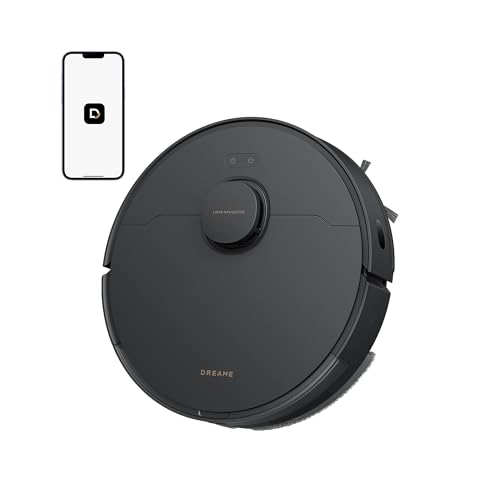
Both the Cecotec Conga X70 and Dreame D20 navigate using 360-degree LiDAR turrets combined with frontal 3D laser sensors for obstacle detection. This dual approach allows precise mapping whilst avoiding collisions with furniture legs, cables, and other floor-level hazards.
The crucial difference lies in the X70's AI camera. This additional visual input helps the robot better understand its environment, though it's worth noting that neither model offers remote camera access for home monitoring. Neither robot includes LED lighting for low-light conditions, and neither specifically recognises pets or detects curtains to avoid entanglement.
In practical terms, both should map your home accurately and navigate efficiently. The camera on the Cecotec model potentially provides more contextual awareness, but Dreame's sensor suite remains capable for standard household navigation.
Battery and Autonomy
Both robots share identical 5,200 mAh batteries. Unfortunately, specific runtime figures aren't available for either model, making it difficult to predict exactly how long each will operate on a single charge. With matched battery capacities, the slightly higher suction power of the Conga X70 might drain its battery marginally faster during intensive cleaning, though this difference would likely prove negligible in real-world use.
Smart Features
The Cecotec Conga X70 demonstrates superior climbing ability, managing obstacles up to 30 mm high. The Dreame D20 handles 20 mm thresholds. That extra centimetre makes a tangible difference when crossing thick door thresholds, carpet edges, or uneven flooring transitions common in older homes.
Voice control compatibility favours the D20, which integrates with Alexa and Google Home ecosystems. The Conga X70 surprisingly lacks this connectivity, requiring you to rely solely on the smartphone app for voice-free control. Neither robot includes its own built-in voice assistant or a robotic arm for advanced object manipulation.
Multifunctional Base Station
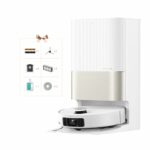
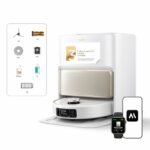
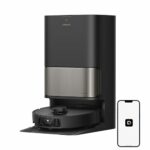
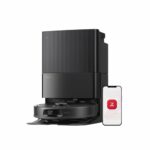
This category highlights the most significant functional divide. The Cecotec Conga X70 comes with a comprehensive base station that automatically empties the robot's dustbin into a 2.5-litre bag, washes the mops with cold water from a 4-litre clean water tank, and dries them using hot air. The dirty water collects in a 3.5-litre tank. This automation means the robot returns to the base during mopping sessions to clean its mops, then continues with fresh pads.
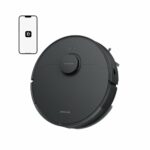
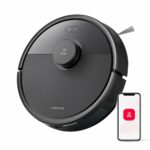
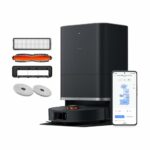
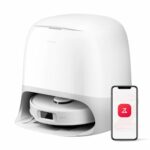
The Dreame D20 has no such base. You'll manually empty its 700 ml dustbin and 350 ml water tank, and hand-wash the mop pad after each use. For anyone seeking minimal intervention cleaning, this represents a fundamental limitation.
Neither base includes automatic bandeja cleaning, UV disinfection, detergent dispensers, or water pipe connections. The Conga's base handles the essentials well, but doesn't extend to premium features found on higher-end models from other manufacturers.
Dimensions and Physical Design
The Dreame D20 measures 350 mm in diameter and stands just 96.8 mm tall, making it one of the slimmer options for sliding beneath low furniture. The Cecotec Conga X70 spans 340 mm across but rises to 110 mm in height. That 13.2 mm difference determines whether the robot fits under sofas, beds, and cabinets with limited clearance.
Base station dimensions matter if space is tight. The Conga X70's base occupies 340 mm width, 450 mm height, and 425 mm depth—a substantial footprint typical of multifunctional stations. The D20's compact charging dock measures just 126 mm wide, 92.6 mm tall, and 130 mm deep, tucking away far more discreetly.
Real-World Usage Scenarios
The Cecotec Conga X70 suits households wanting comprehensive automation without frequent maintenance. Its multifunctional base handles dustbin emptying and mop maintenance, whilst the rotating mops with extension tackle floor cleaning more aggressively. The higher suction power benefits homes with carpets or pets, though the bristle brush will require regular hair removal. Expect to dedicate floor space to the sizeable base station.
The Dreame D20 appeals to those prioritising simplicity and low-profile design. Its 96.8 mm height accesses spaces the Conga cannot reach, and the HyperStream brush reduces hair tangles. However, you'll handle all maintenance manually—emptying the dustbin, refilling the water tank, and washing the mop pad. The static mop delivers basic floor wiping rather than active scrubbing, suitable for light maintenance rather than deep cleaning.
For larger homes, the X70's automated base reduces intervention frequency. For smaller flats or homes with low furniture, the D20's dimensions and simpler operation might prove more practical.
Conclusion: Which Should You Choose?
Choose the Cecotec Conga X70 if: you want minimal maintenance with a base that empties, washes, and dries automatically. The rotating mops with edge extension deliver more thorough floor cleaning, whilst 15,000 Pa suction handles carpets and embedded dirt effectively. The 30 mm obstacle climbing suits homes with varied flooring levels. Accept that you'll need space for the large base station and must clean the bristle brush regularly if you have pets.
Choose the Dreame D20 if: you prefer a compact, straightforward robot vacuum without the complexity of a multifunctional base. Its 96.8 mm height fits under more furniture, and the HyperStream brush resists hair tangles better than traditional bristles. Voice assistant compatibility integrates with existing smart home setups. Be prepared for hands-on maintenance—emptying the dustbin, refilling water, and washing the mop manually. The static mop handles light floor maintenance rather than intensive scrubbing, making it better suited to smaller homes or those who supplement with occasional manual mopping.