Introduction
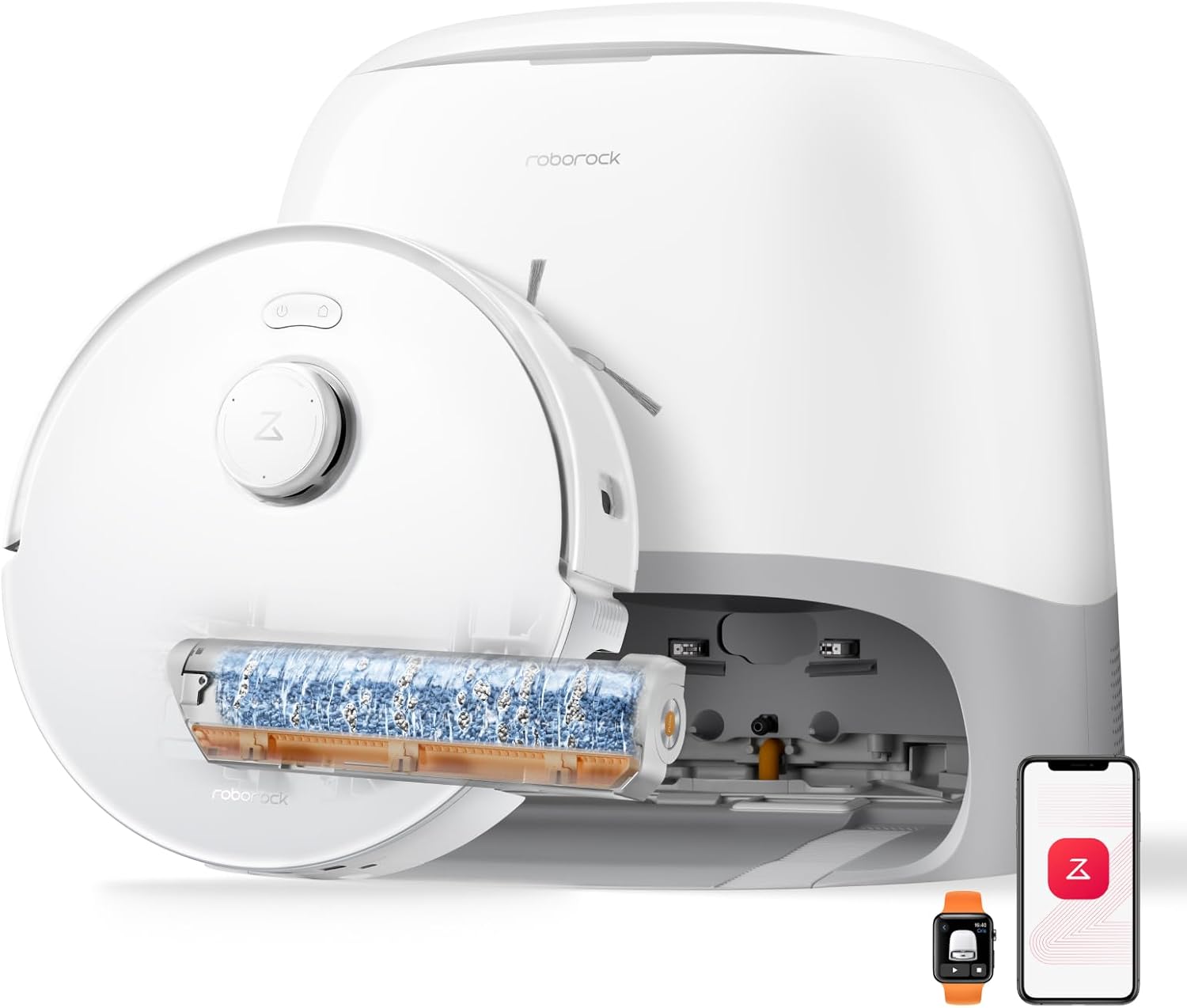
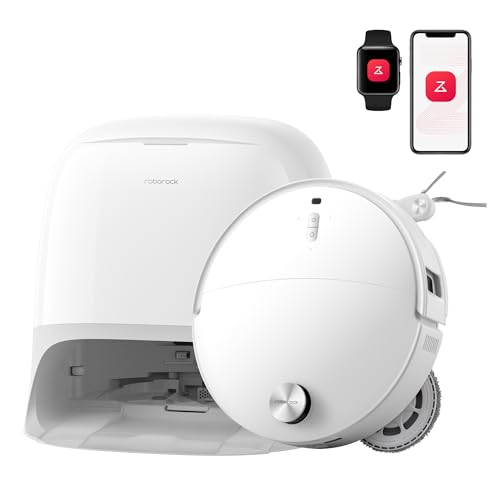
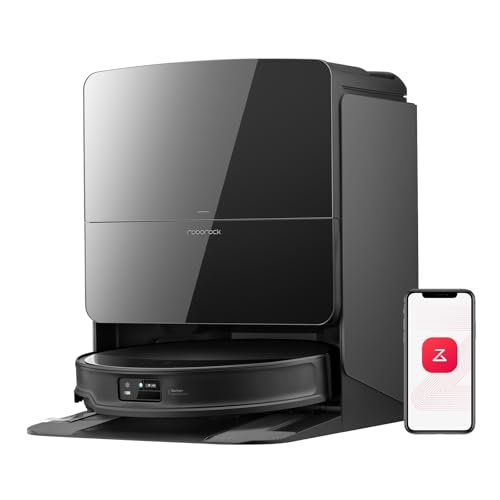
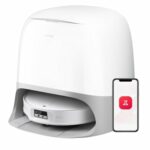
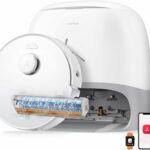
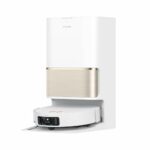
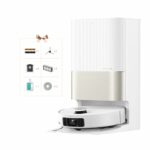
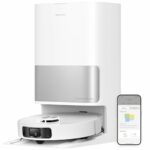
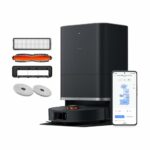
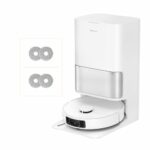
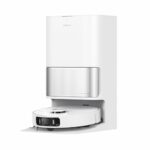
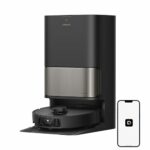
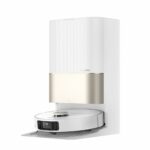
The Roborock Qrevo Curv 2 Flow, Qrevo Curv 2 Pro, and Saros 10R represent three distinct approaches within Roborock's 2025-2026 lineup. The Qrevo Curv 2 Flow launches in February 2026 and introduces a roller-based mopping system, whilst the Qrevo Curv 2 Pro arrived in 2025 with dual spinning mops and superior suction power. The Saros 10R, also from 2025, brings warm water mopping and a detergent dispenser to the table.
These models cater to different household needs. The Flow's roller design suits those seeking simplified mopping maintenance, the Pro targets users wanting maximum suction strength, and the Saros 10R appeals to anyone prioritising thorough floor washing with heated water. All three feature multifunctional bases with hot air drying and intelligent navigation systems.
Differences at a Glance
- Suction power varies significantly: 20,000 Pa (Flow), 25,000 Pa (Pro), 18,500 Pa (Saros 10R)
- The Flow uses a 270 mm roller for mopping; the Pro and Saros 10R employ dual spinning mops
- Only the Saros 10R washes floors with warm water and includes a detergent dispenser
- The Pro achieves 290 minutes autonomy with its 6,400 mAh battery; the Flow manages 242 minutes despite a 5,200 mAh cell
- Mop elevation differs: 15 mm+ (Flow), 7-17 mm (Pro), 12-22 mm (Saros 10R)
- The Flow features a retractable LiDAR turret and stands 119 mm tall; the Pro and Saros 10R measure 79.8 mm
- Side brush design: the Flow has dual anti-tangle brushes that lift, the Pro and Saros 10R extend horizontally
- Base self-cleaning: the Pro uses version 3.0, the Saros 10R version 2.0, the Flow simply confirms the feature
- The Pro cannot remove mops automatically at the base for vacuum-only sessions
Power and Suction
The Qrevo Curv 2 Pro leads decisively with 25,000 Pa suction, making it the strongest of this trio. The Flow sits at 20,000 Pa, whilst the Saros 10R delivers 18,500 Pa. In practice, this means the Pro handles embedded dirt in carpets more aggressively, though all three possess sufficient power for typical household debris.
All models share the DuoDivide anti-tangle main brush, which channels hair towards the central suction gap to minimise tangles. The main brush lifts during mopping across all three robots, preventing wet carpet contact.
Side brush configuration separates these models. The Flow and Saros 10R elevate their side brushes when mopping, keeping them dry. The Pro lacks this lifting mechanism but compensates with an extendable side brush that reaches into corners more effectively. The Flow employs a dual side brush system with anti-tangle properties and lifting capability, whilst the Pro and Saros 10R feature standard extendable designs with anti-tangle technology.
Mopping
The mopping approach fundamentally differs between the Flow and its siblings. The Flow uses a 270 mm roller that rotates continuously, similar to traditional floor scrubbers. The Pro and Saros 10R rely on dual spinning mops that press against the floor. Both methods extend to reach edges, but roller systems typically require less frequent cleaning.
Mop elevation varies considerably. The Flow lifts mops 15 mm or higher, the Pro manages 7-17 mm, and the Saros 10R achieves 12-22 mm. These differences affect how well each robot transitions between hard floors and thick rugs without dragging wet pads across carpets.
Water temperature marks a crucial distinction. The Saros 10R heats water for floor washing, loosening stubborn grime more effectively than cold water. The Flow and Pro both use cold water for mopping. For base maintenance, all three wash mops with hot water and dry them using heated air to prevent odours.
The Pro and Saros 10R automatically detach their mops at the base when you schedule vacuum-only cleaning, saving you from manual removal. The Flow's roller system doesn't offer this convenience. All three detect dirty mops and soiled floors, triggering rewashes or additional passes as needed.
Navigation System
Navigation hardware differs subtly. The Flow features a retractable LiDAR turret that lowers when not needed, whilst the Pro uses a retractable LiDAR without the "turret" designation. The Saros 10R employs StarSight 2.0 technology. Functionally, all three map accurately and avoid obstacles reliably.
Camera systems show variation. The Flow has a single AI camera, whilst the Pro and Saros 10R each incorporate dual AI cameras for enhanced object recognition. The Flow recognises 200 different obstacles, matching the Pro; the Saros 10R identifies 108 obstacle types. All three detect pets, provide remote camera access, and include LED lighting for night-time vision.
Each model runs SmartPlan AI for intelligent cleaning routines and recognises stains requiring extra attention. The Saros 10R specifies its RR Mason 11.0 algorithm, though the Flow and Pro don't disclose their processing details in the available data.
Battery and Autonomy
Battery capacity splits these models into two groups. The Pro and Saros 10R both carry 6,400 mAh batteries, whilst the Flow contains 5,200 mAh. Despite the smaller cell, the Flow achieves 242 minutes of runtime, suggesting efficient power management. The Pro extends this to 290 minutes—the longest autonomy here. The Saros 10R runs for 180 minutes, noticeably shorter despite matching the Pro's battery capacity.
For large homes, the Pro's nearly five-hour runtime proves advantageous, allowing completion of extensive floor plans without recharging mid-clean. The Flow's four-hour capability suits medium-sized properties comfortably. The Saros 10R's three-hour limit works fine for smaller dwellings but may require top-ups in sprawling layouts.
Smart Functions
Obstacle climbing varies across the range. The Flow clears 20 mm obstacles, whilst the Pro and Saros 10R handle simple steps without specifying exact heights. In real-world terms, this affects transitions over thick door thresholds and raised room dividers.
All three include Roborock's own voice assistant alongside compatibility with Alexa and Google Home. None feature robotic arms for advanced manipulation tasks.
Multifunctional Base
Every model automatically empties its dustbin, washes mops with hot water, and dries them using heated air. The bases differ in self-cleaning sophistication: the Pro uses version 3.0 of the tray cleaning system, the Saros 10R employs version 2.0, and the Flow confirms the feature without version numbering. This typically means the Pro maintains its base with less manual intervention.
The Saros 10R uniquely includes a detergent dispenser, automatically adding cleaning solution during mop washing. The Flow and Pro lack this reservoir, relying on water alone. None offer UV disinfection or integrated plumbing connections.
Dust bag capacity reaches 2.7 litres in the Flow versus 2.5 litres in the Pro and Saros 10R—a marginal difference extending replacement intervals slightly. All three share 4-litre clean water tanks. Dirty water capacity measures 3.5 litres for the Flow and 3 litres for the other two, meaning the Flow requires marginally less frequent emptying.
Dimensions
The Flow stands noticeably taller at 119 mm compared to 79.8 mm for the Pro and Saros 10R. This extra height—nearly 40 mm—restricts access beneath low-clearance furniture like modern sofas or platform beds. If squeezing under furniture matters in your home, the Pro or Saros 10R navigate these spaces far more successfully.
Diameter remains nearly identical: 353 mm for the Flow and Saros 10R, 352 mm for the Pro. These millimetre differences prove irrelevant in practical use.
Base footprints vary more substantially. The Flow and Pro measure 450 mm in width, depth, and height—perfect cubes. The Saros 10R's base is narrower at 381 mm wide but taller at 488 mm and deeper at 475 mm. Consider your storage space: the Flow and Pro need more floor area but less vertical clearance, whilst the Saros 10R suits tighter widths if you've got the height.
Real-World Usage
For pet owners, all three handle hair well thanks to DuoDivide brushes, though the Pro's superior suction extracts embedded fur from carpets most effectively. The Flow's dual anti-tangle side brushes may simplify maintenance in homes with shedding animals.
Large properties benefit most from the Pro's 290-minute autonomy and powerful 25,000 Pa suction, completing extensive cleaning sessions without interruption. The Saros 10R's warm water mopping excels in kitchens prone to sticky spills or homes with young children, where hygiene takes priority. The Flow's roller system reduces mop maintenance frequency, appealing to users wanting minimal intervention.
The Flow's 119 mm height limits its usefulness if your furniture sits low to the ground. The Pro and Saros 10R's slimmer 79.8 mm profile accesses more areas autonomously. Conversely, the Flow's retractable turret may appeal to those who prefer a sleeker aesthetic when the robot docks.
Base size matters in compact homes. The Saros 10R's narrower 381 mm width fits into tighter alcoves, though its extra height requires adequate vertical space. The Flow and Pro demand more floor area but accommodate lower overhead clearances.
Conclusion: Which to Choose?
Choose the Roborock Qrevo Curv 2 Flow if you prefer roller-based mopping for simplified maintenance, don't mind the taller 119 mm profile, and want a slightly larger dustbag capacity. This suits medium-sized homes without low furniture where you value straightforward upkeep over maximum suction power.
Choose the Roborock Qrevo Curv 2 Pro if you need the strongest suction at 25,000 Pa for deep carpet cleaning, require the longest 290-minute runtime for large properties, and want the latest version 3.0 base self-cleaning. The slim 79.8 mm height accesses more spaces, making it ideal for homes with low-clearance furniture and demanding cleaning requirements.
Choose the Roborock Saros 10R if warm water mopping and automatic detergent dispensing matter most, particularly in households prioritising hygiene or tackling greasy kitchen floors. The narrower base fits compact storage areas, and the 12-22 mm mop lift handles varied flooring transitions effectively. Best suited to smaller or medium homes where thorough washing outweighs sheer suction strength.