Introduction
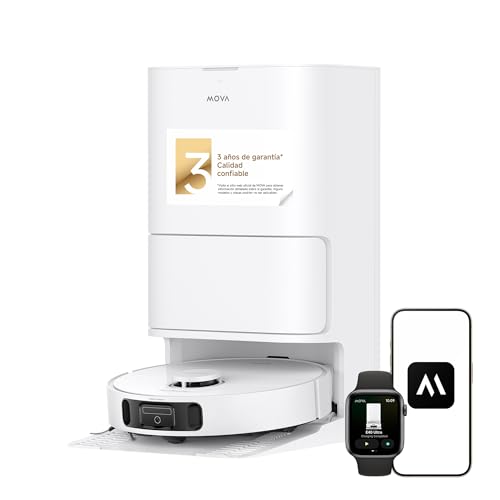
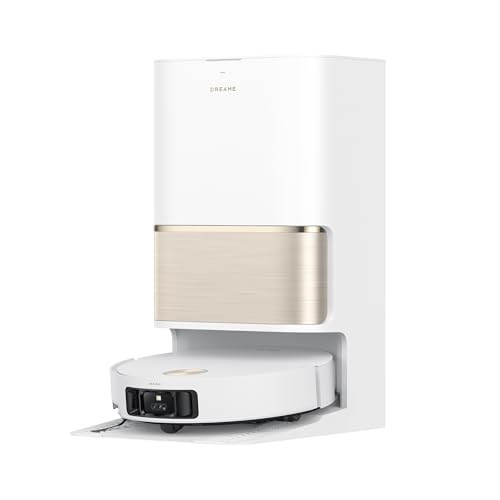
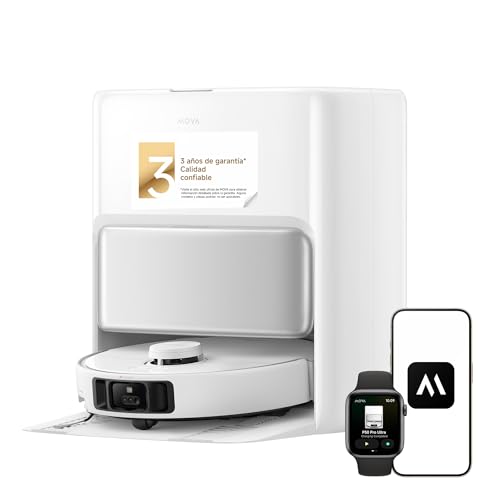
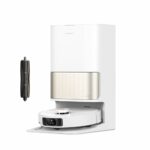
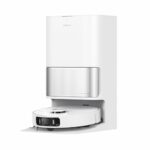
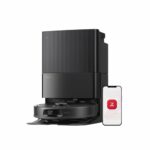
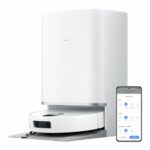
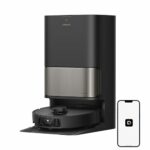
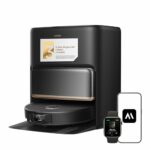
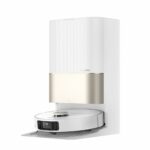
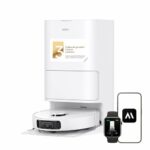
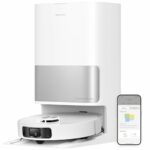
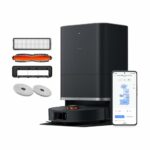
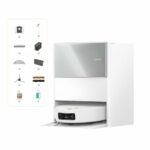
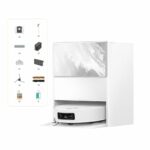
When looking at Dreame's 2025 lineup, the relationship between the Mova E40 Ultra, Dreame L50 Pro Ultra, and Mova P50 Pro Ultra becomes particularly interesting. Mova operates as Dreame's second brand, and these three models share a common foundation whilst targeting slightly different user profiles. All three sit comfortably in the premium segment with their 19,000 Pa suction power (19,500 Pa for the L50 Pro Ultra) and comprehensive multifunctional bases.
The E40 Ultra positions itself as the entry point into this ecosystem, whilst the L50 Pro Ultra and P50 Pro Ultra add layers of intelligent features that matter for those wanting more autonomous operation. Each model handles both vacuuming and mopping duties with rotating mops that extend for edge cleaning, making them suitable for homes with mixed flooring and a need for genuinely effective wet cleaning.
Differences at a glance
- The L50 Pro Ultra delivers 19,500 Pa suction versus 19,000 Pa on both Mova models
- Battery capacity varies significantly: 6,400 mAh for the L50 Pro Ultra, 5,200 mAh for both Mova units
- Main brush systems differ completely: SimpleSpin on the E40 Ultra, dual HyperStream brushes on the L50 Pro Ultra, and TriCut 3.0 on the P50 Pro Ultra
- Only the L50 Pro Ultra and P50 Pro Ultra feature liftable main and side brushes
- The E40 Ultra lacks an AI camera; the other two include dual cameras
- Automatic mop removal at the base works only on the L50 Pro Ultra and P50 Pro Ultra
- Detergent dispensing comes standard on the L50 Pro Ultra and P50 Pro Ultra, optional on the E40 Ultra
- Base dimensions shift notably with the P50 Pro Ultra taking a different footprint
Power and Vacuuming Performance
The Dreame L50 Pro Ultra edges ahead with 19,500 Pa of suction power, a modest but measurable increase over the 19,000 Pa found in both Mova models. In practical terms, this translates to slightly better performance on thicker carpets or when dealing with embedded debris.
Where things get more interesting is the brush configuration. The Mova E40 Ultra uses a SimpleSpin brush, a straightforward design that gets the job done without particular anti-tangle features. The L50 Pro Ultra takes a different approach with its dual HyperStream brushes—two independent rollers anchored at one end, a design that actively prevents hair from wrapping around the mechanism. The P50 Pro Ultra opts for TriCut 3.0 technology, combining bristles with integrated blades that slice through tangled hair during operation.
For homes with pets or long-haired residents, this distinction matters considerably. The HyperStream system on the L50 Pro Ultra arguably offers the most maintenance-free experience, whilst the TriCut 3.0 on the P50 Pro Ultra provides a middle ground between traditional brushes and completely tangle-free designs.
The side brush situation reveals another clear divide. Both the L50 Pro Ultra and P50 Pro Ultra feature extensible side brushes that reach further into corners, and these brushes lift automatically when mopping begins to avoid dragging wet dirt around. The E40 Ultra's side brush remains fixed and doesn't elevate during wet cleaning. Similarly, the main brush on the L50 Pro Ultra and P50 Pro Ultra lifts clear of the floor when mopping, preventing the spread of moisture onto carpets or the brush itself. The E40 Ultra lacks this refinement.
Mopping System
All three models deploy dual rotating mops with RoboSwing technology, allowing the robot to shimmy slightly and push the mop pads under furniture edges and skirting boards. Each can extend its mops outward for better edge coverage, and all lift their mops 10.5 mm when encountering carpets or returning to base.
The washing process uses hot water for mop cleaning across the board, and all three dry the mops with warm air to prevent bacterial growth and unpleasant smells. What changes is the intelligence behind the cleaning.
The L50 Pro Ultra and P50 Pro Ultra can automatically remove their mop pads at the base when you only want vacuuming, saving you the manual task of detaching them. More significantly, these two models detect when their mops become dirty during cleaning and when the floor itself requires additional passes. The E40 Ultra cleans on a fixed schedule without this adaptive behaviour.
For detergent dispensing, the L50 Pro Ultra and P50 Pro Ultra include integrated tanks as standard. The E40 Ultra offers this as an optional addition, which means considering the total cost if you want that functionality from the start.
Navigation System
The Mova E40 Ultra navigates using a LiDAR turret and 3D laser sensors at the front for obstacle detection. It recognises pets and adjusts its behaviour accordingly, but it doesn't have cameras for visual identification of specific objects.
The Dreame L50 Pro Ultra steps up with a retractable LiDAR system—allowing it to fit under lower furniture—paired with dual AI cameras. This visual intelligence enables it to identify 180 different obstacle types, detect curtains to avoid tangling, and recognise dirt patterns on floors and mops for targeted cleaning. The cameras include LED illumination for night operation, and you can access them remotely to check on your home whilst away. The CleanGenius AI system orchestrates all this information to optimise cleaning patterns.
The Mova P50 Pro Ultra mirrors much of this setup with dual AI cameras, LED lighting, curtain detection, and remote camera access. It recognises 160 obstacle types—slightly fewer than the L50 Pro Ultra but still comprehensive. The CleanGenius AI operates here as well, though the specific CPU details aren't disclosed as they are for the L50 Pro Ultra's AI Sage 13.0 chipset.
In homes with complex layouts, children's toys scattered about, or pets that might be startled by the robot, the visual intelligence of the L50 Pro Ultra and P50 Pro Ultra provides noticeably more refined behaviour.
Battery and Autonomy
Battery capacity tells an interesting story. The Dreame L50 Pro Ultra packs a 6,400 mAh cell, considerably larger than the 5,200 mAh units in both Mova models. Yet the runtime figures land at 200 minutes for the L50 Pro Ultra and 210 minutes for the E40 Ultra and P50 Pro Ultra.
This apparent contradiction likely reflects the power draw from the L50 Pro Ultra's additional cameras, processing, and sensors. In practice, 200 minutes still covers substantial floor area before recharging becomes necessary, but the Mova models technically edge ahead in pure runtime despite their smaller batteries.
Smart Features
Obstacle-climbing ability varies slightly. The E40 Ultra manages 20 mm thresholds, the P50 Pro Ultra handles 22 mm, and the L50 Pro Ultra uses a different measurement system described as simple step crossing. These differences rarely matter in typical homes, but the extra couple of millimetres on the P50 Pro Ultra might help with particularly aggressive door thresholds.
Voice control works differently across the range. All three respond to Alexa and Google Assistant for basic commands. The L50 Pro Ultra and P50 Pro Ultra add their own proprietary voice assistants, allowing direct communication with the robot without routing through external smart home platforms. Whether this matters depends on your existing ecosystem and preferences.
Multifunctional Base
Each model includes a comprehensive base station handling automatic dust emptying, hot water mop washing, and warm air mop drying. The dust bags hold 3.2 litres across all three, and clean water tanks sit at 4.5 litres for the E40 Ultra and L50 Pro Ultra, dropping slightly to 4 litres for the P50 Pro Ultra. Dirty water capacity follows a similar pattern: 4 litres for the first two, 3.5 litres for the P50 Pro Ultra.
The critical difference appears in base self-cleaning. The L50 Pro Ultra and P50 Pro Ultra feature third-generation automatic tray cleaning systems, washing out the area where mops are cleaned to prevent residue buildup. The E40 Ultra requires manual cleaning of this tray, adding a maintenance task that the other two eliminate.
As mentioned earlier, detergent dispensing comes standard on the L50 Pro Ultra and P50 Pro Ultra but remains optional on the E40 Ultra. Additionally, the L50 Pro Ultra offers a separately purchased plumbing connection kit for continuous water supply and drainage, though this isn't included as standard and shouldn't heavily influence your decision unless you specifically want permanent installation.
Physical Dimensions
All three robots measure 350 mm in diameter, but height differs. The Dreame L50 Pro Ultra stands just 89 mm tall—the lowest of the group—making it the best choice for slipping under low-clearance furniture. The E40 Ultra measures 97 mm, and the P50 Pro Ultra rises to 103.8 mm, which might prevent access under some sofas or bed frames.
Base station footprints shift more dramatically. The E40 Ultra and L50 Pro Ultra share identical dimensions: 340 mm wide, 456.7 mm deep, and 590.5 mm tall. The P50 Pro Ultra reconfigures this to 420 mm wide, 458 mm deep, and 470 mm tall—wider and shorter, which might suit different spaces depending on where you plan to position it.
Real-World Usage Scenarios
For larger homes, the L50 Pro Ultra's bigger battery and superior navigation intelligence make extended cleaning sessions more reliable. The visual AI prevents it from getting confused by unexpected obstacles, and the 200-minute runtime handles generous floor plans without interruption.
Households with pets benefit most from the L50 Pro Ultra's dual HyperStream brushes, which genuinely reduce the frequency of hair removal from the mechanism. The P50 Pro Ultra's TriCut system comes close, whilst the E40 Ultra's SimpleSpin brush will require more regular maintenance in this scenario.
If your home features low furniture, the L50 Pro Ultra's 89 mm height opens up cleaning areas the other two simply can't reach. Those extra 8-15 mm matter when dealing with modern platform beds or minimalist sofas.
The automatic mop removal on the L50 Pro Ultra and P50 Pro Ultra genuinely improves convenience. When you want a quick vacuum-only session, the robot handles the preparation itself rather than requiring you to manually detach wet mop pads.
Budget-conscious buyers might find the E40 Ultra appealing if they can accept more hands-on maintenance—manually cleaning the base tray, potentially adding the detergent dispenser separately, and dealing with hair tangles more frequently. The core cleaning performance remains solid; you're primarily trading convenience features for cost savings.
Conclusion: Which Robot Suits You?
Choose the Mova E40 Ultra if you want capable cleaning at the most accessible price point in this comparison, don't mind occasional manual maintenance tasks, and your home doesn't have particularly low furniture or complex obstacle courses. It handles the fundamentals well without the AI refinements.
Choose the Dreame L50 Pro Ultra if you want the most autonomous experience available here, value the lowest profile for getting under furniture, need the most advanced obstacle recognition for a home with pets or children, and appreciate features like remote camera access and automatic mop removal. The larger battery and HyperStream brushes suit homes with pets particularly well.
Choose the Mova P50 Pro Ultra if you want most of the L50 Pro Ultra's intelligence—dual cameras, AI cleaning, automatic mop removal, dirt detection—but prefer the TriCut brush system or need the slightly better threshold-climbing ability. The different base dimensions might also suit your space better, though the taller robot height could limit access under some furniture compared to the L50 Pro Ultra.