Introduction
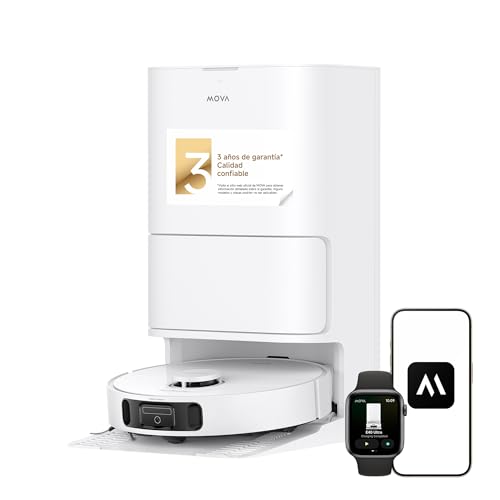
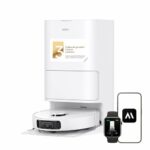
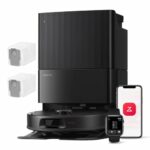
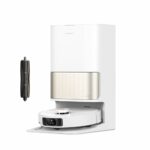
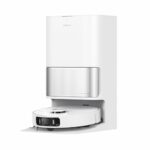
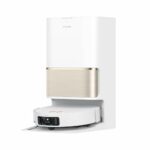
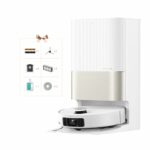
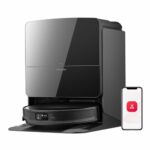
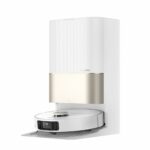
The Mova E40 Ultra and Dreame L10s Ultra Gen 2 represent two compelling options in the premium robot vacuum segment, both equipped with multifunction bases that handle washing and drying mopping pads. The Mova E40 Ultra arrives in 2025 as part of Mova's latest lineup, whilst the Dreame L10s Ultra Gen 2 launched in 2024. These models share a considerable amount of DNA, which makes sense given Mova's close relationship with Dreame, but some meaningful differences emerge when you examine the specifications closely.
Both machines are designed for households seeking a genuinely autonomous cleaning solution. The multifunction bases mean these robots don't just empty their own dustbins—they also wash and dry their mopping pads automatically, returning to the base multiple times during a mopping session to ensure they're always cleaning with fresh pads rather than dragging dirty water across your floors.
Key Differences at a Glance
- The Mova E40 Ultra delivers 19,000 Pa suction compared to 10,000 Pa on the Dreame L10s Ultra Gen 2
- Autonomy differs slightly: 240 minutes for the Dreame versus 210 minutes for the Mova
- The Mova features an anti-tangle side brush, whilst the Dreame's side brush lacks this feature
- Detergent tank comes standard on the Dreame; it's an optional extra for the Mova
- Only the Dreame offers a plumbing connection kit as an optional purchase
Power and Suction
Here's where the most dramatic difference emerges. The Mova E40 Ultra boasts 19,000 Pa of suction power—nearly double the 10,000 Pa offered by the Dreame L10s Ultra Gen 2. In practical terms, this translates to noticeably stronger pickup, particularly on carpets or when dealing with embedded debris in floor crevices. For homes with rugs or households where crumbs and pet hair accumulate quickly, this extra muscle matters.
Both models use a simple main brush design without anti-tangle features, so neither offers a particular advantage for homes with long hair or shedding pets in that respect. Neither robot raises its main brush when mopping, which is fairly standard at this level.
The side brush situation reveals a subtle but useful distinction. The Mova E40 Ultra includes an anti-tangle side brush, designed to reduce hair wrap around the brush mechanism. The Dreame doesn't feature this. Neither model extends or elevates its side brush, so edge cleaning relies on the standard sweeping action rather than any special corner-reaching technology.
Mopping
The mopping systems are remarkably similar. Both robots use dual rotating mops that extend outward to reach edges and baseboards more effectively. This extension works in tandem with a swinging motion—essentially a slight wiggle that helps push the mop closer to walls and under slight overhangs. Both lift their mops 10.5 mm when encountering carpet or rugs, enough clearance to avoid wetting most low-pile floor coverings.
Water temperature during floor mopping remains cold on both models. The bases wash the mops with cold water and dry them using cold air, which takes longer than heated drying but still prevents odours if the pads are left to sit. Neither robot can automatically detach its mopping pads at the base to switch into vacuum-only mode, so you'll need to remove them manually if you only want to vacuum.
There's no dirt detection for the mops or floor surface on either machine, meaning they won't automatically re-clean or re-mop particularly dirty areas. The cleaning follows your programmed pattern rather than adapting dynamically to visible grime.
Navigation System
Navigation hardware is essentially identical. Both models use a 360-degree LiDAR turret mounted on top for mapping and route planning, supplemented by a front-mounted 3D laser sensor that helps detect and avoid obstacles. This combination allows both robots to navigate in the dark and build accurate floor plans without relying on cameras.
Speaking of cameras, neither model includes one. That means no live video feed you can access remotely, no LED lighting for night vision, and no advanced visual recognition of specific objects. What they do offer is basic obstacle recognition through their laser sensors, including the ability to detect pets and avoid them. Curtain detection isn't present on either model.
Both robots feature CleanGenius AI cleaning intelligence, which optimises cleaning patterns based on room layout and previous sessions. This helps them work more efficiently over time as they learn your home's layout and traffic patterns.
Battery and Autonomy
Battery capacity is identical at 5,200 mAh, but runtime differs slightly. The Dreame L10s Ultra Gen 2 manages 240 minutes on a single charge, whilst the Mova E40 Ultra runs for 210 minutes. That 30-minute difference likely stems from the Mova's significantly higher suction power drawing more energy. In real-world use, both should comfortably handle most homes in a single session, with the robot returning to recharge and resume if needed for larger spaces.
Neither manufacturer specifies maximum recommended floor area in the provided specifications, but these runtimes suggest both can tackle substantial properties without difficulty.
Smart Features
Both robots can climb obstacles up to 20 mm high, which handles most door thresholds and minor floor transitions without getting stuck. Neither includes a robotic arm for picking up objects or a proprietary voice assistant built into the robot itself. They do support external voice assistants like Amazon Alexa and Google Home, allowing you to start cleaning or send the robot to specific rooms using voice commands through your existing smart home setup.
Multifunction Base
The bases are functionally very similar. Both measure 340 mm wide, 590.5 mm tall, and 456.7 mm deep. Each includes a 3.2-litre dust bag, 4.5-litre clean water tank, and 4-litre dirty water tank. These generous capacities mean infrequent maintenance—you won't be emptying or refilling daily even with regular use.
The detergent situation differs slightly. The Dreame L10s Ultra Gen 2 includes a detergent dispenser as standard, automatically adding cleaning solution during mop washing. The Mova E40 Ultra offers this as an optional accessory you purchase separately. Whilst not a deal-breaker, having detergent dispensing built in from the start does enhance mopping performance without additional cost.
The Dreame also offers an optional plumbing connection kit that lets you hook the base directly to your water supply and drainage, eliminating manual tank filling and emptying entirely. The Mova doesn't offer this option. Worth noting these kits are purchased separately and require installation, so they're not something most users will implement immediately, but the option exists if you want ultimate convenience.
Neither base includes automatic tray self-cleaning or UV disinfection. Both rely on regular manual cleaning of the wash tray to maintain hygiene.
Dimensions
The robots themselves are identical in size: 350 mm diameter and 97 mm tall. That height allows them to slip under most furniture, though you'll want to measure your sofa or bed clearance if it's particularly low. The identical footprint means neither has an advantage navigating tight spaces or squeezing between chair legs.
As mentioned, the bases share the same dimensions as well. You'll need roughly 340 mm of width and 460 mm of depth for placement, plus clearance for the robot to dock. The 590 mm height fits comfortably under most counters if you're considering tucking it into a utility area.
Real-World Use
For homes with pets, the Mova E40 Ultra's substantially higher suction gives it an edge picking up embedded pet hair from carpets and rugs. The anti-tangle side brush also helps reduce maintenance time. That said, neither robot has an anti-tangle main brush, so you'll still need to cut away hair wraps periodically.
The Dreame's longer runtime makes it slightly better suited to larger properties, though the difference is modest. Both should handle typical three or four-bedroom homes without difficulty. The Dreame's included detergent dispenser means better mopping results out of the box, whilst Mova users will need to purchase that accessory separately for the same performance.
For households focused on hard floors, both deliver solid mopping with their rotating pads and edge extension. The multifunction bases ensure the pads stay clean throughout the session, which genuinely improves results compared to robots that drag the same dirty pad around for an entire clean.
The option for plumbing connection on the Dreame appeals to anyone who wants truly hands-off operation, though it requires installation and isn't included as standard. Most users will find the manual tank system perfectly manageable given the generous capacities.
Conclusion: Which to Choose?
Choose the Mova E40 Ultra if: Maximum suction power is your priority, particularly if you have carpets or rugs that need aggressive cleaning. The 19,000 Pa makes a real difference for embedded dirt and pet hair. The anti-tangle side brush reduces maintenance slightly, and if you're comfortable purchasing the detergent dispenser separately, you'll end up with similar functionality to the Dreame at potentially better value depending on pricing.
Choose the Dreame L10s Ultra Gen 2 if: You value the longer 240-minute runtime for larger homes, want the detergent dispenser included as standard, or appreciate having the option to add plumbing connectivity later. The lower suction may be perfectly adequate if you primarily have hard floors rather than carpets. Dreame's slightly earlier market entry also means more established user feedback and potentially more refined software at this point.
Both represent capable, feature-rich robot vacuum and mop combinations with multifunction bases that genuinely reduce hands-on maintenance. Your choice ultimately hinges on whether you prioritise raw cleaning power or slightly longer autonomy and included detergent dispensing. For homes with significant carpeting or heavy pet hair, the Mova's suction advantage is compelling. For predominantly hard floor homes wanting maximum convenience, the Dreame's included features make excellent sense.