✨ VS Analyze · VacuumSpain comparison technology. AI-generated explanation based on verified technical data.
Introduction
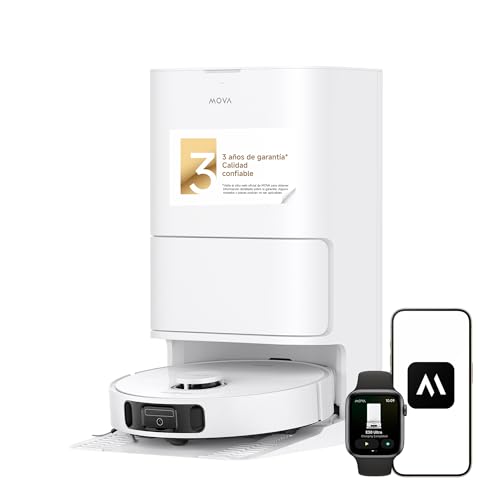
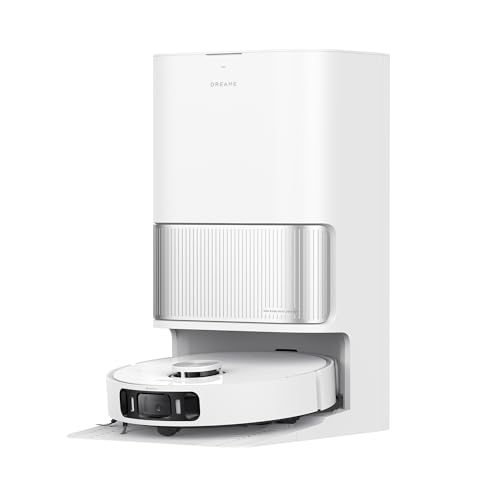
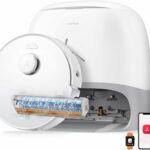
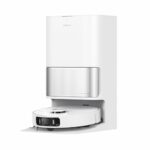
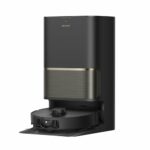
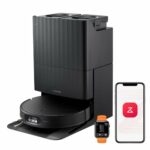
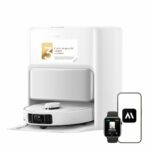
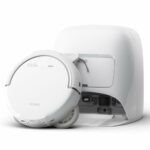
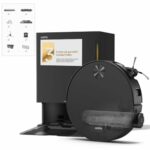
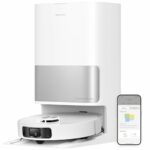
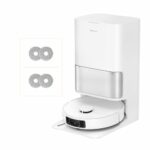
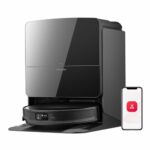
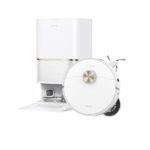
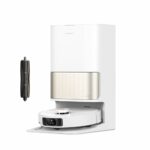
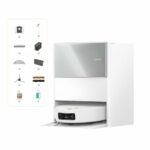
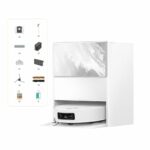
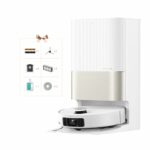
The Mova E30 Ultra and Dreame L40 Ultra AE represent two distinct approaches to automated home cleaning, despite sharing the same manufacturer lineage. The E30 Ultra arrived in 2024 as Mova's answer to accessible premium cleaning, whilst the L40 Ultra AE launched in 2025 with a clear focus on cutting-edge technology and enhanced performance. Both feature multifunctional bases capable of washing and drying mops, making them suitable for homes requiring thorough floor maintenance beyond basic vacuuming.
These models target users seeking comprehensive automation. The shared base dimensions and battery capacity suggest similar footprints in your home, yet the internal specifications reveal meaningful differences in cleaning power and intelligent features. Understanding where these robots diverge helps identify which suits different household needs.
Power and Suction
The suction disparity between these robots is substantial. The Mova E30 Ultra delivers 7,000 Pa, which handles everyday dust and debris on hard floors and low-pile carpets without issue. The Dreame L40 Ultra AE, however, operates at 19,000 Pa—nearly triple the power. This difference becomes evident when tackling embedded dirt in carpet fibres or picking up heavier particles like pet litter.
Brush technology also separates these models. The E30 Ultra uses a simple brush design, functional but prone to hair entanglement over time. The L40 Ultra AE incorporates TriCut 3.0, combining bristles with integrated blades that actively cut through tangled hair during operation. For households with long-haired residents or pets, this feature reduces maintenance frequency considerably.
Another practical distinction: the L40 Ultra AE lifts its main brush during mopping. This prevents cross-contamination between vacuuming and wet cleaning, keeping carpets dry and ensuring the mop does the floor work without dragging dust around. The E30 Ultra lacks this capability, meaning the brush remains in contact with surfaces throughout mopping cycles.
Neither model offers lateral brush extension or elevation, and both manage 20 mm obstacle climbing equally well.
Mopping Performance
Both robots employ dual rotating mops, but execution differs meaningfully. The Dreame L40 Ultra AE extends its mops outward to reach edges and skirting boards more effectively, incorporating movement that pushes the mop closer to walls. The E30 Ultra keeps mops at a fixed position, leaving a small gap along perimeters that requires manual attention.
Mop elevation matches at 10.5 mm for both, sufficient to protect carpets and rugs during mixed-floor navigation. Neither robot automatically detaches mops at the base when switching to vacuum-only mode, so you'll need to remove them manually if planning a dry clean.
The L40 Ultra AE introduces dirt detection sensors for both mops and floors. When the system identifies stubborn marks or heavily soiled mops, it adjusts cleaning intensity or triggers additional washing cycles at the base. This adaptive approach ensures consistent results without user intervention. The E30 Ultra follows preset routines regardless of actual floor conditions.
Base Functionality
Base specifications reveal where the 2025 model justifies its premium positioning. Whilst both stations auto-empty dust, wash mops, and dry them afterwards, the methods differ substantially. The E30 Ultra washes mops with cold water and dries them using ambient-temperature air. The L40 Ultra AE heats water for mop washing, which breaks down grease and grime more effectively, then dries mops with hot air to accelerate the process and inhibit bacterial growth.
The L40 Ultra AE includes second-generation tray self-cleaning, automatically maintaining the washing area to prevent odour buildup. The E30 Ultra requires manual tray cleaning periodically. Additionally, the newer model features a dedicated detergent tank that dispenses cleaning solution during mop washing cycles, enhancing hygiene and cleaning performance. The E30 Ultra relies solely on water.
Both bases share identical reservoir capacities: 3.2-litre dust bags, 4.5-litre clean water, and 4-litre dirty water tanks. These volumes suit medium to large homes comfortably. The L40 Ultra AE offers an optional plumbing connection kit (purchased separately) for continuous water supply, though this accessory merely adds convenience rather than transforming core functionality.
Navigation and Intelligence
Navigation hardware appears similar at first glance—both use 3D LiDAR turrets and frontal laser sensors for obstacle detection. Both recognise pets and navigate around common household items. The critical difference lies in the AI camera present exclusively in the Dreame L40 Ultra AE.
This camera enables the L40 Ultra AE to identify up to 120 distinct object types, allowing nuanced responses to different obstacles. The camera also provides remote access, letting you check on your home through the robot whilst away. LED night vision ensures functionality in dim conditions. The E30 Ultra navigates competently but lacks visual intelligence and remote viewing capabilities.
Both models incorporate CleanGenius AI for intelligent cleaning routines, though the L40 Ultra AE leverages its camera data to refine these decisions further. Neither detects curtains specifically or employs spot stain recognition beyond the L40 Ultra AE's general dirt detection.
Battery and Autonomy
Identical 5,200 mAh batteries power both robots. Specific runtime figures aren't provided, but the shared capacity suggests comparable operating durations under similar conditions. The L40 Ultra AE's higher suction and additional sensors may draw slightly more power during intensive cleaning, though modern battery management typically compensates for such differences.
Both handle 20 mm obstacles identically, useful for transitioning between rooms with slight level changes or crossing thick rug edges.
Smart Features
Neither robot includes a robotic arm or proprietary voice assistant. Both integrate with external voice ecosystems like Alexa and Google Home, allowing voice commands through existing smart home setups. The L40 Ultra AE's camera access adds a surveillance dimension absent in the E30 Ultra, potentially valuable for monitoring pets or deliveries remotely.
Dimensions and Physical Design
Both robots measure 350 mm in diameter and stand 97 mm tall—dimensions that fit beneath most furniture whilst maintaining stability. Their bases occupy identical floor space at 340 mm wide, 590.5 mm tall, and 456.7 mm deep. Neither offers a size advantage for tight spaces.
The practical difference emerges in onboard storage. The L40 Ultra AE carries an 80 ml water tank onboard, allowing it to dampen mops between base visits during large mopping jobs. The E30 Ultra lacks this tank, relying entirely on base refills. The L40 Ultra AE also provides a larger dust container at 395 ml compared to 300 ml, reducing mid-clean interruptions in dusty environments.
Real-World Usage Scenarios
The Mova E30 Ultra suits homes prioritising automated maintenance without demanding absolute peak performance. Its 7,000 Pa suction handles daily dust on hard floors and manages light carpet cleaning adequately. The multifunctional base automates most maintenance tasks, though you'll need to clean the washing tray manually and accept cold-water mop cleaning.
For pet owners, the simple brush design requires more frequent hair removal compared to the TriCut system. The lack of edge mopping means skirting boards need occasional manual attention. Homes with primarily hard flooring and moderate traffic benefit most from this model.
The Dreame L40 Ultra AE addresses more demanding environments. The 19,000 Pa suction tackles embedded pet hair in carpets effectively, whilst TriCut 3.0 minimises brush maintenance. Hot water mop washing and hot air drying deliver superior hygiene, particularly valuable in homes with young children or allergy concerns. Edge mopping extension reduces manual touch-ups significantly.
The AI camera and dirt detection systems adapt cleaning strategies automatically, useful in multi-surface homes where conditions vary between rooms. The larger dust container and onboard water tank extend operational range, beneficial for properties exceeding 150 square metres. Remote camera access adds peace of mind when away from home.
Conclusion: Which to Choose?
Choose the Mova E30 Ultra if: you want comprehensive automation at a more accessible price point, your home features mostly hard floors with occasional low-pile rugs, you don't mind periodic manual tray cleaning, and you're comfortable with cold-water mop maintenance. This model delivers solid everyday performance without the technological bells and whistles.
Choose the Dreame L40 Ultra AE if: you need maximum suction for deep carpet cleaning, you live with pets requiring minimal brush maintenance, you value superior mop hygiene through hot water washing and drying, edge cleaning matters for your home's finish, you want adaptive cleaning that responds to actual dirt levels, or you appreciate remote home monitoring through the camera. The 2025 improvements justify the premium for demanding households seeking minimal intervention.
For smaller flats under 80 square metres with hard flooring, the E30 Ultra handles requirements competently. Larger homes, especially those with mixed flooring and pets, benefit substantially from the L40 Ultra AE's enhanced capabilities and reduced maintenance demands.