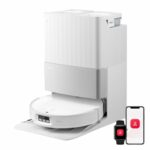
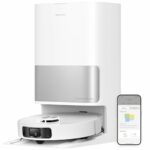
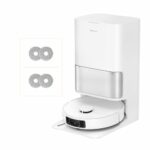
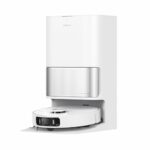
✨ VS Analyses · VacuumSpain comparison technology. Explanation created with AI from verified technical data.
Introduction
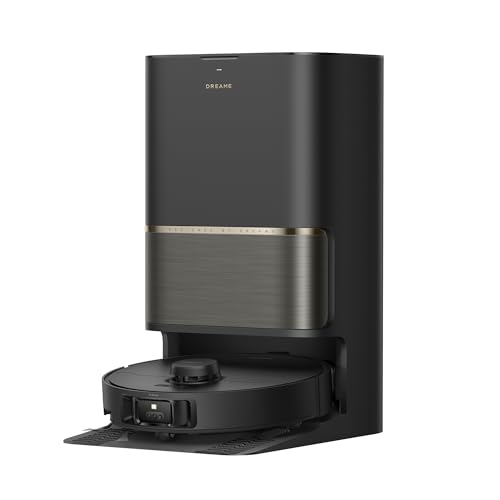
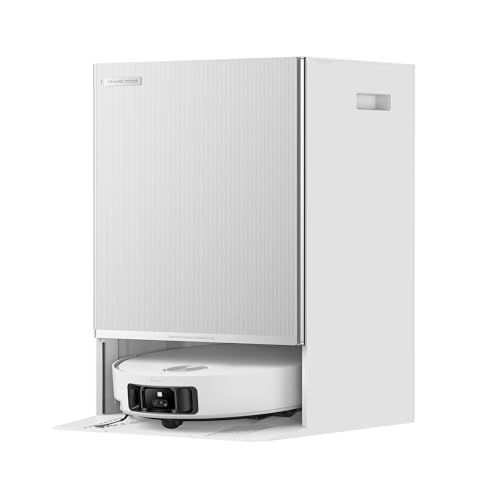
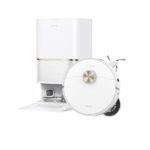
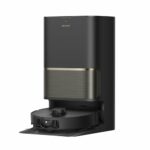
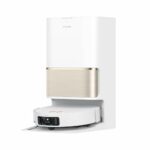
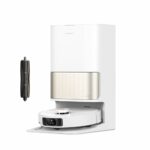
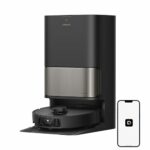
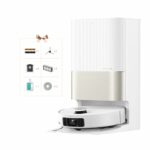
The Dreame L50s Pro Ultra and the Dreame Matrix10 Ultra represent two consecutive generations of premium cleaning technology from Dreame. The L50s Pro Ultra arrives in 2026 as the newer iteration, whilst the Matrix10 Ultra launched in 2025 and has already established itself as a robust option. Both deliver 30,000 Pa suction power and share Dreame's signature dual rotating mop system with hot water washing capabilities in their multifunctional bases.
These models target users seeking comprehensive automated cleaning without compromise. Large homes with mixed flooring, pet owners dealing with hair accumulation, and households prioritising minimal manual intervention will find both options compelling. The differences lie primarily in navigation technology, battery capacity, heating features, and base functionality rather than fundamental cleaning approach.
Power and Suction
Both models deliver identical 30,000 Pa suction strength, placing them firmly in premium territory for tackling embedded dirt, fine dust, and pet hair. The real advantage comes from Dreame's dual HyperStream brush system, present in both robots. This design features two brushes anchored at one end, creating a configuration that actively prevents hair tangles—particularly valuable for homes with long-haired pets or family members.
The side brush implementation matches across both: extensible for reaching into corners, elevating during mopping to avoid spreading debris, and incorporating anti-tangle technology. In practice, this means thorough edge cleaning without the frustration of manually cutting away wrapped hair every few days.
Where these models differ isn't in raw power but in battery reserves. The Matrix10 Ultra's 6,400 mAh capacity provides 260 minutes of runtime, whilst the L50s Pro Ultra's 5,200 mAh battery doesn't specify autonomy figures. For expansive properties exceeding 200 square metres, this difference could determine whether the robot completes a full clean in one session or requires a mid-clean recharge.
Mopping Performance
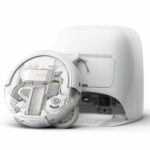
Dual rotating mopas characterise both robots, extending outward with Roboswing movement to reach skirting boards and navigate under furniture lips. Both lift their mopas 10.5mm when encountering carpets or rugs, sufficient for most domestic pile heights. The systems detect dirt on both the mopas themselves and the floor surface, triggering additional passes when needed.
The critical distinction emerges in floor mopping temperature. The Matrix10 Ultra heats water to 55°C before applying it to floors, helping dissolve greasy residues and sticky marks more effectively than cold water. The L50s Pro Ultra relies on cold water for this function. For kitchens prone to cooking splashes or homes with young children creating frequent spills, heated mopping delivers noticeably superior results.
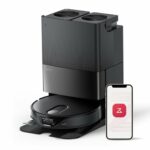
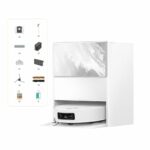
Both bases wash mopas with hot water and dry them using heated air, preventing bacterial growth and musty odours. The Matrix10 Ultra takes base functionality further with automatic mopa changing—three pairs stored in the base allow the robot to swap to fresh mopas during extended cleaning sessions. This means genuinely clean mopas throughout a whole-house clean rather than progressively dirtier fabric spreading grime around.
The Matrix10 Ultra's triple detergent tank system allows different cleaning solutions for varied floor types or cleaning intensities, dispensed during mopa washing. The L50s Pro Ultra includes a single detergent reservoir. Both support automatic mopa removal at the base when you want vacuuming only.
Navigation System
Navigation technology represents one of the most visible differences. The L50s Pro Ultra employs a traditional 3D LiDAR turret that protrudes from the top surface, whilst the Matrix10 Ultra features retractable LiDAR that sits flush when not actively mapping. The retractable design reduces overall height to 89mm compared to 103.8mm on the L50s Pro Ultra—a 14.8mm advantage that translates to accessing beneath more furniture pieces without getting stuck.
Both incorporate dual AI cameras for visual recognition and 3D laser sensors at the front for close-range obstacle detection. LED lighting enables navigation in darkness. The Matrix10 Ultra's AI Sage 15.0 Octa-core processor handles recognition of 240 different obstacle types, twenty more than the L50s Pro Ultra's 220-object database. In real-world terms, this marginally improves the robot's ability to identify and appropriately respond to unusual household items.
Remote camera access works on both models, allowing you to check on pets or verify the robot's progress whilst away. Pet recognition and curtain detection prevent the robots from becoming entangled or disturbing resting animals. The CleanGenius AI system analyses room layouts and dirt patterns to optimise cleaning routes automatically.
Battery and Autonomy
The Matrix10 Ultra's 6,400 mAh battery supporting 260 minutes of operation provides substantial coverage—typically sufficient for properties up to 300 square metres in a single run. The L50s Pro Ultra's 5,200 mAh capacity represents approximately 81% of that reserve, though specific runtime isn't detailed. For apartments or homes under 150 square metres, this difference becomes academic; both will complete cleaning comfortably. Larger properties may see the Matrix10 Ultra finishing without interruption whilst the L50s Pro Ultra requires a recharge break.
Battery longevity matters less when the robot operates on a schedule, returning to base between sessions. It becomes critical when you want comprehensive whole-house cleaning on demand or manage multi-storey properties where the robot can't easily return mid-clean.
Intelligent Functions
Both robots navigate simple obstacles up to 20mm height—typical door thresholds and carpet edges. Neither incorporates a robotic arm for moving objects. Each features Dreame's proprietary voice assistant alongside compatibility with Alexa and Google Home for integration into existing smart home ecosystems.
The dirt detection algorithms trigger automatic re-cleaning of particularly soiled areas, whilst spot recognition identifies concentrated mess requiring focused attention. These intelligence features operate identically across both models, drawing on their AI camera systems and processing power to make autonomous decisions about cleaning intensity and pattern.
Multifunctional Cleaning Base
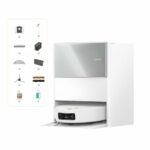
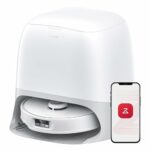
Both bases auto-empty the robot's dust container into 3.2L capacity bags, wash mopas with hot water, and dry them using heated air. The third-generation self-cleaning bandeja system in the L50s Pro Ultra contrasts with the 3.5-generation version in the Matrix10 Ultra—incremental improvements in internal component cleaning to reduce manual maintenance.
Neither includes UV disinfection or integrated plumbing connection, though both offer optional kits for permanent water supply and drainage—purchased separately and not a core differentiator. The Matrix10 Ultra's larger 5.5L clean water tank versus 4.5L in the L50s Pro Ultra extends the period between manual refills, particularly relevant for homes exceeding 200 square metres where mopping consumes substantial water.
Dirty water capacity matches at 4L. The automatic mopa changing mechanism exclusive to the Matrix10 Ultra represents the most significant base distinction, enabling truly autonomous extended cleaning without mopa degradation.
Dimensions
Both robots share a 350mm diameter, standard for navigating between furniture legs and through doorways. The height difference proves more consequential: at 89mm, the Matrix10 Ultra slips beneath sofas, beds, and cabinets that the 103.8mm L50s Pro Ultra cannot access. This 14.8mm reduction stems from the retractable LiDAR design and represents genuine functional advantage in homes with low-clearance furniture.
Base dimensions show minimal variation—the Matrix10 Ultra measures 416mm wide versus 340mm for the L50s Pro Ultra, both standing 590mm tall and 457mm deep. The Matrix10 Ultra's wider footprint accommodates the automatic mopa changing mechanism. Consider available floor space near power outlets when choosing installation location.
Real-World Usage Experience
For properties under 150 square metres with standard furniture clearances, either model delivers comprehensive automated cleaning. The L50s Pro Ultra's cold water mopping handles routine maintenance adequately, though kitchens and high-traffic areas benefit from the Matrix10 Ultra's heated approach.
Pet owners gain equal advantage from the dual HyperStream brushes in both robots—hair management proves excellent regardless of model. The Matrix10 Ultra's slightly larger 310ml dust container versus 250ml reduces how frequently the robot returns to empty during heavy shedding periods, though both auto-empty into 3.2L base bags anyway.
Homes with abundant low-clearance furniture—platform beds, modern sofas, certain kitchen units—see measurably better coverage from the Matrix10 Ultra's reduced height. Those 14.8mm unlock access to spaces the L50s Pro Ultra simply cannot reach. The retractable LiDAR design delivers functional benefit beyond mere specification.
The Matrix10 Ultra's automatic mopa changing suits larger homes or users wanting maximum autonomy. Three mopa pairs mean the robot maintains cleaning quality throughout a 200+ square metre property without human intervention. The L50s Pro Ultra requires you to rinse or replace mopas manually for comparable performance across extensive areas, though its base still washes and dries the single pair automatically.
Conclusion: Which to Choose?
Choose the Dreame L50s Pro Ultra if you have a compact to medium-sized home under 150 square metres, furniture with generous clearance, and you're comfortable with cold water mopping for routine maintenance. The specification delivers thorough cleaning at what will likely be a lower price point than the Matrix10 Ultra, with identical suction power and core mopping functionality. Manual mopa management between deep cleans won't burden you if your property size doesn't demand marathon cleaning sessions.
Choose the Dreame Matrix10 Ultra if your home exceeds 200 square metres, you have low-profile furniture requiring a sub-90mm robot, or you want genuinely hands-off operation including automatic mopa changing. The heated floor mopping tackles kitchen grime and sticky residues more effectively, whilst the larger battery ensures single-session completion of extensive properties. The triple detergent system and enhanced AI recognition represent incremental advantages, but the height reduction and mopa automation deliver tangible daily benefits. This is the better robot aspirador for 2025 if maximum autonomy and access matter more than initial cost.