Introduction
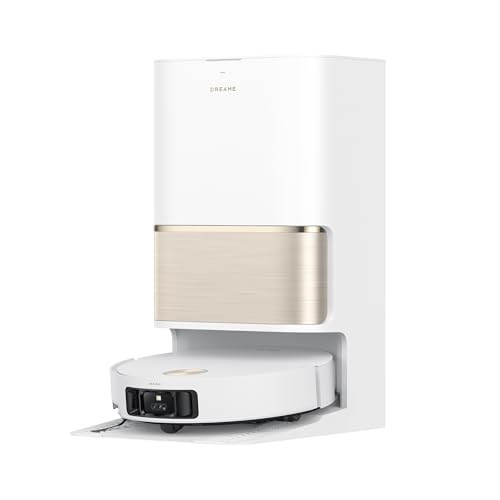
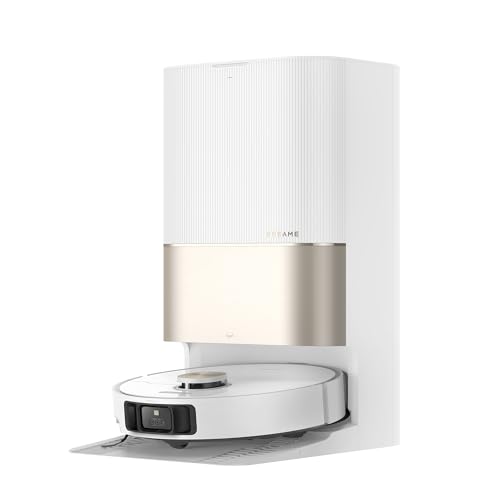
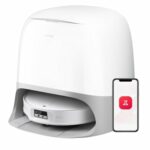
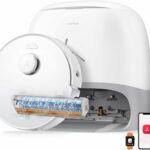
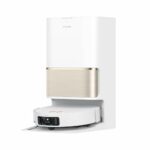
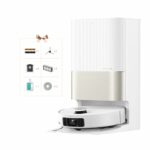
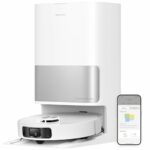
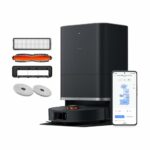
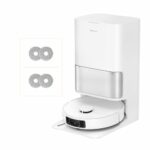
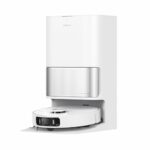
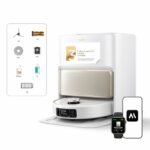
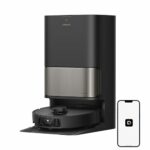
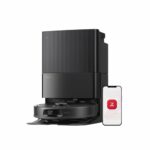
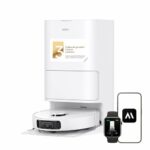
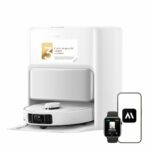
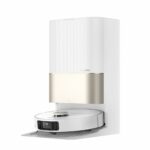
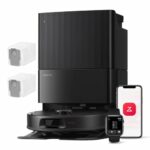
The Dreame L50 Pro Ultra and Dreame X40 Ultra represent two generations of premium robotic vacuum cleaners from the same manufacturer. The L50 Pro Ultra arrives in 2025 as the newer model, whilst the X40 Ultra launched in 2024. Both belong to the Ultra range, which means they feature comprehensive multifunctional bases that handle automatic emptying, mop washing with hot water, and hot air drying.
These are high-end models designed for users who want minimal maintenance and maximum automation. The presence of dual rotating mops, extendable side brushes, and advanced AI navigation positions them as serious contenders for the title of best robot aspirador 2025. The question becomes: does the newer L50 Pro Ultra justify choosing it over the established X40 Ultra, or does the 2024 model still hold its ground?
Key Differences at a Glance
- Suction power: 19,500 Pa in the L50 Pro Ultra versus 12,000 Pa in the X40 Ultra
- Main brush system: dual HyperStream brush in the newer model, single brush in the X40 Ultra
- Navigation: retractable LiDAR on the L50 Pro Ultra, traditional turret on the X40 Ultra
- Object recognition: 180 obstacles identified by the L50 Pro Ultra, 120 by the X40 Ultra
- Processor: AI Sage 13.0 Octa-core in the 2025 model, AI Sage 11.0 Quad-core in the 2024 version
- Robot height: 89 mm for the L50 Pro Ultra, 97 mm for the X40 Ultra
- Dust bin capacity: 395 ml versus 300 ml
- Base cleaning: third-generation system in the L50 Pro Ultra, second-generation in the X40 Ultra
- Voice assistant: integrated in the L50 Pro Ultra, absent in the X40 Ultra
- Obstacle climbing: single steps up to 22 mm in the L50 Pro Ultra, standard 22 mm in the X40 Ultra
Power and Suction
The most striking difference in this robot aspirador Dreame comparison lies in raw suction power. The L50 Pro Ultra delivers 19,500 Pa, a substantial increase over the X40 Ultra's 12,000 Pa. In practical terms, this means the newer model can extract more embedded dirt from carpets and handle larger debris with greater ease.
The brushing system also differs significantly. The L50 Pro Ultra features a dual HyperStream brush configuration, where two brushes anchored at one end work together to prevent hair tangles. The X40 Ultra uses a single anti-tangle brush. Both approaches aim to reduce maintenance, but the dual system in the L50 Pro Ultra should prove more effective for homes with long-haired residents or pets.
Both models include extendable side brushes that reach into corners more effectively, and both can lift these brushes when mopping to avoid dragging debris across wet floors. The side brushes also feature anti-tangle technology and elevate during mopping. The main brush lifts as well during wet cleaning on both robots.
Mopping Performance
The mopping specifications are remarkably similar between these two robot aspirador models. Both use dual rotating mops that extend to clean edges more thoroughly, supported by the Roboswing system that allows the robot to manoeuvre the mops slightly under furniture overhangs.
Mop elevation reaches 10.5 mm on both units, sufficient to clear most low-pile carpets without leaving damp marks. Neither robot uses hot water for floor mopping—both rely on cold water in the robot's tank—but this is standard across most robotic cleaners.
Where the multifunctional base comes into play, both models wash mops with hot water and dry them using hot air. This prevents odours and bacterial growth between cleaning sessions. The L50 Pro Ultra introduces a third-generation base cleaning system for the washing tray, whilst the X40 Ultra uses a second-generation approach. This suggests improved hygiene and reduced manual maintenance on the newer model.
Both robots detect dirty mops and dirty floors, automatically adjusting their cleaning patterns. They can also remove their mops at the base when you only want vacuuming, which is useful for carpet-only cleaning runs.
Navigation System
Navigation technology shows clear evolution between these generations. The L50 Pro Ultra employs retractable LiDAR, which lowers when not needed, reducing the robot's profile. The X40 Ultra uses a traditional LiDAR turret. This design change contributes to the height difference between the models.
Both robots feature dual AI cameras and frontal 3D laser sensors for obstacle avoidance. They recognise pets, detect curtains to avoid entanglement, and provide remote camera access through the app. LED lighting enables night vision for navigation in dark rooms.
The processing power behind the navigation differs substantially. The L50 Pro Ultra runs AI Sage 13.0 with an octa-core processor, compared to the X40 Ultra's AI Sage 11.0 quad-core chip. This translates to recognition of 180 different obstacles on the newer model versus 120 on the 2024 version. In practical use, this means fewer interruptions and better decision-making when encountering unfamiliar objects.
Both models include CleanGenius AI for intelligent cleaning pattern optimisation and spot recognition.
Battery and Autonomy
Battery capacity stands at 6,400 mAh for both robots. Autonomy reaches 200 minutes on the L50 Pro Ultra and 194 minutes on the X40 Ultra—a negligible difference that likely falls within testing variance rather than representing a meaningful upgrade.
These runtime figures should comfortably handle most homes in a single session, though the actual coverage depends on floor type, suction settings, and whether you're mopping simultaneously.
Smart Features
The L50 Pro Ultra can climb single steps and manage obstacles up to 22 mm high. The X40 Ultra handles 22 mm obstacles as well, though without the specific single-step designation. This capability matters if you have threshold strips between rooms or slightly uneven flooring transitions.
A notable addition in the L50 Pro Ultra is an integrated voice assistant, allowing direct communication with the robot without relying on external systems. Both models support Alexa and Google Home integration, but having an onboard assistant adds convenience for quick commands.
Multifunctional Base
The base specifications are largely identical. Both feature 3.2-litre dust bags, 4.5-litre clean water tanks, and 4-litre dirty water tanks. These capacities support several cleaning sessions before requiring attention.
Hot water mop washing and hot air drying appear on both models, as does the detergent dispenser for automated cleaning solution addition. Neither includes UV disinfection or integrated plumbing connections, though both offer optional kits for connecting to water pipes—something to purchase separately if you want truly hands-free operation.
The third-generation base tray cleaning on the L50 Pro Ultra represents the main advancement here, suggesting Dreame has refined the self-maintenance process to reduce the frequency of manual intervention.
Dimensions
Robot diameter measures 350 mm for both models, but height differs meaningfully. The L50 Pro Ultra stands 89 mm tall, whilst the X40 Ultra reaches 97 mm. Those 8 millimetres matter when navigating under furniture. The lower profile of the 2025 model expands the cleanable area in homes with low-clearance sofas, beds, or cabinets.
The dust bin inside the robot also grew from 300 ml in the X40 Ultra to 395 ml in the L50 Pro Ultra. This allows the robot to work longer before returning to empty, particularly useful during intensive cleaning sessions.
Base dimensions remain identical at 340 mm wide, 590.5 mm tall, and 456.7 mm deep. You'll need to allocate the same floor space regardless of which model you choose.
Real-World Usage Experience
For homes with pets, the L50 Pro Ultra's dual HyperStream brush and higher suction power provide a tangible advantage. Pet hair management becomes less of a maintenance burden, and the increased suction better handles litter scatter or food debris.
The lower profile of the L50 Pro Ultra proves beneficial in any home, but especially where furniture sits close to the floor. Being able to clean under more pieces means better overall coverage without manual intervention.
Both robots handle large homes effectively given their battery capacity and autonomy. The similar base tank sizes mean maintenance frequency remains comparable between models. Hot water mop washing and hot air drying on both units ensure mopping performance stays consistent over time—a critical factor that separates these from budget models.
The improved processing power and obstacle recognition in the L50 Pro Ultra should result in smoother cleaning runs with fewer calls for help. This matters particularly in cluttered homes or spaces with children's toys, cables, or other floor-level obstacles.
Conclusion: Which Should You Choose?
Choose the Dreame L50 Pro Ultra if: you want the latest technology and maximum suction power. The 19,500 Pa makes a real difference on carpets and for pet owners. The lower 89 mm height opens up more cleaning area under furniture, and the dual brush system reduces hair maintenance. The third-generation base cleaning and integrated voice assistant add convenience, whilst the more powerful processor means better obstacle handling. This is the better robot aspirador for demanding homes.
Choose the Dreame X40 Ultra if: you're looking for excellent performance at potentially better value, assuming pricing reflects its 2024 launch. The 12,000 Pa suction still ranks as strong for a robot aspirador, and the mopping system matches the newer model. You get the same battery capacity, hot water mop washing, and hot air drying. If your furniture clearance exceeds 97 mm and you don't need maximum suction, this remains a highly capable choice that shouldn't disappoint.
For homes with multiple pets, deep-pile carpets, or low furniture, the L50 Pro Ultra justifies its position as the newer flagship. For most other situations, both models deliver comprehensive automated cleaning that puts them among the best robot aspirador 2025 options available.