Introduction
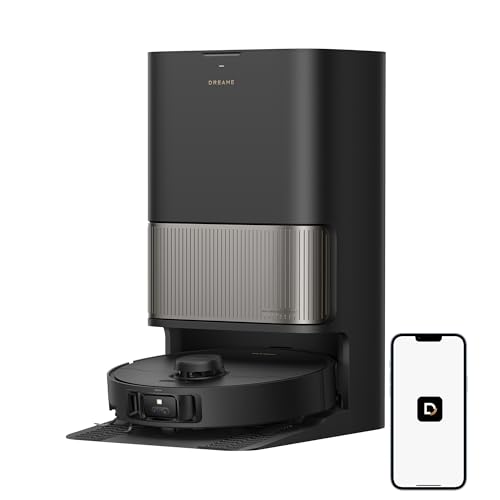
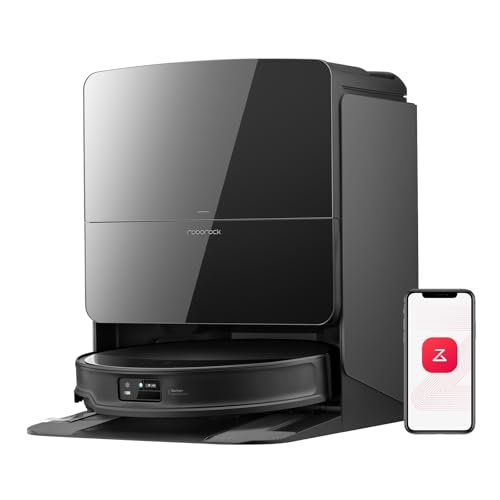
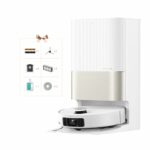
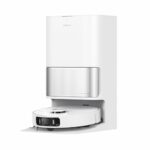
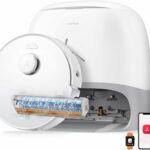
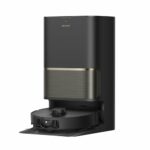
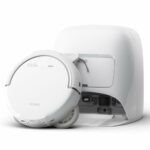
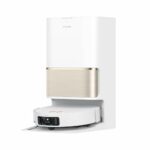
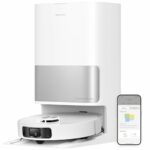
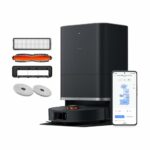
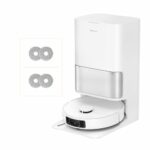
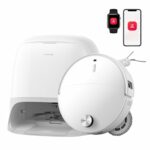
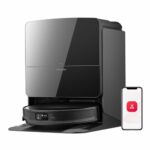
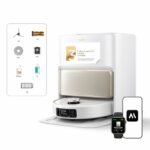
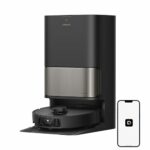
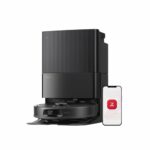
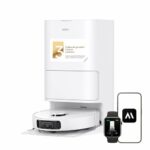
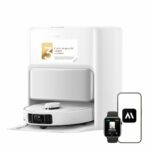
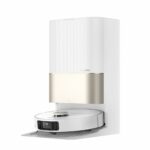
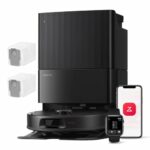
The Dreame L40s Pro Ultra and Roborock Saros 10R represent two of the most advanced cleaning solutions launched in 2025. Both manufacturers have equipped these models with multifunctional bases that handle everything from self-emptying to automatic mop washing and drying, positioning them firmly in the premium segment of the market.
These aren't just robot vacuums that mop as an afterthought. With dual rotating mops, hot water washing systems, and heated air drying, they're designed for households that expect genuinely clean floors without constant manual intervention. The question becomes which one delivers better value depending on your specific needs.
Key Differences at a Glance
- The Dreame L40s Pro Ultra delivers 19,000 Pa suction versus 18,500 Pa on the Roborock Saros 10R
- Battery capacity differs significantly: 5,200 mAh in the Dreame versus 6,400 mAh in the Roborock
- Runtime favours the Dreame with 220 minutes compared to 180 minutes for the Roborock
- The Roborock stands just 79.8 mm tall, whilst the Dreame measures 103.8 mm
- Mop elevation reaches 12-22 mm on the Roborock versus 10.5 mm on the Dreame
- The Roborock mops with warm water; the Dreame uses cold water for floor cleaning
- The Dreame recognises 180 different obstacles compared to 108 on the Roborock
- Only the Dreame detects curtains specifically
- The Dreame includes a third-generation self-cleaning tray versus second-generation on the Roborock
- Dreame offers an optional plumbing connection kit (sold separately)
- Base tank capacities vary: the Dreame holds more clean water (4.5L vs 4L) and dirty water (4L vs 3L)
Suction Power and Brushing System
The Dreame L40s Pro Ultra edges ahead with 19,000 Pa of suction power, giving it a slight advantage over the Roborock Saros 10R's 18,500 Pa. In practice, both figures sit at the upper end of what's available in 2025, and the 500 Pa difference won't dramatically change everyday cleaning performance. What matters more is how each handles hair and debris.
The Dreame uses its Double HyperStream anti-tangle brush system, whilst the Roborock employs the DuoDivide design. Both approaches tackle the common problem of hair wrapping around rollers, though they do it differently. The HyperStream uses dual brushes anchored at one end, whilst DuoDivide pushes hair towards a central gap for direct suction. Either way, you're looking at significantly reduced maintenance compared to traditional bristle brushes.
Both models lift their main brushes when mopping and feature extendable side brushes that reach into corners. The side brushes also elevate during mopping and incorporate anti-tangle technology. This means neither model drags dirty brushes across your freshly mopped floors or leaves corners untouched.
Mopping Performance
Here's where things get interesting. Both robots use dual rotating mops that extend to reach edges, but the Roborock Saros 10R lifts its mops between 12-22 mm, compared to 10.5 mm on the Dreame L40s Pro Ultra. That extra height helps when transitioning onto thick rugs or carpets, reducing the risk of dampening fabric.
The Dreame includes its RoboSwing system, which adds a swaying motion to push the mop slightly under furniture edges and skirting boards. The Roborock achieves edge cleaning through its extendable mop design alone.
A notable difference appears in floor mopping temperature. The Roborock Saros 10R uses warm water when cleaning your floors, whilst the Dreame L40s Pro Ultra sticks with cold water. Both models wash their mops with hot water back at the base, and both dry the mops with heated air to prevent odours and bacterial growth. The warm water mopping on the Roborock can help shift greasy marks more effectively.
Both detect dirt on the mops themselves and on the floor, triggering additional cleaning passes when needed. They'll also automatically remove their mops at the base when you want to vacuum only, avoiding unnecessary dampness on carpeted areas.
Navigation System
The Dreame L40s Pro Ultra features a third-generation LiDAR turret combined with dual AI cameras and frontal 3D laser sensors. The Roborock Saros 10R uses its StarSight 2.0 system with similar dual camera and 3D sensor setup. Both include LED lighting for night vision, allowing them to navigate and avoid obstacles even in darkness.
Where they diverge is in object recognition breadth. The Dreame can identify 180 different obstacles, nearly double the 108 recognised by the Roborock. This translates to more nuanced navigation around complex home environments. The Dreame also specifically detects curtains, which the Roborock doesn't mention. This matters if you have floor-length drapes that could interfere with cleaning.
Both offer remote camera access through their respective apps, turning your robot into a mobile home monitor when needed. Pet owners will appreciate that both models recognise animals and adjust their behaviour accordingly.
The Roborock runs on its RR Mason 11.0 algorithm with SmartPlan 2.0 intelligence, whilst the Dreame uses CleanGenius AI. Both systems learn your home layout and adapt cleaning strategies based on room type and dirt levels.
Battery Life and Coverage
This is where the numbers tell an interesting story. The Roborock Saros 10R packs a larger 6,400 mAh battery compared to the Dreame's 5,200 mAh. Yet the Dreame achieves 220 minutes of runtime versus 180 minutes for the Roborock. This suggests the Dreame operates more efficiently, extracting more cleaning time from less battery capacity.
For most homes, either runtime proves more than adequate. Even larger properties benefit from both robots' ability to return to base, recharge, and resume where they left off. The longer runtime on the Dreame simply means fewer interruptions during a complete cleaning cycle.
Smart Features
Both the Dreame L40s Pro Ultra and Roborock Saros 10R can climb obstacles up to 20 mm high, handling door thresholds and minor floor transitions without getting stuck. Neither includes a robotic arm for additional cleaning tasks.
Each model features its own voice assistant built into the robot itself, alongside compatibility with external systems like Alexa and Google Home. This gives you flexibility in how you control and schedule cleaning sessions.
Multifunctional Base Station
Both bases handle the complete cleaning cycle: emptying the robot's dustbin, washing mops with hot water, and drying them with heated air. The Dreame uses a third-generation self-cleaning tray system for the base itself, whilst the Roborock employs a 2.0 version. This means both bases clean their own washing areas to prevent grime buildup.
The Dreame's base holds a larger 3.2-litre dust bag compared to 2.5 litres in the Roborock. For clean water, the Dreame stores 4.5 litres versus 4 litres, and dirty water capacity is 4 litres versus 3 litres. These differences add up to less frequent maintenance on the Dreame, particularly useful for larger homes or if you run cleaning cycles daily.
The Dreame offers an optional plumbing connection kit you can purchase separately, automating water refilling and drainage. The Roborock doesn't currently offer this option. Neither base includes UV disinfection, but both feature detergent dispensers for enhanced cleaning.
Size and Dimensions
The Roborock Saros 10R stands out with its remarkably low 79.8 mm height, making it one of the slimmest premium robots available. The Dreame L40s Pro Ultra measures 103.8 mm tall. That 24 mm difference determines whether the robot can slip under certain sofas, beds, or cabinets. If you have furniture with limited clearance, the Roborock's profile becomes a significant advantage.
Diameter measurements are nearly identical at 350 mm for the Dreame and 353 mm for the Roborock. Both navigate standard doorways and tight spaces without issue.
The base stations differ more noticeably. The Dreame's base measures 340 mm wide, 590.5 mm tall, and 456.7 mm deep. The Roborock base is 381 mm wide, 488 mm tall, and 475 mm deep. The Roborock base sits lower but takes up more floor space width-wise. Consider your available floor area when choosing where to position the base.
Real-World Usage Scenarios
For homes with low-clearance furniture, the Roborock Saros 10R's 79.8 mm height makes it the clear choice. It'll access areas the taller Dreame simply can't reach, reducing the number of spots you need to clean manually.
The Dreame L40s Pro Ultra suits households that want maximum runtime and less frequent base maintenance. Its 220-minute battery life and larger base tanks mean it can handle extensive cleaning sessions with minimal intervention. The option to add plumbing connectivity later adds future-proofing for those who want ultimate convenience.
Pet owners benefit from both models' anti-tangle brush systems and pet recognition. The Dreame's broader obstacle recognition might prove helpful in homes with more varied floor clutter or children's toys scattered about.
The Roborock's warm water mopping provides better results on greasy kitchen floors or stubborn marks, whilst its superior mop lift height protects thicker carpets more effectively. The Dreame's RoboSwing feature helps in homes with lots of furniture edges and skirting boards that need attention.
Conclusion: Which Should You Choose?
Choose the Dreame L40s Pro Ultra if you have standard furniture clearances and want the longest runtime available. Its larger base tanks reduce maintenance frequency, and the third-generation self-cleaning tray represents the latest technology. The optional plumbing kit adds future flexibility, and its superior obstacle recognition helps in cluttered homes. With 19,000 Pa suction and comprehensive AI features, it handles varied cleaning challenges effectively.
Choose the Roborock Saros 10R if you need a robot that fits under low furniture. Its 79.8 mm height opens up cleaning areas other robots miss entirely. The warm water mopping delivers better results on greasy floors, and the higher mop lift protects carpets more thoroughly. Despite its smaller battery, it still provides ample runtime for most homes, and Roborock's reputation for reliability and app quality gives added confidence.
Both represent excellent choices in the premium robot vacuum category. The decision ultimately comes down to whether furniture clearance matters more than extended runtime, and whether you value warm water mopping over broader obstacle recognition. Either way, you're getting a capable cleaning system that handles both vacuuming and mopping with minimal manual intervention.