Introduction
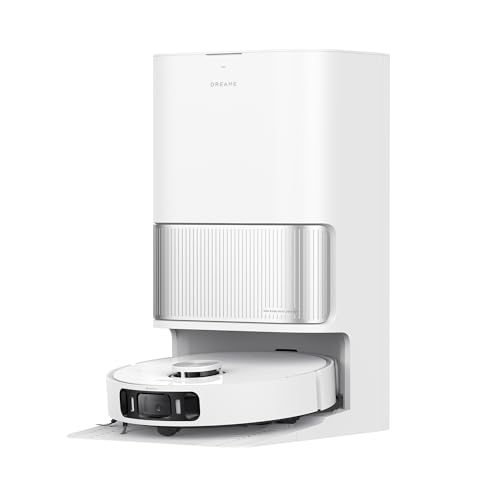
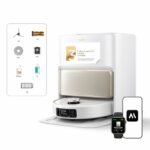
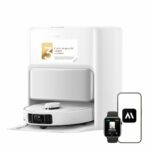
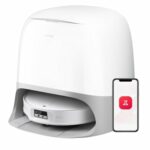
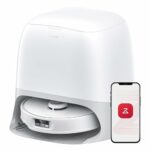
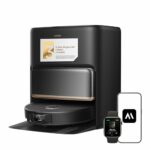
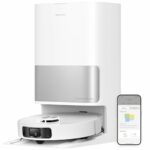
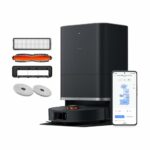
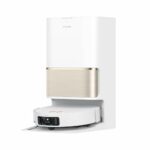
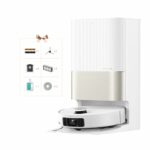
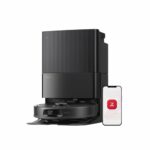
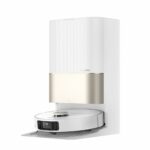
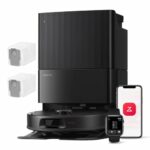
The Dreame L40 Ultra AE and Dreame X50 Ultra Blanca represent the manufacturer's latest offerings for 2025, both positioned as premium robot vacuum cleaners with comprehensive mopping capabilities. These models share the same core philosophy: multifunctional bases that wash and dry mops, dual rotating mops with extension systems, and advanced navigation technology. However, beneath this shared DNA lie meaningful differences that affect daily performance and justify their distinct positioning in the market.
The L40 Ultra AE targets users seeking a solid all-rounder with proven technology, whilst the X50 Ultra Blanca pushes boundaries with enhanced intelligence and refinement. Both suit medium to large homes requiring genuine mopping performance rather than token damp wiping. Understanding which features matter for your specific situation makes the difference between satisfaction and buyer's remorse.
Key Differences at a Glance
- Suction power: 19,000 Pa versus 20,000 Pa
- Battery capacity: 5,200 mAh versus 6,400 mAh, with the X50 offering 180 minutes autonomy
- Main brush: TriCut 3.0 versus Dual HyperStream anti-tangle system
- Side brush: fixed on L40 versus extendable, elevating, and anti-tangle on X50
- Automatic mop removal: absent on L40, present on X50
- Base self-cleaning: second generation versus third generation
- UV disinfection: only available on X50
- Navigation: traditional LiDAR turret versus retractable LiDAR
- Dual AI cameras on X50 versus single camera on L40
- Object recognition: 120 items versus 200 items
- Curtain detection: exclusive to X50
- AI stain recognition: only on X50
- Obstacle climbing: 20 mm versus enhanced stair capability
- Proprietary voice assistant: exclusive to X50
- Robot height: 97 mm versus 89 mm
Suction Power and Cleaning
The X50 Ultra Blanca delivers 20,000 Pa of suction, nudging ahead of the L40's 19,000 Pa. In practical terms, this translates to marginally better performance on deep-pile rugs or ingrained dirt in tile grout. The difference isn't transformative, but households with thick carpets or heavy foot traffic will extract more value from that extra thousand pascals.
Where things diverge more substantially is the brush configuration. The L40 employs Dreame's TriCut 3.0 system, combining bristles with integrated cutting blades to slice through tangled hair. It's effective, though not immune to the occasional manual intervention. The X50 steps up with a Dual HyperStream design—two independently anchored brush sections that actively prevent hair from wrapping around a central axle. For homes with long-haired occupants or multiple pets, this architectural difference reduces maintenance frequency noticeably.
The side brush tells a similar story. The L40's fixed lateral brush handles edges competently but lacks finesse. The X50's side brush extends outward to reach deeper into corners, elevates during mopping to avoid dragging dirty bristles across wet floors, and incorporates anti-tangle features. This trio of enhancements means better corner coverage and less time picking hair off the brush assembly.
Mopping System
Both models deploy dual rotating mops that extend to reach skirting boards, supplemented by Roboswing—a subtle hip-swaying motion that nudges mops slightly under furniture lips and wall edges. Mop elevation reaches 10.5 mm on both, sufficient to clear low-pile rugs without dragging damp fabric across them.
The bases wash mops with hot water and dry them using heated air, essential for preventing bacterial growth and musty odours. Dirt detection on both the mops themselves and the floor surface triggers additional cleaning passes when needed. So far, parity.
The distinction emerges in automatic mop removal. The X50 can detach its mops at the base when you want pure vacuuming mode—useful when tackling workshops, garages, or rooms where you'd rather not attach any mopping hardware. The L40 requires manual removal if you want vacuum-only operation. It's a convenience feature rather than a dealbreaker, but it speaks to the X50's greater automation.
The X50 also benefits from third-generation base tray self-cleaning versus the L40's second-generation system. In practice, this means the X50's base requires less frequent manual rinsing to prevent residue buildup. UV disinfection on the X50 adds a layer of sterilisation absent from the L40, potentially valuable for households concerned about hygiene or those with immunocompromised members.
Navigation System
The L40 uses a traditional LiDAR turret—that familiar raised bump on top of the robot. It maps accurately and navigates reliably, but the protrusion adds 8 mm to the robot's overall height. The X50 employs retractable LiDAR that lowers when not actively scanning, contributing to its slimmer 89 mm profile versus the L40's 97 mm. This matters when squeezing under beds, sofas, or low-clearance furniture.
AI capabilities diverge significantly. The L40 recognises 120 different objects using a single front-facing camera, whilst the X50 doubles up with dual AI cameras and extends recognition to 200 objects. This broader vocabulary helps the X50 identify and avoid more obscure items—children's toys, specific shoe types, unusual cables—that might confuse the L40. The X50 also detects curtains, allowing it to navigate around drapes without entanglement, a scenario the L40 handles less gracefully.
Stain recognition powered by AI appears exclusively on the X50. When it spots concentrated dirt or spills, it adjusts cleaning intensity automatically. The L40 relies on general dirt sensors but lacks this visual intelligence layer. For households with young children or messy eaters, the X50's ability to identify and address localised messes adds tangible value.
Battery and Autonomy
The X50's 6,400 mAh battery outmuscles the L40's 5,200 mAh capacity by a substantial margin, translating to 180 minutes of runtime. Autonomy figures for the L40 aren't specified, but the smaller battery suggests shorter sessions. In real-world terms, the X50 can tackle larger properties or complete intensive cleaning cycles without returning to base mid-job. Homes exceeding 150 square metres benefit from this extended stamina, particularly when combining vacuuming and mopping in a single pass.
Smart Features
Obstacle climbing reveals another split. The L40 manages 20 mm thresholds—adequate for most door sills and standard transitions between rooms. The X50 touts enhanced stair capability, though exact specifications aren't detailed. This suggests improved approach angles or wheel articulation for navigating more complex floor-level changes.
Voice control takes an interesting turn. Both integrate with Alexa and Google Home, but the X50 includes a proprietary voice assistant. This allows direct interaction without relying on external ecosystems, potentially useful in regions where major assistants lack full functionality or for users preferring brand-specific integration.
Multifunction Base
Both bases share identical footprints—340 mm wide, 590.5 mm tall, 456.7 mm deep—and house 3.2-litre dust bags, 4.5-litre clean water tanks, and 4-litre dirty water reservoirs. Detergent dispensers come standard, and optional plumbing connection kits are available for purchase separately, though neither includes this integration out of the box.
The X50's third-generation tray self-cleaning system represents an iterative improvement over the L40's second-generation version, reducing maintenance frequency. UV disinfection on the X50 provides an additional hygiene layer absent from the L40. These refinements don't revolutionise operation but accumulate into a lower-maintenance ownership experience.
Dimensions
The 8 mm height difference—97 mm for the L40 versus 89 mm for the X50—stems from the retractable LiDAR design. This seemingly modest reduction unlocks access beneath furniture where the L40 cannot venture. Measuring your sofa clearance before purchasing proves worthwhile; that extra centimetre can mean the difference between comprehensive under-furniture cleaning and manual intervention with a stick vacuum.
Both robots share a 350 mm diameter, typical for this class. The bases occupy identical floor space, so neither claims an advantage in compact installation.
Real-World Experience
The L40 Ultra AE suits homes up to approximately 120-150 square metres where furniture clearance exceeds 100 mm. Its TriCut brush handles pet hair reasonably well, though expect occasional manual cleaning. The fixed side brush and single camera deliver reliable but not exceptional edge cleaning and object avoidance. It's a competent workhorse that automates most cleaning tasks without demanding cutting-edge performance.
The X50 Ultra Blanca targets larger properties or users prioritising minimal intervention. The extended battery handles sprawling floor plans comfortably, whilst the slimmer profile reaches under more furniture. Dual HyperStream brushes and anti-tangle side brush technology significantly reduce hair-related maintenance—critical for multi-pet households or those with long hair. Enhanced AI recognition and stain detection mean fewer missed obstacles and better handling of concentrated dirt. Automatic mop removal and superior base self-cleaning further reduce hands-on involvement.
For homes with varied flooring—hard surfaces, rugs, and carpets—both models adapt well thanks to mop elevation and adjustable suction. The X50's slightly higher power and smarter dirt recognition give it an edge on challenging surfaces. Neither struggles with standard hard floors or low-pile carpets.
Conclusion: Which to Choose?
Choose the Dreame L40 Ultra AE if: your home measures under 150 square metres, furniture clearance exceeds 100 mm, and you want proven multifunctional performance without paying for the latest refinements. It handles pet hair adequately, mops effectively with hot water washing and drying, and integrates with major voice assistants. The price difference versus the X50 matters more to you than incremental improvements in autonomy and AI intelligence.
Choose the Dreame X50 Ultra Blanca if: you have a larger property requiring extended battery life, low-clearance furniture demands a slimmer profile, or you keep multiple pets and want minimal brush maintenance. The enhanced AI recognition, automatic mop removal, and third-generation base self-cleaning reduce intervention frequency noticeably. UV disinfection adds value for hygiene-conscious households. You're willing to invest more for cutting-edge features and lower long-term maintenance demands.
Ultimately, this comparison reveals two robots sharing core competencies but targeting slightly different priorities. The L40 delivers excellent value and proven performance. The X50 refines the formula with smarter navigation, better hair management, and enhanced automation. Matching these capabilities to your specific home layout, cleaning challenges, and budget determines which Dreame robot aspirador proves the better fit for 2025.