Introduction
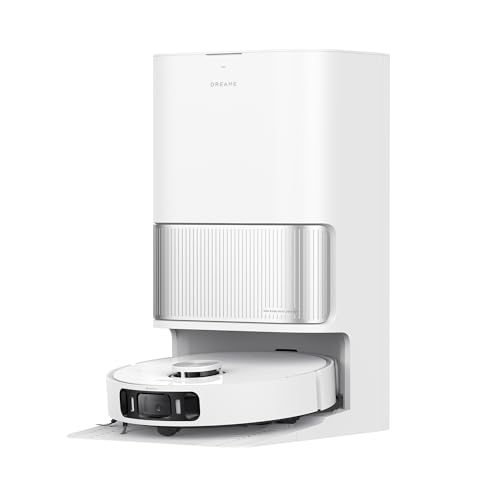
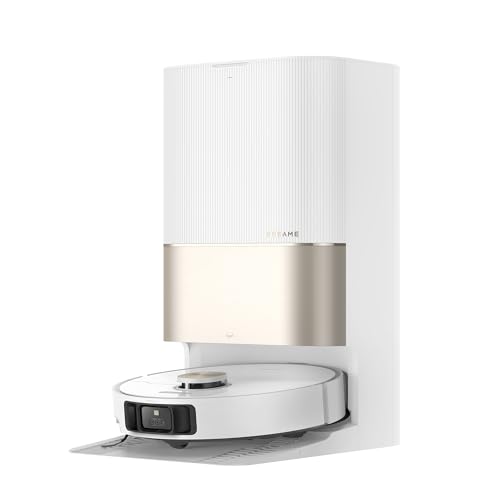
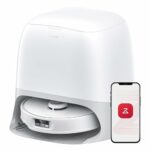
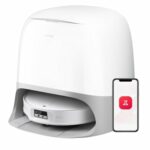
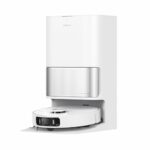
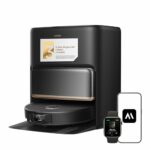
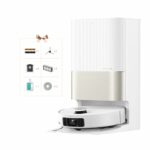
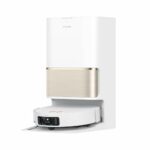
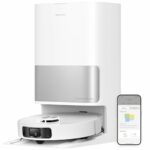
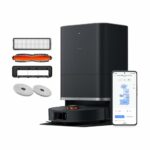
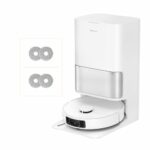
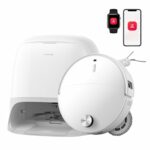
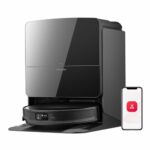
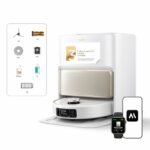
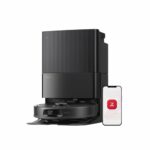
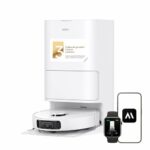
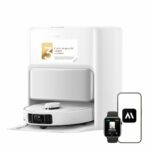
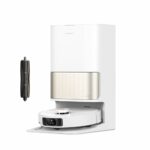
The Dreame L40 Ultra AE and the Dreame X40 Ultra represent two generations of premium robot vacuum technology from one of the industry's most competitive manufacturers. The L40 Ultra AE arrives in 2025 as the newer model, whilst the X40 Ultra launched in 2024. Both are high-end models equipped with multifunctional bases that handle everything from dust collection to mop washing and drying, making them suitable for users seeking a largely hands-off cleaning experience.
These aren't entry-level machines. They're designed for households that want comprehensive floor care without daily intervention, capable of handling both vacuuming and mopping across various floor types. The question becomes which generation offers the better fit for your specific needs.
Key Differences at a Glance
- The L40 Ultra AE delivers 19,000 Pa suction versus 12,000 Pa on the X40 Ultra
- Battery capacity differs: 5,200 mAh in the newer model compared to 6,400 mAh in the 2024 version
- The L40 Ultra AE features a TriCut 3.0 brush system, whilst the X40 Ultra uses a simpler brush design
- Only the X40 Ultra includes an extendable side brush that reaches into corners
- The X40 Ultra can lift its side brush during mopping; the L40 Ultra AE cannot
- The older model offers dual AI cameras versus a single camera setup in the L40 Ultra AE
- Curtain detection is exclusive to the X40 Ultra
- AI spot recognition only appears on the X40 Ultra
- The X40 Ultra can automatically remove its mops at the base for vacuum-only sessions
- Obstacle clearance reaches 22 mm on the X40 Ultra compared to 20 mm on the L40 Ultra AE
- Dust bin capacity in the robot itself: 395 ml for the L40 Ultra AE, 300 ml for the X40 Ultra
Power and Suction
The suction power difference stands out immediately. The Dreame L40 Ultra AE pushes 19,000 Pa, a substantial jump from the 12,000 Pa offered by the X40 Ultra. In practical terms, this translates to better performance on carpets and rugs, more effective removal of embedded dirt, and improved pickup of finer particles like dust and pet hair from textured surfaces.
Where things get interesting is the brush configuration. The L40 Ultra AE employs Dreame's TriCut 3.0 system, which combines bristles with integrated cutting blades designed to slice through tangled hair before it becomes a maintenance headache. The X40 Ultra uses a simpler brush design without this anti-tangle technology. For homes with long-haired occupants or pets, this can make a noticeable difference in how often you need to manually clean the main roller.
Both models can lift their main brush during mopping to prevent cross-contamination between cleaning modes. However, the X40 Ultra has a clear advantage with its side brush: it extends to reach deeper into corners and can lift itself when mopping begins, preventing the brush from dragging through wet areas. The L40 Ultra AE's side brush remains fixed in position and height, which means it may occasionally interfere with mopping or miss debris tucked into tight corners.
Mopping
Both robots use dual rotating mops with extension capabilities and Roboswing technology, allowing them to reach into edges and under slight overhangs. The mop lift height is identical at 10.5 mm, sufficient for low-pile rugs and raised thresholds. Water temperature for floor mopping remains cold on both models, though their bases wash the mops with hot water.
The X40 Ultra introduces an automatic mop removal system at the base. When you want to vacuum without mopping, the robot returns to the station, detaches its mop pads, and continues with dry cleaning only. The L40 Ultra AE lacks this feature, meaning you'll need to manually remove the mops if you want a vacuum-only session. This might seem minor, but for households that alternate between mopping and dry vacuuming based on daily needs, it adds convenience.
Both machines detect dirt on their mops and on the floor itself, triggering additional cleaning passes or mop washes when needed. This intelligent approach ensures heavily soiled areas receive extra attention without requiring manual intervention.
Navigation System
Navigation technology is where the X40 Ultra shows its premium positioning. It features dual AI cameras working alongside 3D laser sensors and LiDAR, creating a comprehensive picture of the environment. The L40 Ultra AE uses a single AI camera with the same sensor array. Both recognise up to 120 different obstacle types, handle pet detection, and offer remote camera access through the app.
The dual-camera setup on the X40 Ultra enables curtain detection, allowing the robot to gently navigate around hanging fabrics without getting tangled. It also includes AI-powered spot recognition, which identifies specific types of mess and adjusts cleaning intensity accordingly. These features don't appear on the L40 Ultra AE.
Both models include LED lighting for operation in low-light conditions and employ Dreame's CleanGenius AI system for intelligent cleaning decisions. The X40 Ultra runs on the AI Sage 11.0 Qualcomm processor, though the specific CPU for the L40 Ultra AE isn't detailed in the specifications.
Battery and Autonomy
Here's where the comparison becomes less straightforward. The X40 Ultra packs a 6,400 mAh battery delivering 194 minutes of runtime, whilst the L40 Ultra AE contains a smaller 5,200 mAh cell with no specified runtime. The higher suction power of the newer model likely draws more energy, which may explain the reduced battery capacity.
For most homes, automatic recharging and resume functionality means runtime matters less than it might seem. Both robots will return to base when low, recharge, and continue where they left off. Still, the X40 Ultra's longer single-session capability could prove beneficial in particularly large homes or when running intensive cleaning modes.
Intelligent Features
Obstacle climbing ability differs slightly: 20 mm for the L40 Ultra AE versus 22 mm for the X40 Ultra. That extra 2 mm might not sound significant, but it can determine whether a robot confidently mounts thick door thresholds or gets stuck attempting the climb. Both integrate with external voice assistants like Alexa and Google Home, though neither includes a proprietary voice assistant.
Multifunctional Cleaning Base
The base stations are functionally identical. Both automatically empty the robot's dust bin into 3.2-litre bags, wash mops with hot water, and dry them using heated air to prevent odour and bacterial growth. Second-generation tray self-cleaning keeps the washing area hygienic without manual scrubbing.
Water tank capacities match: 4.5 litres for clean water, 4 litres for dirty water. Both include detergent dispensers and offer optional plumbing connection kits (sold separately) for users who want to eliminate manual refilling entirely. Neither model includes built-in plumbing connections as standard, so the kit remains an aftermarket purchase if desired.
Dimensions
Physical dimensions are identical across both robots and their bases. Each robot measures 350 mm in diameter and stands 97 mm tall, allowing them to slip under most furniture with standard clearance. The bases share the same footprint: 340 mm wide, 590.5 mm tall, and 456.7 mm deep.
The 97 mm height works well for typical sofas and bed frames but may struggle with lower European-style furniture or platform beds. The dust bin capacity inside the robot differs, however: 395 ml for the L40 Ultra AE compared to 300 ml for the X40 Ultra. This larger onboard capacity means the newer model can handle more debris before triggering a return to base, potentially reducing interruptions during cleaning sessions.
Real-World Usage Experience
The L40 Ultra AE's stronger suction makes it particularly effective for homes with thick carpets or multiple pets where embedded fur and dander require aggressive extraction. The TriCut 3.0 brush reduces maintenance frequency, which matters if you'd rather not spend time cutting hair from rollers every week.
The X40 Ultra's extendable side brush and automatic mop removal create a more refined experience for homes with complex layouts featuring tight corners and varied flooring. The dual-camera system with curtain detection suits households with floor-length drapes or delicate obstacles where navigation precision matters most.
Both handle mixed flooring well, transitioning between hard surfaces and carpets whilst adjusting suction and mop lift automatically. The hot water mop washing and heated drying ensure consistently clean mops, which directly impacts mopping quality. In practice, this prevents the common problem of robots simply spreading dirty water around after a few cleaning cycles.
For larger homes, the X40 Ultra's superior battery life provides more continuous coverage. For homes prioritising deep carpet cleaning and minimal brush maintenance, the L40 Ultra AE's power and anti-tangle technology deliver tangible benefits.
Conclusion: Which Should You Choose?
Choose the Dreame L40 Ultra AE if: you need maximum suction power for deep carpet cleaning, have pets or long hair in the household where the TriCut 3.0 system will reduce maintenance, or want the larger onboard dust bin for extended cleaning sessions. It's the better option for homes prioritising raw cleaning performance and lower upkeep requirements.
Choose the Dreame X40 Ultra if: you have a complex home layout with tight corners where the extendable side brush matters, want the convenience of automatic mop removal for flexible cleaning modes, need longer battery life for very large properties, or have curtains and delicate obstacles where the dual-camera system provides better navigation. The enhanced AI features and superior obstacle management make it ideal for households seeking the most refined automated cleaning experience.
Both represent excellent robot aspirador Dreame options in the premium segment. The L40 Ultra AE focuses on power and reduced maintenance, whilst the X40 Ultra emphasises intelligent navigation and operational flexibility. Your choice ultimately depends on whether you value brute cleaning force or sophisticated automation features more highly.