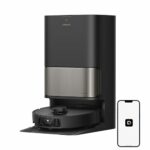
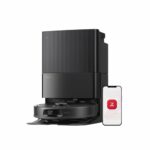
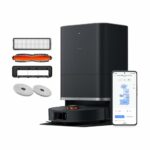
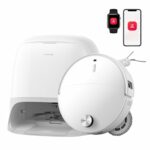
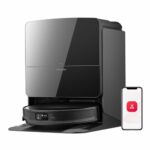
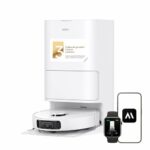
Introduction
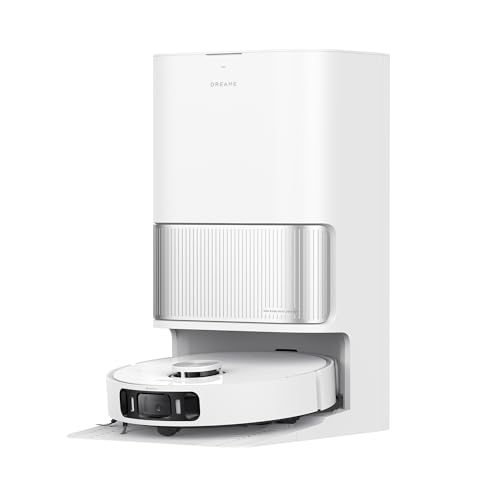
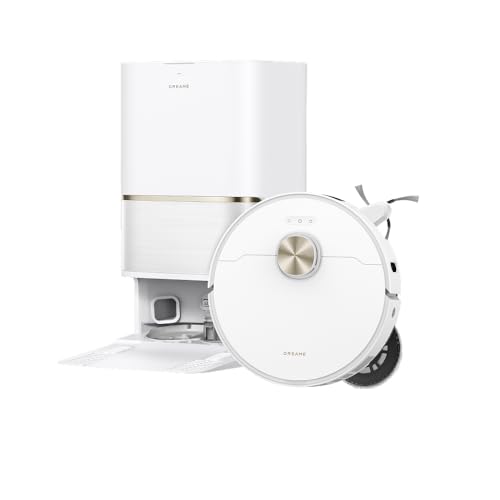
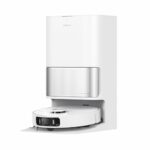
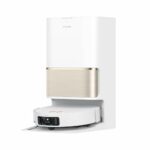
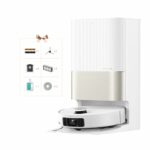
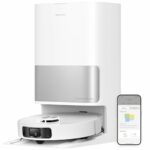
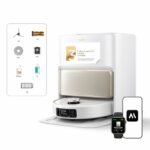
The Dreame L40 Ultra AE and Dreame L50 Ultra AE represent two generations of premium robot vacuum cleaners from Dreame, with the L40 arriving in 2025 and the L50 following in March 2026. Both models feature multifunctional bases with mop washing and hot air drying, making them suitable for homeowners who want a comprehensive cleaning solution without constant manual intervention.
What sets these models apart isn't immediately obvious from their specifications, as they share many core features. The L50 Ultra AE brings notable upgrades in suction power and side brush technology, whilst the L40 Ultra AE focuses on artificial intelligence capabilities and dirt detection systems. Understanding which features matter most for your specific home environment will determine which robot aspirador Dreame makes the most sense.
Suction Power and Brushing
The difference in suction power between these models is substantial. The Dreame L50 Ultra AE delivers 28,000 Pa, which represents a significant jump from the L40's already respectable 19,000 Pa. In practical terms, this translates to better performance on carpets and more effective deep cleaning of textured flooring. For homes with thick rugs or high-pile carpets, this extra power can make a noticeable difference.
Both robots use the TriCut 3.0 main brush, which combines bristles with integrated blades to cut through tangled hair. This design helps reduce the maintenance burden, particularly in households with long-haired residents or pets. The main brush lifts during mopping on both models, preventing cross-contamination between vacuuming and wet cleaning.
The side brush configuration reveals a clear distinction. The L50 Ultra AE features an extendable side brush that reaches further into corners and along edges, paired with anti-tangle technology. The L40 lacks both these features. For homes with lots of furniture or complex floor plans with many corners, the L50's side brush advantages become more relevant. Neither model offers side brush elevation during mopping.
Mopping System
Both robots employ dual rotating mops with extension capabilities and the Roboswing system, which allows the robot to manoeuvre the mop slightly under furniture edges. Mop elevation reaches 10.5mm on both models, enough to clear most low-pile rugs and prevent dragging wet mops across carpets.
The base stations wash mops with hot water and dry them using warm air, which helps prevent odours and bacterial growth. Each base holds 4.5 litres of clean water and 4 litres of dirty water, with a 3.2-litre dust bag. Both include a detergent dispenser for enhanced cleaning results.
Where these models diverge is in automation and intelligence. The L50 Ultra AE can automatically detach its mops at the base when you want vacuum-only operation, eliminating the need to manually remove them. The L40 doesn't offer this feature, requiring manual intervention if you want to switch modes.
Conversely, the L40 Ultra AE includes dirt detection sensors that monitor both the mops themselves and the floor being cleaned. This allows the robot to identify particularly dirty areas and adjust its cleaning pattern accordingly, potentially making extra passes or returning for additional scrubbing. The L50 lacks this capability entirely, operating with predetermined cleaning patterns regardless of actual floor conditions.
Navigation and Intelligence
Both models use 3D LiDAR navigation with front-mounted 3D laser sensors for obstacle avoidance. This dual-sensor approach provides reliable mapping and navigation even in cluttered environments.
The most significant divide between these robots lies in their artificial intelligence capabilities. The Dreame L40 Ultra AE incorporates an AI camera that recognises up to 120 different objects, including pets. This camera enables remote viewing through the app, turning the robot into a mobile security device when you're away from home. The integrated LED provides night vision, allowing the camera to function in low-light conditions.
The L40 also features CleanGenius AI, which analyses room conditions and adjusts cleaning strategies automatically. This system considers factors like room type, detected dirt levels, and obstacle density to optimise cleaning patterns.
The L50 Ultra AE strips away all these AI features. There's no camera, no remote viewing, no pet recognition, and no CleanGenius system. Navigation relies purely on LiDAR and 3D sensors without visual intelligence. For privacy-conscious users or those who simply don't value these smart features, this might actually be preferable. The robot still navigates effectively and avoids obstacles, just without the visual recognition layer.
Battery and Autonomy
Both robots use identical 5,200 mAh batteries. Specific runtime figures aren't provided in the specifications, but this capacity typically supports large homes when combined with efficient navigation. The robots return to base automatically when battery levels drop, recharge as needed, and resume cleaning where they left off.
The L40's larger 395ml dust bin compared to the L50's 250ml capacity means it can operate longer between base returns during vacuum-only sessions. This becomes relevant in homes with heavy daily dirt accumulation or when cleaning multiple rooms in succession. Water tank capacity remains identical at 80ml for both models.
Smart Features
Both robots can climb obstacles up to 20mm high, which handles most floor transitions, door thresholds, and low-profile carpet edges without getting stuck. Neither model includes a robotic arm or proprietary voice assistant, though both integrate with external assistants like Alexa and Google Home for voice control.
The distinction here circles back to the L40's AI capabilities versus the L50's more straightforward operation. If you value being able to check on pets remotely or want the robot to automatically adjust cleaning intensity based on detected dirt, the L40 delivers. If you prefer a simpler robot aspirador without cameras and AI processing, the L50 provides that whilst maintaining excellent core cleaning performance.
Multifunctional Base Station
The base stations share most specifications: hot water mop washing, warm air drying, 3.2-litre dust bags, and matching water tank capacities. Both offer optional connection kits for plumbing integration, though this requires separate purchase and isn't included as standard.
The L50 Ultra AE features a third-generation self-cleaning system for the washing tray, whilst the L40 uses the second-generation version. In practice, this means the L50's base requires less frequent manual cleaning of the mop washing area. Both systems work effectively, but the newer generation on the L50 represents an incremental improvement in maintenance convenience.
Neither base includes UV disinfection or automatic mop replacement systems, keeping the focus on proven cleaning technologies rather than adding features that may offer limited practical benefit.
Dimensions
The robots themselves are virtually identical: 350mm diameter and 97mm height. This low profile allows both to navigate under most furniture, though you'll want to measure clearances under sofas and beds if they're particularly low.
Base dimensions are nearly identical as well, with the L40 measuring 340mm wide, 590.5mm tall, and 456.7mm deep, whilst the L50 comes in at 340mm wide, 590mm tall, and 457mm deep. These fractional differences won't affect placement decisions. Both bases require dedicated floor space in an accessible location with power access.
Real-World Usage Considerations
For larger homes or those with pets, the L50 Ultra AE's superior suction power and extendable side brush deliver more thorough cleaning, particularly in corners and along edges where pet hair accumulates. The anti-tangle side brush further reduces maintenance time in multi-pet households.
The L40 Ultra AE suits users who want maximum automation and intelligence. Its dirt detection adjusts cleaning intensity where needed rather than applying the same approach everywhere. Pet owners who want to check on animals remotely will appreciate the camera functionality, whilst the AI recognition helps the robot navigate around pets more intelligently.
Homes with complex layouts benefit from either model's navigation capabilities, though the L40's visual recognition provides an additional layer of obstacle identification beyond pure sensor data. The L50's automatic mop removal makes it more convenient for households that frequently switch between vacuum-only and combined cleaning modes.
Both robots handle hard floors, engineered wood, and carpets effectively. The TriCut brush and mop elevation prevent the common issues of tangled hair and wet carpets. Water tank capacity limits mopping range to around 150-200 square metres before requiring a refill, though the bases handle this automatically when the robot returns for mop washing.
Conclusion: Which Should You Choose?
Choose the Dreame L40 Ultra AE if: You want comprehensive AI features including remote camera access, pet recognition, and adaptive cleaning intelligence. The dirt detection system appeals to you, and you value having the robot automatically adjust its approach based on actual floor conditions. You're comfortable with a camera-equipped robot in your home and see value in the CleanGenius system. The larger dust bin matters for your cleaning routine.
Choose the Dreame L50 Ultra AE if: Raw cleaning power and practical features matter more than AI capabilities. You want the strongest suction available, particularly for carpets or homes with heavy dirt accumulation. The extendable and anti-tangle side brush addresses your corner cleaning needs. You prefer automatic mop removal for convenient mode switching. Privacy concerns make you uncomfortable with an AI camera, or you simply don't see value in those features. The third-generation base self-cleaning appeals to you.
In comparing these robots aspiradores, the choice ultimately depends on whether you prioritise intelligence and monitoring features or maximum physical cleaning performance with streamlined operation. Both represent capable options for comprehensive home cleaning with minimal intervention.