✨ VS Analyze · VacuumSpain comparison technology. AI-generated explanation based on verified technical data.
Introduction
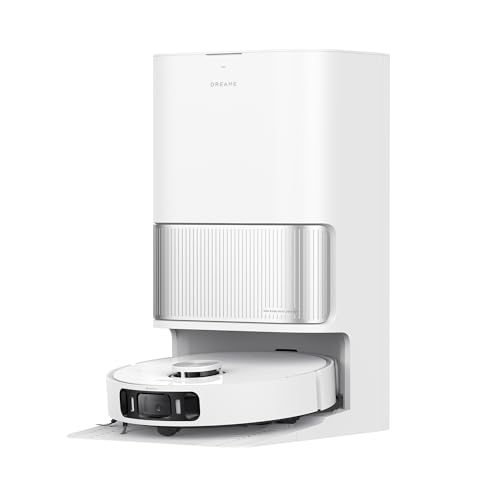
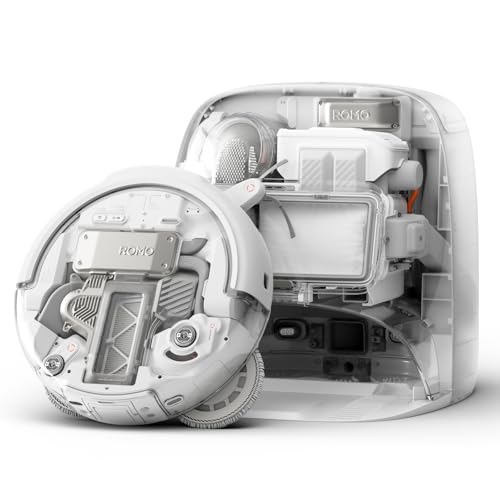
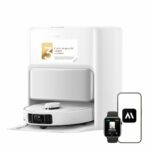
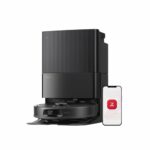
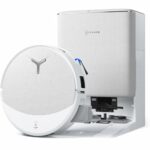
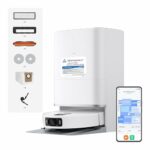
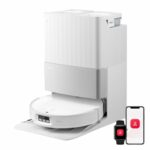
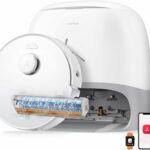
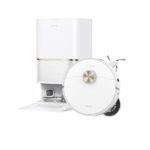
The Dreame L40 Ultra AE and the DJI Romo P represent two distinct approaches to premium robot vacuum technology in 2025. Dreame, a brand known for delivering competitive features at accessible prices, brings its L40 Ultra AE with proven navigation systems and comprehensive cleaning capabilities. DJI, fresh to the robot vacuum market but renowned for its imaging and navigation expertise from the drone industry, introduces the Romo P with a transparent base design and some intriguing technical specifications.
Both models target users seeking complete automation with multifunction bases that handle not just emptying but also mop washing and drying. They're designed for homes where convenience matters, though their technical differences suggest they'll appeal to slightly different priorities.
Suction Power and Brushing
Suction performance clearly favours the DJI Romo P, which delivers 25,000 Pa compared to the Dreame's 19,000 Pa. In practical terms, this extra power can make a noticeable difference on deep-pile carpets or when dealing with stubborn debris embedded in textured flooring. The gap isn't enormous, but it's there.
The main brush systems take different approaches. Dreame equips the L40 Ultra AE with its TriCut 3.0 brush, which combines bristles with cutting blades designed to slice through tangled hair. DJI opts for a divided brush design that channels hair towards the central suction point. Both systems elevate during mopping to avoid cross-contamination, which matters when you're maintaining clean floors.
Side brush functionality reveals a more significant distinction. The DJI Romo P features an extendable side brush that reaches further into corners and along edges, paired with dual anti-tangle brushes that resist hair wrap. The Dreame L40 Ultra AE lacks both the extendable design and the anti-tangle feature on its side brush. For homes with pets or long-haired residents, the DJI configuration could reduce maintenance frequency noticeably.
Mopping
Both models employ dual rotating mops that spin to scrub floors rather than simply dragging damp pads across surfaces. The Dreame L40 Ultra AE incorporates RoboSwing technology, which adds a wiggling motion to help the mops reach slightly under furniture edges and around obstacles. The mops lift 10.5 mm when encountering carpets or rugs. DJI's Romo P also extends its mops for edge cleaning but doesn't include the wiggling movement—it relies on straightforward mop extension instead.
When the robots return to their bases, both systems wash the mops with hot water, which helps dissolve grease and sanitise the pads more effectively than cold water alone. The Dreame features second-generation bandeja autoclean, whilst DJI uses a high-pressure nozzle system for cleaning the wash tray itself. Both dry mops with hot air, accelerating the drying process and reducing the risk of mildew smells.
The DJI Romo P adds UV disinfection to its base, applying ultraviolet light during the cleaning cycle. Dreame doesn't include this feature. Whether UV makes a practical difference in a home environment remains debatable, but it's there for those who value every available hygiene measure.
Both robots detect dirty mops and adjust their cleaning routines accordingly, returning to the base more frequently when sensors indicate the mops need refreshing. They also identify particularly soiled floor areas and can increase scrubbing intensity or make additional passes.
Navigation Systems
The Dreame L40 Ultra AE uses a traditional rotating LiDAR turret mounted on top of the robot, which spins to map the environment with laser precision. DJI employs solid-state LiDAR, a newer technology without moving parts that's potentially more durable over time. Both approaches deliver accurate mapping and efficient route planning.
AI cameras and frontal 3D laser sensors feature on both models, enabling them to identify and avoid obstacles in real time. The Dreame system recognises 120 different object types, including pets, which it can track and work around. DJI's specific obstacle recognition count isn't detailed in the specifications, though it does incorporate AI-powered cleaning intelligence.
Remote camera access works on both robots, allowing you to check in on your home through the robot's front-facing camera. LED illumination enables night vision functionality, so the cameras remain useful even in dim conditions.
Battery and Autonomy
Battery capacity slightly favours the Dreame L40 Ultra AE with 5,200 mAh versus the DJI Romo P's 5,000 mAh. The DJI specifies 180 minutes of runtime, whilst Dreame doesn't provide a specific autonomy figure. In practice, actual runtime varies dramatically depending on suction power settings, floor types, and whether the robot is vacuuming, mopping, or doing both simultaneously.
The small battery capacity difference probably won't translate to meaningful real-world performance gaps. Both robots automatically return to base when battery runs low, recharge, and resume where they left off—a standard feature at this level.
Smart Functions
Both robots can climb obstacles up to 20 mm high, which handles most door thresholds and thick rug edges without getting stuck. This capability matters more than it might initially seem—cheaper robots frequently strand themselves on modest barriers.
Voice assistant integration works with external systems like Alexa and Google Home on both models. Neither includes its own proprietary voice assistant built into the robot itself.
The Dreame incorporates CleanGenius AI for intelligent cleaning decisions, whilst DJI offers AI-powered stain recognition that identifies and targets specific marks on floors. These systems adjust cleaning intensity, route planning, and mop moisture based on what they detect.
Multifunction Base
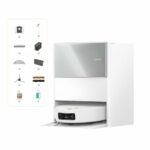
The bases handle the full maintenance cycle: emptying dust, washing mops, and drying them afterwards. Dreame's L40 Ultra AE includes a single detergent tank, whereas DJI's Romo P features dual detergent tanks—potentially useful if you want separate solutions for different floor types or cleaning tasks, though this adds complexity.
Dust bag capacity differs noticeably. The Dreame accommodates a 3.2 L bag compared to DJI's 2.4 L. Larger capacity means less frequent bag changes, which matters over months of use. Water tank sizes also lean towards Dreame: 4.5 L clean and 4 L dirty water versus DJI's 4 L and 3.2 L. For larger homes or multiple mopping sessions, the extra capacity reduces refill interruptions.
The Dreame base offers an optional pipe connection kit that allows permanent plumbing for automatic water supply and drainage. This accessory costs extra and requires installation, but eliminates manual tank filling and emptying entirely. DJI doesn't offer this option.
Dimensions
The robots themselves measure almost identically: Dreame at 350 mm diameter and 97 mm height, DJI at 351 mm and 98 mm. These minimal differences won't affect furniture clearance in any practical sense. Both should fit under most standard sofas and bed frames.
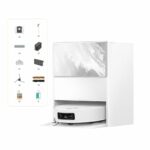
Base dimensions tell a different story. The Dreame base stands significantly taller at 590.5 mm versus DJI's 440 mm, though it's narrower at 340 mm width compared to DJI's 453 mm. The Dreame base has a deeper footprint at 456.7 mm versus 425 mm for DJI. Consider your available floor space—the DJI base spreads wider but squats lower, whilst the Dreame base towers higher but occupies less width. The transparent design of the DJI base might appeal aesthetically, though functionality remains identical.
Real-World Experience
For homes with pets, the DJI Romo P's anti-tangle side brushes and higher suction power provide practical advantages. Pet hair tends to wrap around standard side brushes, requiring regular cutting and cleaning. The divided main brush design also helps channel hair efficiently.
Larger homes benefit from the Dreame L40 Ultra AE's bigger dust bag and water tanks, reducing maintenance frequency. The optional pipe connection kit becomes genuinely useful in spacious properties where the robot runs daily—manual tank maintenance becomes tedious over time.
Both robots handle mixed flooring well, automatically adjusting between hard floors and carpets. The mop lifting and brush elevation prevent wet mops from dragging across rugs or brushes from scattering debris during mopping mode.
The DJI's superior suction makes more difference on thick carpets or textured tiles where debris embeds deeply. On standard hard floors and low-pile carpets, the Dreame's 19,000 Pa proves perfectly adequate for daily maintenance.
Conclusion: Which to Choose?
Choose the Dreame L40 Ultra AE if: you have a larger home where the bigger dust bag and water tanks reduce refill frequency, you value the RoboSwing edge-cleaning motion, or you're interested in eventually adding permanent pipe connections for completely hands-free operation. The taller base design suits spaces where vertical clearance isn't an issue, and the slightly larger battery capacity provides marginal autonomy benefits.
Choose the DJI Romo P if: maximum suction power matters for your flooring types, you have pets and want the anti-tangle side brush system, or you prefer the lower-profile base design with its transparent aesthetic. The UV disinfection adds an extra hygiene layer, and the dual detergent system offers flexibility if you maintain different floor types. The extendable side brush improves corner cleaning compared to standard designs.
Both represent capable, premium robot vacuum and mop combinations with comprehensive automation. The Dreame leans towards capacity and optional connectivity, whilst the DJI emphasises raw cleaning power and pet-friendly design. Your specific home layout, flooring types, and whether you have shedding pets will likely determine which suits better.