Introduction
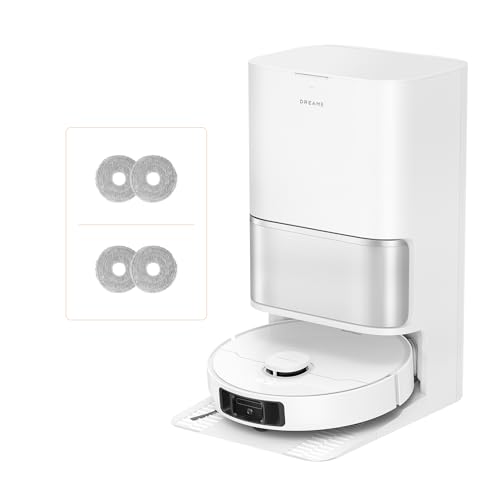
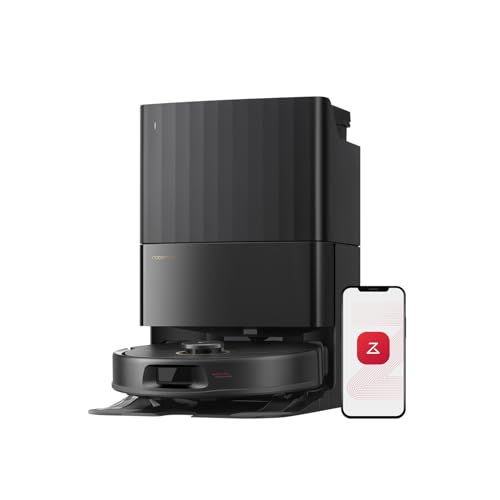
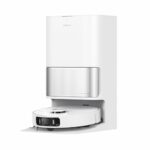
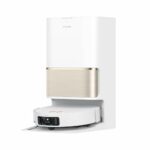
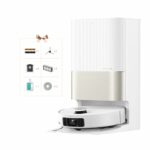
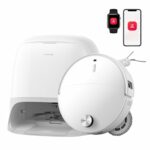
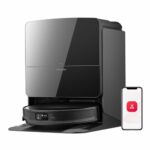
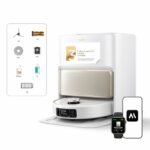
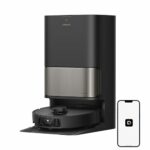
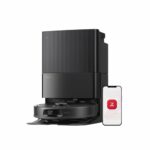
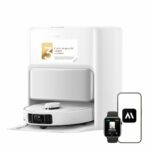
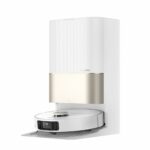
The Dreame L10s Ultra Gen 3 and Roborock Qrevo S5V represent two compelling approaches to automated home cleaning in 2025. The Dreame model arrives as the latest iteration from a manufacturer known for packing premium features into competitively priced packages, whilst Roborock continues its reputation as a market leader with proven reliability and sophisticated software.
These aren't entry-level machines. Both feature multifunctional bases that handle everything from emptying dust to washing and drying mops, making them suitable for users who want minimal manual intervention. The question isn't whether they can clean effectively—it's which combination of features better suits your specific home environment and cleaning priorities.
Key Differences at a Glance
- The Dreame delivers 25,000 Pa suction compared to 12,000 Pa on the Roborock
- Dreame offers 231 minutes autonomy versus 180 minutes for the Roborock
- Roborock features the DuoDivide anti-tangle brush system; Dreame uses a conventional design
- Dreame includes an extendable side brush; Roborock's remains fixed
- Roborock's side brush has anti-tangle properties, Dreame's doesn't
- Dreame's base includes third-generation automatic tray cleaning and a detergent dispenser
- Dreame provides larger water tanks (4.5L clean, 4L dirty) and dust bag (3.2L)
- Dreame incorporates a 3D laser sensor and pet recognition capabilities
- The Roborock sits slightly lower at 96.5mm versus 97mm
Suction Power and Brushing
The difference in suction power is immediately apparent on paper. The Dreame L10s Ultra Gen 3 generates 25,000 Pa, more than double the Roborock Qrevo S5V's 12,000 Pa. In practical terms, this translates to better deep-cleaning performance on carpets and more effective pickup of embedded debris. For homes with rugs or medium-pile carpets, that extra power makes a tangible difference.
The brush systems take fundamentally different approaches. Roborock equips the Qrevo S5V with its DuoDivide anti-tangle design, which channels hair towards the central suction point rather than wrapping it around the roller. This proves particularly valuable in households with long hair or pets, reducing maintenance frequency. The Dreame uses a simpler conventional brush, which means you'll likely spend more time cutting away tangled hair.
Where the Dreame gains ground is with its extendable side brush. This mechanism allows the brush to reach further into corners and along edges, improving coverage in those awkward spots that fixed brushes struggle with. The Roborock counters with an anti-tangle side brush design, though it doesn't extend. Neither model offers brush elevation during mopping, so both retract or manage their brushes through software rather than mechanical lifting.
Mopping Performance
Both robots employ dual rotating mops, but with subtle differences in execution. The Dreame L10s Ultra Gen 3 includes mop extension combined with its Roboswing movement—a distinctive side-to-side motion that helps push the mop slightly under furniture edges and skirting boards. The Roborock Qrevo S5V also features mop extension, though without the additional swinging action.
Mop lift height differs marginally: 10.5mm on the Dreame versus 10mm on the Roborock. That half-millimetre won't dramatically change performance, but every bit helps when transitioning onto low-pile rugs. Neither robot removes its mops automatically at the base when switching to vacuum-only mode, so you'll need to detach them manually if you want pure vacuuming without the mopping pads attached.
Both systems wash mops with cold water and dry them using heated air. This prevents odours and bacterial growth between cleaning sessions. Neither includes heated water for floor mopping itself, and neither detects dirt on mops or floors to trigger additional cleaning passes. The mopping experience remains comparable between the two, with the Dreame's Roboswing potentially offering a slight edge along baseboards.
Navigation Systems
Navigation foundations are similar—both use LiDAR turrets for mapping and include obstacle avoidance. The Dreame L10s Ultra Gen 3 adds a frontal 3D laser sensor, which enhances its ability to detect and navigate around smaller obstacles in real-time. This sensor works alongside pet recognition, allowing the robot to identify and avoid disturbing animals during cleaning runs.
The Roborock Qrevo S5V lacks both the 3D laser sensor and specific pet recognition, relying instead on its standard obstacle detection system. For homes with pets that leave toys scattered about, the Dreame's additional sensing capability could reduce the frequency of stuck situations. Neither robot includes a front-facing camera, LED illumination for night vision, or remote camera access.
Both incorporate AI-driven cleaning intelligence—CleanGenius AI on the Dreame and SmartPlan 1.0 on the Roborock. These systems optimise cleaning patterns and adjust settings based on room type and detected floor surfaces, though neither offers specific spot-detection for targeted stain removal.
Battery Life and Coverage
Battery capacity matches at 5,200 mAh, but runtime differs noticeably. The Dreame achieves 231 minutes of operation compared to 180 minutes for the Roborock. That extra 51 minutes matters in larger homes or when running intensive cleaning modes that drain the battery faster. The Dreame's extended runtime means fewer mid-clean returns to the base for recharging, particularly useful in properties exceeding 150 square metres.
Both robots handle 20mm obstacles equally well, climbing over door thresholds and minor floor transitions without difficulty. This capability is standard at this price point and ensures neither gets trapped by typical household obstacles.
Smart Features
Neither the Dreame L10s Ultra Gen 3 nor the Roborock Qrevo S5V includes a robotic arm for additional cleaning tasks. Both integrate with external voice assistants like Alexa and Google Home, allowing voice control for starting, stopping, or scheduling cleans. Neither has its own proprietary voice assistant built into the robot itself.
The intelligence differences lie primarily in the Dreame's enhanced obstacle detection through its 3D laser sensor and pet recognition, as mentioned earlier. For most users, the core smart functionality—app control, room mapping, no-go zones, scheduling—works effectively on both platforms, with Roborock's app historically receiving praise for its intuitive interface and reliability.
Multifunctional Base Stations
Here the Dreame L10s Ultra Gen 3 pulls ahead with several meaningful additions. Its base includes third-generation automatic cleaning of the washing tray itself, reducing the manual maintenance required to keep the base hygienic. The Roborock lacks this self-cleaning tray function, meaning you'll need to periodically remove and rinse it yourself.
The Dreame also incorporates a detergent dispenser, automatically adding cleaning solution during mop washing cycles. This ensures consistent cleaning performance without manual dosing. The Roborock doesn't include a detergent reservoir, so you'd need to add solution manually to the water tank if desired.
Storage capacity favours the Dreame across the board: a 3.2L dust bag versus 2.7L, 4.5L clean water tank versus 4L, and 4L dirty water versus 3.5L. These differences mean less frequent emptying and refilling, particularly valuable for larger homes or users who run multiple cleaning cycles between maintenance sessions.
The Dreame offers an optional plumbing connection kit (purchased separately), though neither robot includes integrated plumbing connectivity as standard. This kit allows automatic water tank filling and draining, though it's an additional purchase rather than a core differentiator. Neither base includes UV disinfection.
Physical Dimensions
Size differences are minimal but worth noting. The Roborock Qrevo S5V measures 96.5mm tall compared to 97mm for the Dreame—a negligible 0.5mm that won't meaningfully affect furniture clearance. Diameter is similarly matched: 353mm for the Roborock versus 350mm for the Dreame.
Base station footprints differ more noticeably. The Dreame's base stands taller at 590mm versus 521mm for the Roborock, but the Roborock extends deeper at 487mm compared to 457mm. Depending on your installation space—whether you're tucking it under a counter or against a wall—one configuration might suit better than the other. Width remains identical at 340mm for both.
The onboard dust bins are comparable: 300ml on the Dreame versus 330ml on the Roborock. Both carry 80ml water tanks on the robot itself, which matters little given both return regularly to their bases for mop washing during cleaning cycles.
Real-World Usage Scenarios
For homes with pets, the choice becomes nuanced. The Dreame's superior suction power and pet recognition offer advantages for picking up hair and avoiding animals, but the Roborock's DuoDivide anti-tangle brush significantly reduces the time spent cutting hair from the roller. If your priority is raw cleaning power and obstacle avoidance, the Dreame makes sense. If you value reduced maintenance and proven anti-tangle performance, the Roborock deserves consideration.
Larger properties benefit from the Dreame's extended 231-minute runtime and larger consumable capacities. You'll make fewer trips to empty bags or refill water, and the robot completes more area per charge. The enhanced suction also proves beneficial across expansive floor plans where debris accumulates in higher volumes.
For users prioritising minimal maintenance, the Dreame's self-cleaning base tray and detergent dispenser reduce hands-on involvement. The Roborock requires more regular manual cleaning of its base components, though this remains far less demanding than robots without multifunctional bases entirely.
Both handle hard floors, tiles, and sealed wood effectively. The mopping systems perform comparably, with the Dreame's Roboswing offering marginal improvements along edges. Neither excels on thick carpets—that's not their primary design focus—but the Dreame's higher suction provides better results on medium-pile rugs.
Conclusion: Which Should You Choose?
Choose the Dreame L10s Ultra Gen 3 if: You want maximum suction power for deeper carpet cleaning, need extended runtime for larger homes, value the convenience of automatic base tray cleaning and detergent dispensing, or appreciate the enhanced obstacle detection with pet recognition. The extendable side brush also benefits homes with complex floor plans featuring numerous corners and edges. Larger water and dust capacities mean less frequent maintenance, ideal for busy households.
Choose the Roborock Qrevo S5V if: You prioritise proven anti-tangle brush technology to minimise hair maintenance, prefer a slightly more compact base station, or value Roborock's established reputation for reliable hardware and excellent app performance. The lower price point (typically) combined with solid core functionality makes it sensible for users who don't need the absolute highest specifications but want dependable automated cleaning with a multifunctional base.
Both represent capable options in the premium robot vacuum category. The Dreame pushes specifications higher with more power, longer runtime, and additional convenience features. The Roborock focuses on refined execution of core functions with superior brush design and the reliability that comes from an established market leader. Your choice ultimately depends on whether you value peak specifications and enhanced features, or proven performance with lower maintenance requirements.