Introduction
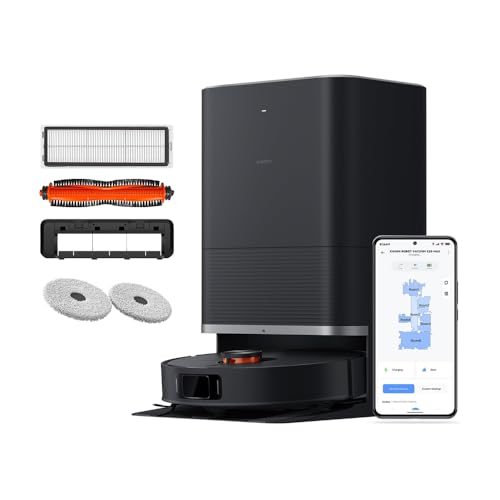
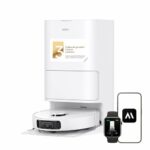
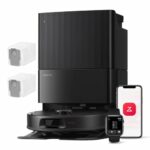
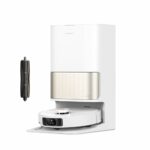
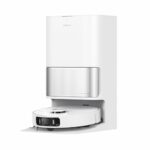
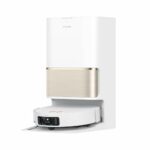
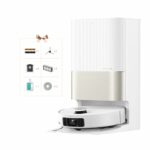
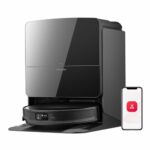
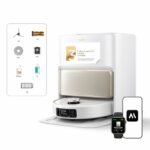
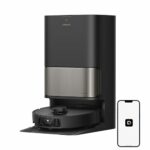
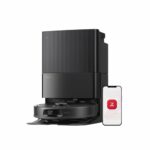
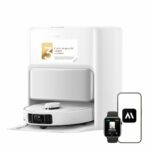
The Dreame L10s Ultra Gen 2 and Xiaomi X20 Max represent two compelling entries in the 2024 robot vacuum market, both equipped with multifunctional bases that handle the full cleaning cycle from vacuuming to mopping. These aren't entry-level devices—they're designed for users who want minimal intervention in their floor cleaning routine.
What makes this comparison particularly interesting is the shared DNA between these models. Dreame manufactures many of Xiaomi's robots, which explains the similar design philosophy and feature overlap. Yet the differences that do exist reveal distinct approaches to solving the same cleaning challenges.
Both models suit medium to large homes with mixed flooring, though their autonomy and base specifications suggest they're aimed at slightly different user priorities.
Differences Key in a Glance
- Suction power: 10,000 Pa versus 8,000 Pa
- Battery autonomy: 240 minutes compared to 120 minutes
- Main brush design: simple brush versus TriCut 3.0 anti-tangle system
- Mop extension: Dreame adds RoboSwing movement capability
- Mop lift height: 10.5 mm versus 10 mm
- Mop washing: cold water versus hot water at 60°C
- Detergent dispenser: included versus absent
- Dust bag capacity: 3.2 litres versus 2.5 litres
- Water tank sizes: larger on the Dreame across both clean and dirty water
- LED night vision: only on the Xiaomi
- Pet recognition: only on the Dreame
- Optional pipe connection kit: available for Dreame
Suction Power and Brushwork
The Dreame L10s Ultra Gen 2 delivers 10,000 Pa of suction, giving it a noticeable edge over the Xiaomi X20 Max's 8,000 Pa. In practice, this translates to better performance on carpets and rugs, particularly when dealing with ground-in dirt or pet hair embedded in fibres.
Where the tables turn is in the brush department. The Xiaomi employs TriCut 3.0 technology, which combines bristles with integrated blades that actively cut through tangled hair. The Dreame uses a simpler brush design without anti-tangle features. For households with long-haired residents or shedding pets, this becomes a maintenance consideration—the Xiaomi will require less frequent manual cleaning of the main roller.
Neither model offers an extendable side brush or elevation during mopping, keeping the design relatively straightforward. Both can tackle 20 mm obstacles, which handles most standard door thresholds without issue.
Mopping Performance
Both robots use dual rotating mopads, but the Dreame adds RoboSwing—a motion that allows the robot to wiggle the mop slightly under furniture edges and skirting boards. The Xiaomi offers mop extension for edge cleaning but without the additional movement capability.
The mop lift differs by half a millimetre: 10.5 mm on the Dreame versus 10 mm on the Xiaomi. Whilst minimal, that extra height can matter when transitioning to thick rugs or raised carpet edges.
The real divergence appears in the base station. The Xiaomi X20 Max washes mopads with water heated to 60°C, which helps break down grease and sanitise the pads more effectively than cold water. The Dreame L10s Ultra Gen 2 sticks with cold water washing but compensates by including a detergent dispenser—something the Xiaomi lacks entirely. Both dry the mops using heated air to prevent odours and bacterial growth.
Neither model can automatically detach mopads at the base for vacuum-only sessions, nor do they detect dirt levels on mops or floors to trigger rewashing. These remain manual or scheduled operations.
Navigation Systems
Both robots navigate using 3D LiDAR towers and frontal laser sensors for obstacle detection. The navigation hardware is essentially identical, allowing both to map efficiently and avoid collisions with furniture legs and cables.
The Dreame includes pet recognition, which can identify animals and adjust cleaning patterns accordingly—useful if you want the robot to avoid startling resting pets or to prioritise areas where they shed. The Xiaomi omits this feature but adds LED lighting for improved navigation in dark spaces, such as under beds or in unlit hallways during evening cleaning cycles.
Both integrate with external voice assistants like Alexa and Google Home, and both feature AI-driven cleaning intelligence (CleanGenius AI on the Dreame) to optimise routes and cleaning intensity. Neither offers remote camera access or curtain detection.
Battery Life and Coverage
This is where the Dreame L10s Ultra Gen 2 pulls significantly ahead. With 240 minutes of runtime compared to the Xiaomi's 120 minutes, it can cover substantially more ground on a single charge. Both have identical 5,200 mAh batteries, so the difference likely stems from efficiency tuning and power management.
For larger homes or multi-storey cleaning sessions, the Dreame's extended autonomy reduces the need for mid-clean recharging. The Xiaomi will handle most standard-sized homes comfortably but may require a top-up if tackling expansive open-plan areas or multiple rooms in one go.
Smart Features
Both models climb obstacles up to 20 mm high, handling standard door thresholds and low-pile carpet transitions without assistance. Neither incorporates a robotic arm or proprietary voice assistant—features still reserved for the absolute top tier of the market.
The AI cleaning systems on both robots adjust suction and mopping intensity based on floor type and detected dirt levels, though neither can visually identify specific stains for targeted treatment.
Multifunctional Base Station
The base stations handle auto-emptying, mop washing, and mop drying on both models. The Dreame's dust bag holds 3.2 litres compared to the Xiaomi's 2.5 litres—roughly 28% more capacity, which extends the interval between bag replacements.
Water tank sizes favour the Dreame as well: 4.5 litres of clean water versus 4 litres, and 4 litres of dirty water versus 3.8 litres. These differences seem marginal but add up over multiple cleaning cycles, particularly in larger homes where the robot makes several trips back to wash mopads.
The Dreame includes a detergent dispenser that doses cleaning solution during mop washing, enhancing cleaning effectiveness without manual intervention. The Xiaomi relies solely on water temperature to clean the pads.
Dreame offers an optional pipe connection kit (sold separately) that allows direct plumbing integration for automatic water refilling and draining. The Xiaomi has no such option. Neither base includes UV disinfection or automatic bandeja self-cleaning.
Physical Dimensions
Both robots share identical footprints: 350 mm diameter and 97 mm height. This means they'll fit under the same furniture and navigate identical spaces without issue.
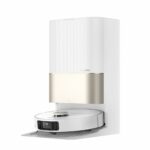
The base stations differ slightly. The Dreame's base measures 456.7 mm deep and 590.5 mm tall, whilst the Xiaomi's is more compact at 420 mm deep and 563 mm tall. Both are 340 mm wide. The Xiaomi's smaller base footprint might matter in tighter utility spaces or compact flats where every centimetre counts.
Real-World Usage Scenarios
For homes with pets, the Xiaomi's TriCut 3.0 brush reduces maintenance hassle, but the Dreame's higher suction and pet recognition offer better hair pickup and smarter navigation around animals. The choice depends on whether you prioritise cleaning power or convenience.
In larger properties, the Dreame's 240-minute runtime becomes essential. The Xiaomi's 120 minutes may require recharging mid-session in sprawling layouts, interrupting the cleaning cycle.
The Xiaomi's hot water mop washing appeals to households concerned about hygiene, particularly in kitchens or homes with young children. The Dreame counters with detergent dispensing, which tackles grease and grime through chemistry rather than temperature.
For those planning long-term integration, the Dreame's optional pipe connection kit offers a path to fully automated water management, though it requires upfront installation and additional cost.
Conclusion: Which to Choose?
Choose the Dreame L10s Ultra Gen 2 if: you have a larger home requiring extended battery life, prefer higher suction power for deep carpet cleaning, want detergent dispensing for enhanced mop cleaning, or plan to eventually integrate pipe connections for hands-free water management. The pet recognition feature also makes this the better option for multi-pet households.
Choose the Xiaomi X20 Max if: you prioritise low-maintenance brush technology to reduce hair tangles, value hot water mop washing for hygiene, need LED lighting for navigation in darker spaces, or prefer a more compact base station. It's also the sensible choice for smaller to medium-sized homes where the 120-minute runtime suffices.
Both represent solid investments in automated floor care. The Dreame leans towards power and capacity, whilst the Xiaomi focuses on maintenance reduction and hygienic mopping. Your home size and cleaning priorities will determine which approach serves you better.