Introduction
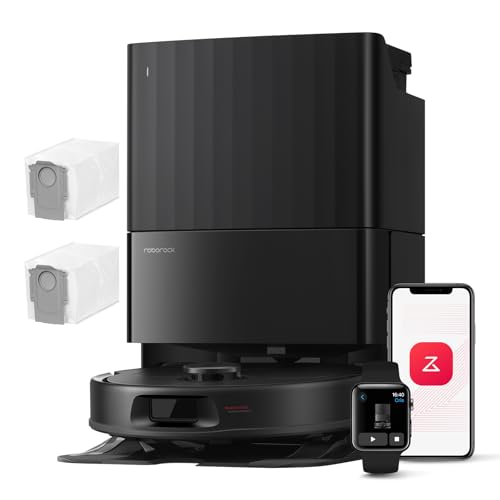
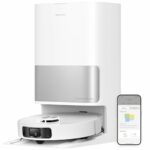
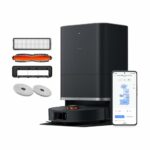
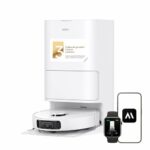
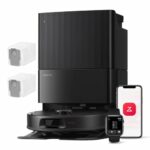
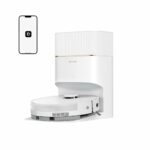
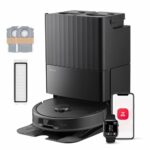
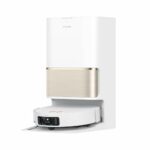
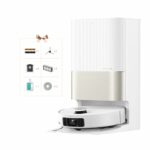
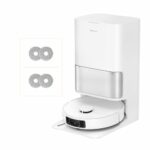
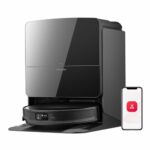
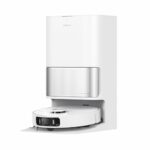
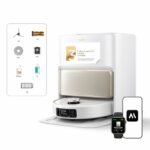
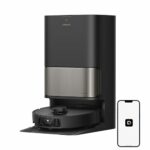
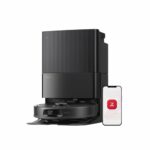
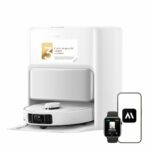
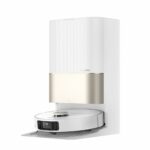
The Dreame L10s Ultra Gen 2 and the Roborock QV 35A represent two distinct approaches to high-end robotic cleaning. Dreame's 2024 offering focuses on raw power and extended runtime, whilst Roborock's 2025 model brings fresh refinements to an already proven formula. Both feature multifunctional bases that handle the complete cleaning cycle—vacuuming, mopping, washing the pads, and drying them afterwards—making them suitable for users who want minimal intervention in their daily cleaning routine.
These aren't entry-level devices. They're designed for medium to large homes where autonomous operation matters, particularly for households juggling work schedules or simply wanting to reclaim time spent on floor maintenance. The Dreame model pushes harder on suction and battery life, whilst Roborock brings its reputation for reliability and software polish to a slightly more compact base design.
Differences at a Glance
- Suction power: 10,000 Pa (Dreame) versus 8,000 Pa (Roborock)
- Battery autonomy: 240 minutes (Dreame) versus 180 minutes (Roborock)
- Mop extension: Dreame includes RoboSwing movement; Roborock does not
- Mop lift height: 10.5 mm (Dreame) versus 10 mm (Roborock)
- Side brush anti-tangle: only on the Roborock QV 35A
- Mop drying: hot air (Dreame) versus cold air (Roborock)
- Detergent tank: included on Dreame; absent on Roborock
- 3D laser sensor: present on Dreame; not on Roborock
- Pet recognition: Dreame offers this; Roborock does not
- Dust bag capacity: 3.2 litres (Dreame) versus 2.7 litres (Roborock)
- Clean water tank: 4.5 litres (Dreame) versus 4 litres (Roborock)
- Dirty water tank: 4 litres (Dreame) versus 3.5 litres (Roborock)
- Plumbing connection kit: available separately for Dreame; not offered for Roborock
- Base dimensions: Dreame taller (590.5 mm), Roborock shallower (487 mm depth)
Power and Vacuuming Performance
Suction strength separates these models noticeably. The Dreame L10s Ultra Gen 2 delivers 10,000 Pa, which gives it an edge when tackling embedded dirt in carpets or fine dust along skirting boards. The Roborock QV 35A sits at 8,000 Pa—still capable, but less forceful when dealing with stubborn debris or high-pile rugs.
Both use a simple main brush design without anti-tangle features, so homes with long hair or shedding pets will need occasional manual cleaning of the roller. Neither model elevates the main brush during mopping, which is typical at this price point.
The side brush setup differs slightly. Roborock equips its model with an anti-tangle side brush, reducing the frequency of hair wrap around the spinning arm. Dreame doesn't include this feature, which could mean more maintenance for pet owners. Neither extends the side brush outward for corner cleaning, and neither lifts it when mopping begins.
Mopping System
Both robots use dual rotating mop pads, spinning to scrub rather than simply dragging across the floor. This method lifts grime more effectively than static cloths.
Dreame adds RoboSwing to the L10s Ultra Gen 2—a lateral movement that nudges the mop slightly under furniture edges and skirting boards. Roborock doesn't incorporate this, so edge coverage relies solely on the robot's proximity to walls.
Mop lift height reaches 10.5 mm on the Dreame and 10 mm on the Roborock. The half-millimetre difference won't matter much in practice, but both clear low-pile rugs and most door thresholds without dragging wet pads across them.
Neither robot removes the mops automatically when switching to vacuum-only mode, nor do they detect dirt levels on the floor or assess mop cleanliness during operation. Both use cold water for floor mopping.
Cleaning Station Capabilities
The multifunctional bases handle emptying, washing, and drying without user input. Dreame dries the mop pads with hot air, which accelerates the process and reduces the chance of musty smells developing overnight. Roborock uses cold air drying, which takes longer and may not eliminate odours as thoroughly in humid climates.
Dreame includes a detergent dispenser in the base, automatically adding cleaning solution during mop washing. Roborock omits this, so users relying on detergent need to add it manually to the clean water tank.
Dust bag capacity favours Dreame at 3.2 litres compared to Roborock's 2.7 litres. That translates to fewer bag changes over the course of several weeks, particularly in homes with multiple occupants or pets.
Water reservoirs also tilt towards Dreame: 4.5 litres of clean water versus 4 litres, and 4 litres of dirty water versus 3.5 litres. Larger tanks mean less frequent refilling and emptying, which matters during extended cleaning sessions in bigger properties.
Dreame offers an optional plumbing connection kit (sold separately) for users who want to eliminate manual water management entirely. Roborock doesn't provide this option.
Neither base includes automatic tray cleaning, UV sterilisation, or integrated plumbing connections as standard.
Navigation and Intelligence
Both models rely on 3D LiDAR towers for mapping and navigation, building accurate floor plans and planning efficient cleaning routes. Obstacle avoidance is present on both, but the implementation differs.
Dreame equips the L10s Ultra Gen 2 with a 3D laser sensor at the front, improving its ability to detect low-lying objects and adjust its path in real time. Roborock doesn't include this sensor, relying instead on the LiDAR and standard proximity detection.
Pet recognition appears only on the Dreame model. This helps the robot identify animals and adjust behaviour—useful for avoiding food bowls or sleeping pets. Roborock lacks this feature.
Neither robot includes a front-facing camera, LED lighting for night vision, or remote camera access. Curtain detection isn't available on either model.
Both offer AI-driven cleaning strategies: Dreame's CleanGenius and Roborock's SmartPlan 1.0 analyse room layouts and adjust cleaning intensity accordingly. Neither detects stains or adapts mopping pressure based on visible dirt.
Battery and Runtime
Battery capacity matches at 5,200 mAh, but runtime differs significantly. The Dreame L10s Ultra Gen 2 runs for 240 minutes on a single charge, whilst the Roborock QV 35A manages 180 minutes. That extra hour makes a tangible difference in larger homes or when cleaning multiple floors without returning to the base.
Neither manufacturer specifies charging time in the available data. Both robots can climb obstacles up to 20 mm, handling most door thresholds and low transitions between flooring types.
Smart Features and Voice Control
Neither model includes a built-in voice assistant, but both integrate with external platforms like Amazon Alexa and Google Home. This allows voice commands for starting, pausing, or sending the robot to specific rooms.
Robotic arms aren't present on either device—those remain exclusive to higher-tier models from other manufacturers.
Dimensions and Practicality
The robots themselves measure almost identically. Dreame's unit stands 97 mm tall with a 350 mm diameter, whilst Roborock measures 96.5 mm tall and 353 mm across. The half-millimetre height advantage on the Roborock might help it squeeze under certain furniture, though the difference is marginal.
Base dimensions matter more for placement. Dreame's station reaches 590.5 mm in height but only 456.7 mm in depth, making it taller but less protruding. Roborock's base sits at 521 mm tall but extends 487 mm deep. Depending on your available space—under a countertop or in a narrow utility area—one footprint may suit better than the other.
Both bases share a 340 mm width.
Real-World Use Scenarios
For larger homes, the Dreame L10s Ultra Gen 2 makes more sense. The extra hour of battery life and larger water tanks reduce interruptions during whole-home cleaning. The higher suction power also benefits properties with thick rugs or multiple floor types.
Pet owners might find the Dreame model more convenient thanks to pet recognition and the detergent dispenser, though the Roborock's anti-tangle side brush offers its own advantage in reducing hair wrap.
Hot air mop drying on the Dreame suits humid environments where mould and odours develop quickly. Cold air drying on the Roborock works fine in drier climates but may require occasional manual intervention to prevent smells.
The RoboSwing feature on Dreame helps in homes with lots of furniture legs or skirting detail, improving edge coverage without manual spot cleaning.
Roborock's reputation for app stability and long-term software support appeals to users prioritising reliability over raw specifications. Dreame offers competitive features at a typically lower price point, though software updates and customer service vary regionally.
Conclusion: Which One to Choose?
Choose the Dreame L10s Ultra Gen 2 if: you have a larger home requiring extended runtime, prefer hot air mop drying to eliminate odours, want the convenience of automatic detergent dispensing, or value the RoboSwing edge-cleaning feature. The higher suction power and larger tank capacities make this model better suited to demanding environments with pets, children, or frequent foot traffic. The optional plumbing kit also future-proofs the setup if you later decide to eliminate water tank maintenance entirely.
Choose the Roborock QV 35A if: you prioritise brand reliability and software polish, have a smaller to medium-sized home where 180 minutes of runtime suffices, or prefer a shallower base footprint that fits better in tight spaces. The anti-tangle side brush reduces maintenance for pet owners, and Roborock's established reputation for consistent app performance and long-term support may outweigh the spec sheet differences for users who value dependability over peak performance.