Introduction
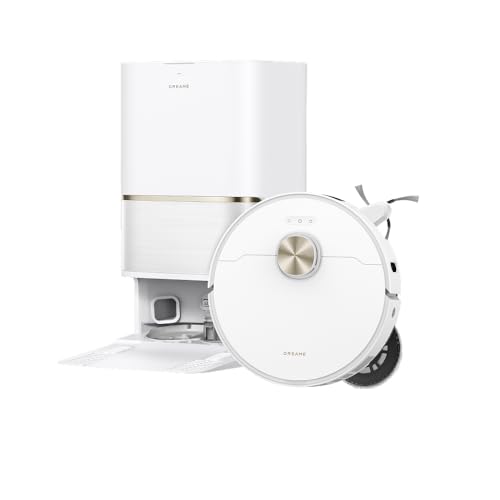
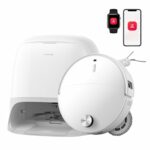
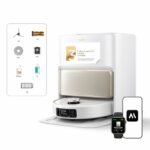
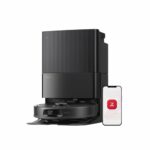
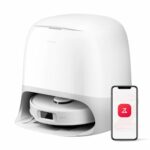
The Dreame L10s Ultra Gen 2 and the Dreame L50 Ultra AE represent two generations of premium robot vacuum cleaners from the same manufacturer. The first launched in 2024, whilst the L50 Ultra AE arrived in March 2026, bringing with it several meaningful upgrades that reflect Dreame's continued refinement of its multifunctional cleaning systems.
Both models feature comprehensive multifunctional bases that handle automatic dust emptying, mop washing with detergent dispensing, and hot air drying. They're designed for users who want a largely hands-off cleaning experience across mixed flooring types. The newer L50 Ultra AE introduces notable improvements in suction power and brushing systems that may appeal particularly to homes with pets or demanding cleaning requirements.
Power and Suction
The most striking technical difference between these models lies in raw suction capability. The L50 Ultra AE generates 28,000 Pa of suction power, nearly tripling the 10,000 Pa output of the L10s Ultra Gen 2. This substantial increase translates to more aggressive debris pickup, particularly beneficial when dealing with ground-in dirt on hard floors or embedded particles in carpet fibres.
The brushing systems differ considerably. The L10s Ultra Gen 2 uses a simpler main brush design, whilst the L50 Ultra AE employs the TriCut 3.0 system. TriCut technology combines bristles with integrated cutting blades that actively slice through tangled hair during operation, reducing the frequency of manual brush maintenance. This becomes especially relevant in homes with long-haired residents or shedding pets.
The L50 Ultra AE can elevate its main brush during mopping runs, preventing the roller from dragging across damp floors and potentially spreading debris. The L10s Ultra Gen 2 lacks this feature, meaning its main brush remains in contact with the floor throughout all cleaning cycles.
Side brush capabilities also diverge. The newer model incorporates both an extendable side brush that reaches further into corners and anti-tangle technology to prevent hair wrap. The L10s Ultra Gen 2 has a standard fixed side brush without these refinements. In practice, the extendable mechanism helps the L50 Ultra AE achieve more thorough edge cleaning along skirting boards and in room corners where debris tends to accumulate.
Mopping
Both robots use dual rotating mops with extension capabilities for improved edge coverage. They each feature Roboswing technology, allowing the robot to manoeuvre mops slightly under furniture edges and protruding obstacles. Mop elevation reaches 10.5 mm on both models, sufficient to lift clear of most low-pile rugs and prevent cross-contamination when transitioning from hard floors to carpeted areas.
The base stations handle mop maintenance differently. The L10s Ultra Gen 2 washes mops with cold water, whilst the L50 Ultra AE uses heated water during the washing cycle. Hot water generally proves more effective at breaking down grease, sticky residues, and dried-on marks that cold water struggles to shift. Both stations dry the mops using hot air, which accelerates drying times and helps prevent bacterial growth and musty odours.
A practical advantage of the L50 Ultra AE: it can automatically detach its mops at the base when you want vacuum-only cleaning. The L10s Ultra Gen 2 requires manual mop removal if you wish to run aspiration sessions without mopping. This automation saves a small but regular bit of effort for users who frequently alternate between cleaning modes.
The L50 Ultra AE includes third-generation automatic tray cleaning, meaning the base station actively cleans its own washing tray to prevent residue buildup. The earlier model lacks this self-maintenance feature, requiring occasional manual cleaning of the washing area to maintain hygiene standards.
Navigation System
Navigation hardware remains largely consistent across both models. Each uses a 360-degree LiDAR turret for room mapping and path planning, supplemented by frontal 3D laser sensors for obstacle detection. This dual-sensor approach enables both robots to build accurate floor plans whilst identifying and avoiding objects in their paths.
Neither model incorporates a front-facing camera, LED lighting for night vision, or remote camera access functionality. The navigation relies purely on laser-based sensing rather than visual AI systems.
An interesting divergence appears in software intelligence. The L10s Ultra Gen 2 includes CleanGenius AI, Dreame's adaptive cleaning intelligence that adjusts cleaning parameters based on detected conditions. The L50 Ultra AE does not feature this AI system, despite being the newer release. The earlier model also offers pet recognition capability, which the L50 Ultra AE lacks. These software differences suggest Dreame may have repositioned certain AI features across different product lines rather than simply carrying everything forward to newer models.
Battery and Autonomy
Both robots house identical 5,200 mAh battery packs. The L10s Ultra Gen 2 provides up to 240 minutes of runtime on a full charge, though specific autonomy figures for the L50 Ultra AE aren't available in the specifications. Given the newer model's significantly higher suction power, it's reasonable to expect somewhat reduced runtime when operating at maximum power settings, though actual performance will vary based on selected cleaning modes and floor types.
Smart Functions
Both robots can climb obstacles up to 20 mm in height, allowing them to traverse typical door thresholds, thick rugs, and minor floor transitions without becoming stuck. Neither model features a robotic arm or proprietary voice assistant, though both integrate with external voice control platforms like Amazon Alexa and Google Home for basic command functions.
Multifunctional Base Station
The base stations share core functionality: automatic dust emptying into 3.2-litre bags, mop washing with detergent dispensing, and hot air mop drying. Water tank capacities match at 4.5 litres for clean water and 4 litres for waste water, providing sufficient capacity for multiple cleaning sessions before requiring refills.
The key distinction lies in the L50 Ultra AE's third-generation automatic tray cleaning system, which maintains the washing area without manual intervention. This reduces the maintenance burden slightly compared to the L10s Ultra Gen 2.
Both models offer optional connection kits for plumbing integration, sold separately. This allows direct water supply and drainage for users who want to eliminate manual tank management entirely, though it requires installation near suitable plumbing access points.
Neither base includes UV disinfection or automatic mop changing capabilities.
Dimensions
The robots measure identically: 350 mm diameter and 97 mm height. This relatively low profile helps both models navigate beneath furniture with standard clearance.
Base station dimensions are virtually identical as well. The L10s Ultra Gen 2 base measures 340 mm wide, 590.5 mm tall, and 456.7 mm deep, whilst the L50 Ultra AE comes in at 340 mm wide, 590 mm tall, and 457 mm deep. These negligible differences won't affect placement options in any meaningful way.
Real-World Use Considerations
For homes with pets, the L50 Ultra AE presents clear advantages. Its substantially higher suction power handles pet hair more aggressively, whilst the TriCut 3.0 brush system and anti-tangle side brush reduce the frustrating maintenance associated with hair wrap. The hot water mop washing also proves more effective at removing paw prints and organic residues. Interestingly, the older L10s Ultra Gen 2 includes pet recognition software that the newer model lacks, though the hardware improvements on the L50 Ultra AE likely outweigh this software feature for most pet owners.
In larger homes, the enhanced suction of the L50 Ultra AE may complete cleaning runs more efficiently, potentially offsetting any reduction in battery runtime from the increased power consumption. The extendable side brush also ensures more thorough coverage along room perimeters, which becomes increasingly important as floor area expands.
The L10s Ultra Gen 2's CleanGenius AI may appeal to users who prefer adaptive cleaning that adjusts automatically to varying floor conditions, though the practical impact of this feature depends heavily on individual home layouts and surface types.
For maintenance-averse users, the L50 Ultra AE's automatic mop removal and self-cleaning wash tray reduce hands-on involvement. The hot water mop washing also maintains better hygiene with less manual intervention.
Conclusion: Which to Choose?
Choose the Dreame L10s Ultra Gen 2 if: you value AI-driven cleaning intelligence and pet recognition features, you're working with a tighter budget, or you prefer a slightly larger onboard dust bin (300 ml versus 250 ml). The 10,000 Pa suction remains adequate for typical household cleaning, particularly on hard floors and low-pile carpets.
Choose the Dreame L50 Ultra AE if: maximum suction power matters for your cleaning needs, you have pets or deal with significant hair and debris, you want the most advanced brush technology with anti-tangle features, hot water mop washing is important for tackling stubborn floor marks, or you prefer the convenience of automatic mop removal and self-cleaning base maintenance. The hardware improvements justify the newer model for demanding cleaning environments and users who prioritise hands-off operation.