Introduction
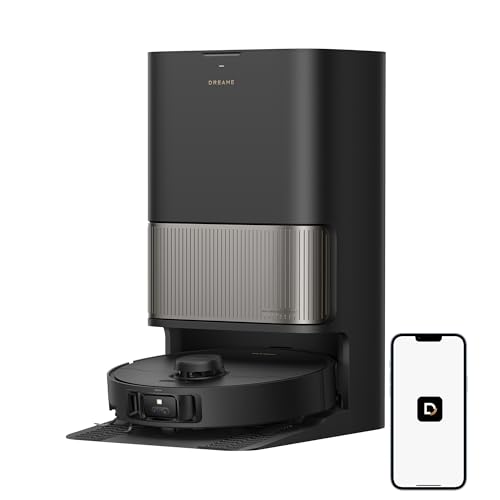
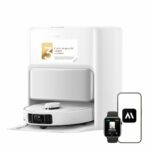
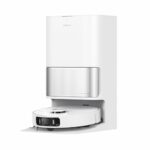
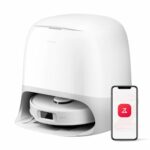
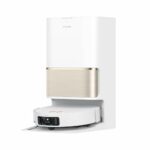
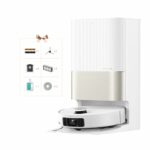
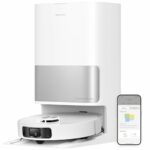
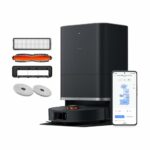
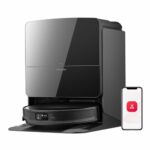
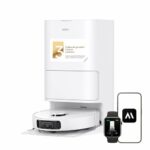
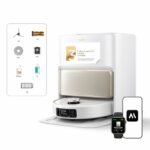
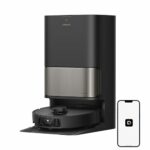
When looking at the latest offerings from Dreame, the L10s Ultra Gen 2 from 2024 and the newer L40s Pro Ultra from 2025 represent two distinct approaches to automated home cleaning. Both feature comprehensive multifunction bases with hot air drying and automatic mop washing, positioning them as serious contenders for anyone seeking a hands-off cleaning solution. The L10s Ultra Gen 2 delivers solid performance with proven technology, whilst the L40s Pro Ultra introduces several refinements that push the boundaries of what these machines can achieve.
These aren't entry-level devices. They're designed for homeowners who want thorough cleaning without constant intervention, particularly those dealing with mixed flooring types and the daily challenge of maintaining spotless floors.
Power and Suction
The difference in raw suction capability is substantial. The L10s Ultra Gen 2 delivers 10,000 Pa, which handles everyday dust, debris and light dirt without difficulty. The L40s Pro Ultra nearly doubles this with 19,000 Pa, making it particularly effective on carpets and for homes where ground-in dirt or pet hair presents a persistent challenge.
Where the brush system is concerned, the contrast becomes even more apparent. The Gen 2 uses a straightforward single brush design that gets the job done reliably. The L40s Pro Ultra employs Dreame's dual HyperStream brush configuration—two brushes anchored at one end that actively prevent hair from tangling around the mechanism. For households with long hair or shedding pets, this design makes a tangible difference in maintenance frequency.
The L40s Pro Ultra takes things further with brush elevation. During mopping, it raises both the main and side brushes to prevent them dragging wet bristles across cleaned floors. The Gen 2 lacks this refinement, meaning its brushes remain in contact with the floor throughout the entire cleaning cycle.
On the side brush front, the L40s Pro Ultra features an extensible design that reaches deeper into corners and along edges, coupled with anti-tangle technology. The Gen 2's side brush is fixed and doesn't include tangle prevention. In practice, this means the newer model requires less manual intervention to keep the side brush functioning optimally.
Mopping
Both machines use dual rotating mopads with extension capabilities. They both incorporate Roboswing technology, allowing the robot to angle slightly and push the mop beneath furniture edges and skirting boards. Mop lift height is identical at 10.5mm, sufficient for transitioning onto most low-pile rugs without leaving damp patches.
The distinction emerges at the base. The L10s Ultra Gen 2 washes mops with cold water, which cleans adequately for routine maintenance. The L40s Pro Ultra uses hot water for mop washing, cutting through grease and stubborn residue more effectively. Both dry mops with hot air, preventing odours and bacterial growth.
A significant advantage of the L40s Pro Ultra is its ability to automatically detach mops at the base when you only need vacuuming. The Gen 2 requires manual removal. The newer model also monitors dirt levels on both the floor and the mops themselves, triggering additional cleaning passes or mop washes when needed. The Gen 2 doesn't include this intelligence, following predetermined cleaning patterns regardless of actual floor condition.
Navigation System
Both models navigate using 3D LiDAR housed in a top-mounted turret, supplemented by frontal 3D laser sensors for obstacle detection. They both recognise pets and adjust behaviour accordingly, avoiding disturbance where possible.
The L40s Pro Ultra distinguishes itself with dual AI cameras that identify up to 180 different obstacle types. The Gen 2 doesn't specify obstacle recognition numbers and lacks AI cameras entirely. This visual intelligence allows the L40s Pro Ultra to detect curtains and adjust its approach to avoid tangling, something the Gen 2 cannot do.
LED night vision on the L40s Pro Ultra ensures reliable navigation in dim conditions. Remote camera access means you can check on your home through the robot's perspective via the app—a feature absent from the Gen 2. Both models integrate CleanGenius AI for adaptive cleaning strategies, and both work with Alexa and Google Home. However, the L40s Pro Ultra adds its own built-in voice assistant for direct interaction without external smart speakers.
Battery and Autonomy
Battery capacity is identical at 5,200 mAh. The L10s Ultra Gen 2 achieves 240 minutes of runtime, whilst the L40s Pro Ultra manages 220 minutes. The slight reduction in the newer model likely stems from its higher suction power and additional sensors drawing more energy. In real-world terms, both provide ample autonomy for large homes, with the Gen 2 offering a marginal edge for exceptionally spacious properties.
Smart Features
The L10s Ultra Gen 2 climbs obstacles up to 20mm high, handling standard door thresholds and minor floor transitions. The L40s Pro Ultra advances this with enhanced step-climbing capability, though specific height isn't detailed—it simply manages more complex obstacles with greater confidence. This becomes relevant in homes with varied flooring levels or thicker threshold strips.
Neither model incorporates a robotic arm, keeping the design focused on core cleaning functions rather than experimental features.
Multifunction Base
Both bases automatically empty the robot's dustbin into 3.2-litre bags, wash and hot-air dry mops, and hold 4.5 litres of clean water alongside 4 litres of dirty water. Both include detergent dispensers and offer optional kits for direct plumbing connection, though these must be purchased separately.
The L40s Pro Ultra introduces a third-generation self-cleaning system for the wash tray itself, reducing the need for manual scrubbing. The Gen 2 requires more frequent attention to keep the base hygienic. Neither offers UV disinfection or automatic mop pad replacement. Base dimensions are identical, so footprint isn't a deciding factor.
Dimensions
The L10s Ultra Gen 2 stands 97mm tall, making it one of the slimmer options for slipping beneath low-clearance furniture. The L40s Pro Ultra measures 103.8mm, slightly taller due to additional sensor hardware. Both share a 350mm diameter. For homes with minimal furniture clearance, those extra millimetres on the L40s Pro Ultra could limit access to certain spaces, though most standard sofas and beds accommodate both comfortably.
Weight isn't specified, and base dimensions are identical at 340mm wide, 590.5mm tall, and 456.7mm deep. You'll need the same amount of floor space for either station.
Real-World Experience
The L10s Ultra Gen 2 suits households seeking reliable automated cleaning without needing the absolute latest technology. Its 10,000 Pa suction handles hard floors and low-pile carpets effectively, and the 240-minute runtime covers large areas. The cold-water mop washing works well for regular maintenance, though kitchens with heavy grease buildup may require occasional manual mopping.
For homes with pets, particularly those with long-haired animals, the L40s Pro Ultra's dual HyperStream brush and anti-tangle side brush reduce the frustration of clearing wrapped hair. The 19,000 Pa suction pulls embedded fur from carpets more thoroughly. Hot water mop washing tackles paw prints and food spills more aggressively, and dirt detection ensures genuinely soiled areas receive extra attention rather than just a cursory pass.
The ability to automatically remove mops at the base means the L40s Pro Ultra transitions seamlessly between vacuuming-only and mopping modes without your involvement. The Gen 2 requires you to manually detach the mops if you only want vacuuming, which interrupts the hands-off convenience these systems promise.
Remote camera access on the L40s Pro Ultra adds a security dimension—checking in on pets or simply verifying the robot hasn't gotten stuck somewhere unusual. The Gen 2 doesn't offer this visibility.
Conclusion: Which to Choose?
Choose the Dreame L10s Ultra Gen 2 if: you want proven multifunction base technology at a lower investment, your home has generous furniture clearance for the slightly shorter profile, and your cleaning needs don't involve heavy pet hair or particularly stubborn floor grime. The 240-minute runtime also benefits exceptionally large properties where every extra minute of autonomy counts.
Choose the Dreame L40s Pro Ultra if: you have pets with shedding coats and need serious tangle prevention, you want hot water mop washing for more effective grease and stain removal, dirt detection matters to ensure truly clean floors rather than just covered ground, or you value the convenience of automatic mop removal and remote camera monitoring. The enhanced obstacle climbing also makes it better suited to homes with complex floor transitions. The 19,000 Pa suction is particularly worthwhile if you have medium or high-pile carpets where the Gen 2's power might fall short.